



There's nothing more disappointing than reaching for a slice of sweet, juicy melon only to find it bland, mushy, and tasting vaguely of last night's leftovers. The culprit isn't just time; it's your storage method. Here’s the science.
The Science of Fading Flavor
Once you slice into
a melon, you expose its flesh to oxygen, triggering a process called oxidation. This is the same reaction that turns a cut apple brown. For melons, oxidation attacks the delicate volatile compounds and sugars that create its signature sweet, floral aroma and taste. The longer the melon is exposed to air, the more these flavor molecules break down, leaving you with a dull, watery-tasting fruit. An airtight seal is your first line of defense, as it dramatically reduces the amount of oxygen that can come into contact with the melon's flesh. By cutting off the air supply, you effectively pause the rapid degradation of its flavor, preserving that just-cut freshness for much longer.
Why Your Whole Fridge Smells Like Melon
Cantaloupe, in particular, is notorious for making everything in the refrigerator smell like, well, cantaloupe. As they ripen and age, melons release a complex bouquet of molecules, including esters that smell sweet and fruity, but also sulfur compounds. When a melon is overripe or begins to spoil, these sulfurous and fermented odors can become overpowering. The real problem begins with the container. Most plastic food containers are porous, meaning they have microscopic holes and channels in their surface. These pores not only absorb the strong melon odors, making the container smell forever of cantaloupe, but they can also allow those smelly molecules to escape and permeate other foods in your fridge. Your block of cheese or bowl of yogurt doesn't stand a chance.
Glass: The Non-Porous Protector
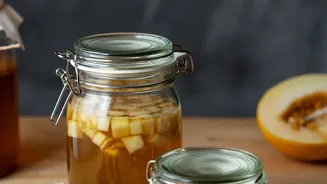
This is where glass containers prove their superiority. Unlike plastic, glass is a non-porous material. It’s a solid, inert surface with no tiny holes for odors to cling to or escape from. When you seal a cut melon in an airtight glass container, you create a true barrier. The strong melon aromas are locked inside, preventing them from transferring to other foods. Likewise, odors from other foods, like garlic or onions, can't get in to spoil your fruit. This non-porous nature also means glass doesn’t stain or hold onto residual flavors after washing, so your container is truly clean for its next use. Plastic, on the other hand, can retain odors and even colors from foods like tomato sauce or turmeric, a sign of its porous structure at work.
The Best Way to Store Your Melon
To get the most out of your melon, the process is simple but crucial. Once you cut the fruit, transfer the slices or cubes into a clean, dry, airtight glass container as soon as possible. The less time it spends exposed to air, the better. Secure the lid tightly to create a seal that minimizes oxygen exposure and traps odors. For best results, try to consume the cut melon within three to five days. While a zip-top bag is better than nothing, a rigid glass container offers a more secure seal and protects the fruit from getting squashed. Some sources even note that a quality glass container can keep melon crisp and flavorful for up to a week. By taking this extra step, you ensure that every bite of melon is as fresh and delicious as the first.