





What Exactly Is NEAT?
NEAT stands for Non-Exercise Activity Thermogenesis. It’s a scientific term for the energy you expend for everything you do that isn't formal exercise, eating, or sleeping. This includes everyday actions like walking to your car, typing, fidgeting, doing
chores, and even maintaining your posture while sitting or standing. While each individual movement is small, their cumulative effect can be significant, potentially accounting for hundreds of extra calories burned each day. For office workers, who often spend the majority of their day seated, consciously increasing NEAT is a powerful strategy to counteract the health risks of a sedentary lifestyle, such as poor circulation and reduced metabolism.
Embrace the Standing Desk
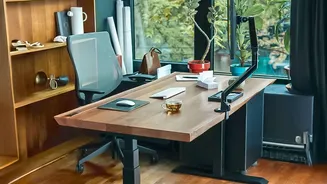
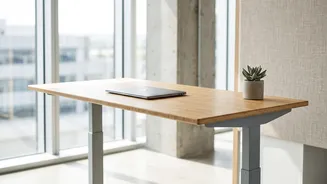
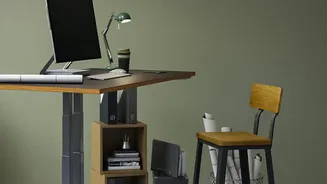
One of the most effective ways to boost your office NEAT is to simply stand more. Investing in a sit-stand capable desk allows you to alternate between sitting and standing throughout the workday. Standing engages more muscles in your legs, core, and back compared to sitting, which increases your energy expenditure. Studies show that standing can burn approximately 20 to 50 more calories per hour than sitting, depending on your body weight. While it may not sound like a huge number, if you stand for four hours during your workday, that could add up to an extra 200 calories burned daily. The key is to start gradually and find a comfortable balance; aim for a mix of sitting and standing, not standing all day.
Turn Phone Calls into Walking Meetings
Modern offices often mean back-to-back calls. Instead of taking them at your desk, turn them into an opportunity for movement. If you don't need to be on video or screen-sharing, use your mobile or a headset and pace around the office, an empty conference room, or even take a walk outside if possible. Walking burns significantly more calories than both sitting and standing. For example, a person who burns 80 calories per hour sitting could burn 210 calories per hour by walking. This simple habit also improves blood flow, can boost creativity, and helps break up long periods of physical inactivity.
Take the Inefficient Route
Efficiency is great for productivity, but not so much for NEAT. Intentionally build inefficiency into your day to increase your step count. Instead of using the restroom or printer closest to your desk, walk to one on a different floor. Always opt for the stairs over the elevator; it's a built-in mini-workout that raises your heart rate and strengthens your lower body. When you go to refill your water bottle—and you should stay hydrated to help manage hunger and fatigue—take a longer loop around the office on your way to the cooler. These small detours add up, contributing to your overall daily activity level without feeling like a chore.
Schedule 'Movement Snacks'
Just as you schedule meetings, block out time for movement. Set a timer on your watch or computer to remind you to get up and move every 30 to 60 minutes. These short breaks, or 'movement snacks', can involve anything from a quick walk down the hall to a few simple stretches at your desk. Try doing some discrete desk exercises like leg raises, shoulder rolls, or seated abdominal twists. Even fidgeting—tapping your feet, using a stress ball, or subtly shifting in your chair—counts as NEAT and helps keep your muscles active. These small bursts of activity prevent your body from becoming too static and can even improve focus and reduce stress.
Optimise Your Workspace for Activity
Beyond a standing desk, you can make other small changes to your immediate environment. Consider swapping your traditional office chair for a stability ball for short periods. Sitting on an unstable surface forces your core muscles to engage to maintain balance, burning a few extra calories. You can also keep small resistance bands at your desk for simple exercises like leg lifts during moments of downtime. By making activity the path of least resistance, you are more likely to incorporate these healthy habits into your daily routine without much conscious effort.