


1. Poha
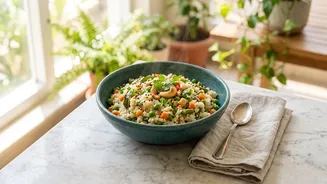
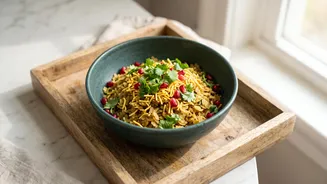
A beloved breakfast across western and central India, poha is made from flattened rice. It's incredibly light on the stomach yet provides a substantial amount of energy. The primary ingredient, flattened rice, is a great source of complex carbohydrates,
which digest slowly to provide a steady release of energy. This prevents the sudden sugar spikes and crashes associated with refined carbs. Poha is also rich in iron, and adding a squeeze of lemon juice helps your body absorb this essential mineral more effectively. It's also easy to digest, making it gentle on your system first thing in the morning. You can make it even more nutritious by adding vegetables like peas and onions, or boost its protein content with peanuts or sprouts.
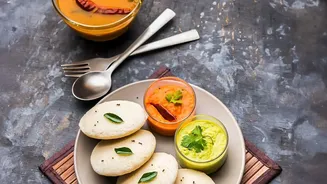
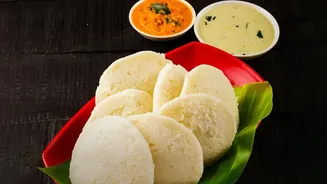
2. Idli
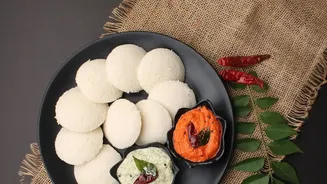
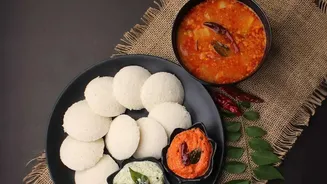
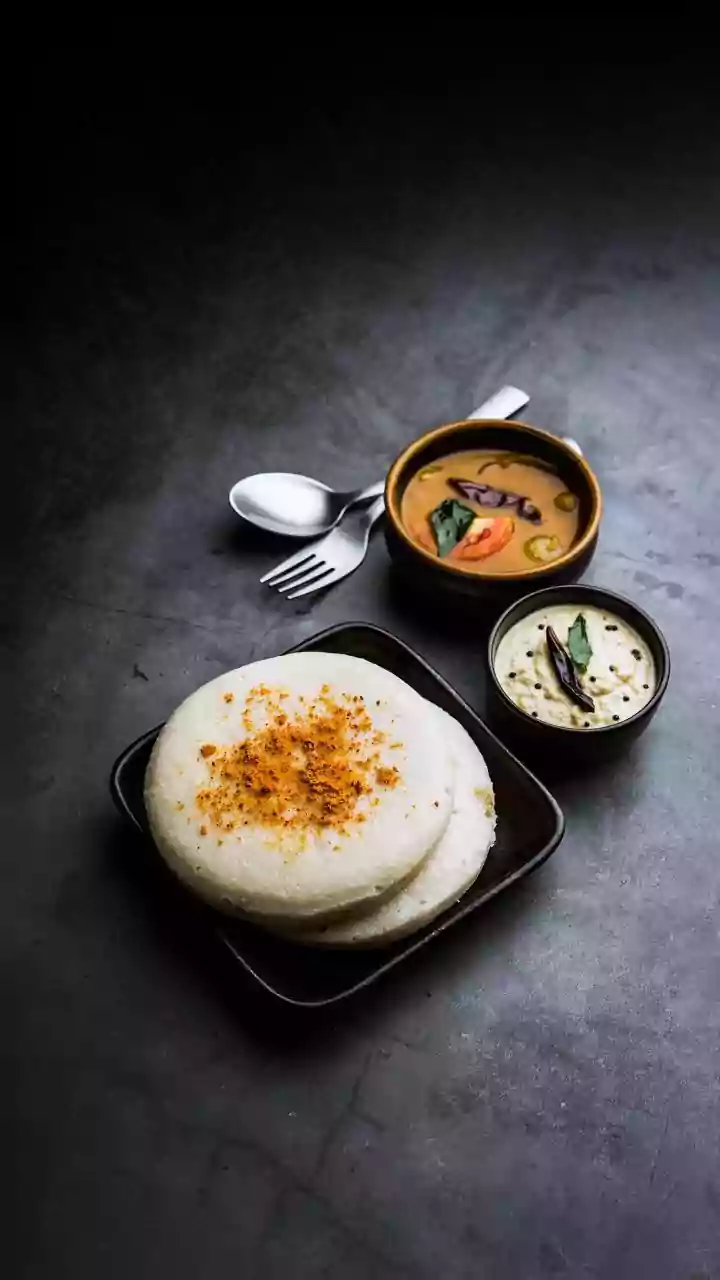
This soft, fluffy, steamed rice cake is a South Indian staple and one of the healthiest breakfast options you can find. Idlis are made from a fermented batter of rice and urad dal (black lentils). The fermentation process not only makes them easy to digest but also increases the bioavailability of nutrients like B vitamins. The combination of rice and dal provides both carbohydrates for energy and a good amount of protein, making it a balanced meal. Since they are steamed and not fried, idlis are naturally low in fat and calories, with a single idli containing roughly 35 to 50 calories. The complex carbohydrates offer sustained energy, making it an excellent way to start your day without feeling heavy or sluggish.
3. Upma
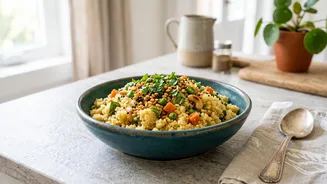
Upma is a thick, porridge-like dish made from dry-roasted semolina (rava or suji). Semolina is derived from wheat and is a good source of complex carbohydrates, providing lasting energy to get you through the morning. A standard serving of rava upma contains around 38 grams of carbohydrates. The dish is also rich in fibre, which promotes a feeling of fullness and aids in slow digestion. Its versatility is a major plus; you can easily enhance its nutritional profile by adding a variety of vegetables like carrots, beans, and peas. This not only adds vitamins and minerals but also increases the fibre content. For an even healthier twist, you can prepare upma using millets like ragi or other whole grains such as oats or dalia (broken wheat).
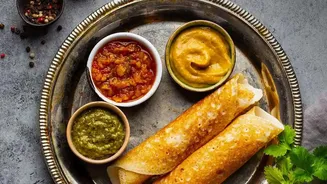
4. Multigrain Dosa
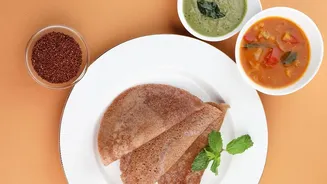
While the classic dosa is delicious, a multigrain version takes the nutritional value up a notch. By incorporating millets like ragi (finger millet) and jowar (sorghum) alongside rice and lentils, you create a breakfast that is dense in nutrients. These whole grains are packed with complex carbohydrates and dietary fibre. This combination ensures a slow and steady release of energy, preventing mid-morning slumps. The blend of various grains and lentils also creates a complete protein profile, supporting muscle maintenance. Furthermore, the high fibre content aids digestion and promotes satiety, helping you feel full and satisfied for longer periods. Served with sambar and chutney, it becomes a well-rounded and flavourful meal.
5. Ragi Porridge
Ragi, also known as finger millet, is a nutritional powerhouse that has been a part of traditional Indian diets for centuries. A porridge made from ragi flour is an excellent way to start your day. Ragi is rich in complex carbohydrates and dietary fibre, which helps in slowing down digestion and providing sustained energy. It has a low glycaemic index, which aids in regulating blood sugar levels. Beyond carbs, ragi is one of the best plant_based sources of calcium, crucial for bone health. It is also packed with iron and other essential minerals. This humble millet is naturally gluten_free and easy to digest, making ragi porridge a comforting and highly nutritious breakfast for all ages.