








The Science of Sticky Skin
High humidity, prevalent across much of India especially during monsoon and in coastal cities, creates a challenging environment for the skin. [20, 14] When there's a lot of moisture in the air, sweat doesn't evaporate as quickly. [10] This process traps
a mixture of sweat, oil (sebum), and environmental pollutants on the skin's surface. [6, 9] The result is a cascade of issues: pores become clogged, leading to blackheads and acne breakouts, and the skin can feel perpetually greasy and look overly shiny. [10, 11] Research confirms that sebum production actually increases in humid conditions, compounding the problem. [14] This explains why so many people report a surge in oiliness and pimples during India's wetter months. [3]
The End of Heavy Creams
For years, many popular skincare routines were based on products developed for colder, drier Western climates. [21] Thick, rich, and occlusive creams were often seen as the gold standard for moisturisation. However, in a humid context, these heavy formulas can feel suffocating. [13] They often sit on top of the skin, contributing to that sticky, greasy feeling and exacerbating pore congestion. [19] Indian consumers are now consciously moving away from these products, realizing they work against the climate rather than with it. [19] The consensus is clear: what works in a dry winter is often a recipe for discomfort and breakouts in a humid summer or monsoon. [12]
The Rise of Lightweight Layers
The new Indian skincare shelf is defined by its textures: lightweight, fast-absorbing, and comfortable. Gel and water-based moisturisers are now stars of the show. [4, 6] These formulations provide necessary hydration without leaving a greasy film, a crucial factor in preventing breakouts. [13] The myth that oily or acne-prone skin doesn't need a moisturiser, especially in humid weather, is being debunked. [3] Dermatologists stress that skipping this step can cause the skin to produce even more oil to compensate for dehydration. [3, 14] The key is choosing the right kind of hydration. Products labeled "oil-free" and "non-comedogenic" (formulated not to clog pores) are becoming staples. [14]
Hero Ingredients for Humid Weather
Alongside new textures, specific ingredients have become heroes of the humid-weather routine. Hyaluronic Acid is a powerful humectant, meaning it draws moisture into the skin. [5] In a humid environment, it can pull this moisture from the air, providing plumpness and hydration without weight. [4] Niacinamide (a form of Vitamin B3) is another MVP, celebrated for its ability to regulate oil production, minimize the appearance of pores, and strengthen the skin's barrier. [6, 4, 20] Ingredients like salicylic acid are also used for gentle exfoliation to keep pores clear, while antioxidants like Vitamin C help protect skin from pollution, a major concern in urban areas. [14, 4]
The New Essentials
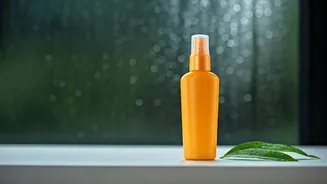
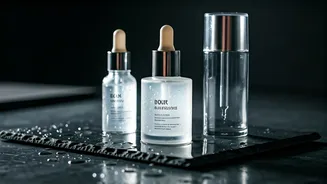
The modern Indian skincare routine is becoming more intentional and climate-appropriate. It starts with a gentle, non-stripping cleanser used twice daily to remove the build-up of sweat and oil without disrupting the skin's protective barrier. [3, 20] This is often followed by a lightweight serum containing active ingredients like niacinamide or hyaluronic acid. [4] The next step is a gel-based moisturiser to lock in hydration. [3] Finally, and most critically, comes sunscreen. Dermatologists emphasize that UV rays penetrate through clouds, making a broad-spectrum sunscreen of SPF 30 or higher a non-negotiable step every single day, regardless of the weather. [3, 22] For humid conditions, lightweight or matte-finish sunscreens are preferred. [3]