
The Ancient Blueprint from Wolves
To understand a dog's social instincts, we first have to look back thousands of years to their ancestors: wolves. The journey from wolf to dog was a masterclass in self-domestication. It wasn't that humans captured and tamed wolves; rather, the friendlier,
less fearful wolves that lingered near human settlements got better access to food scraps. Over generations, this created a natural selection for sociability. These 'proto-dogs' developed genetic changes that made them more tolerant of humans and less aggressive. This ancient programming is why, unlike wolves, dogs are born with a remarkable ability to read human gestures and an innate desire to form bonds with us. This genetic foundation is the 'species history' part of the equation, giving every dog a head start in becoming man's best friend.
The Influence of Breed
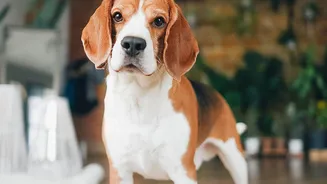
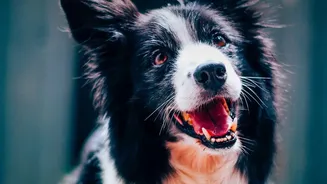
Following domestication, humans began to actively shape dogs for specific roles. This selective breeding is why we have such a vast array of breeds today, and it’s a crucial layer of their genetic social programming. A Border Collie's intense focus on its handler stems from generations of being bred to herd sheep, requiring close cooperation. In contrast, a Beagle was bred to follow its nose independently on a hunt, which can sometimes make it seem less focused on human cues. Studies confirm that breed is a significant factor influencing personality traits like trainability, aggression, and sociability. While every dog is an individual, knowing that a Terrier was bred for feisty pest control or a Golden Retriever for cooperative retrieval helps explain their baseline behavioural tendencies.
The Critical Window of Experience
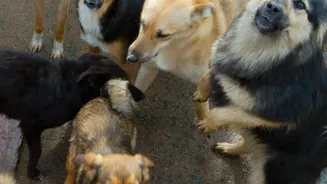
Genetics provides the blueprint, but it doesn't build the house alone. A dog's 'lived experience' is just as, if not more, critical, and it starts early. There is a crucial socialization period for puppies, generally between 3 and 16 weeks of age. During this short window, a puppy's brain is incredibly receptive to new experiences, and the impressions formed can last a lifetime. Positive encounters with different types of people, vaccinated dogs, new sounds, and various environments teach a puppy that the world is a safe and interesting place. A puppy that is isolated during this period is more likely to grow into a fearful or anxious adult, as they haven't built the foundation of confidence. This is why experts stress that early socialization is arguably the most important thing a new owner can do for their pet.
Learning Is a Lifelong Journey
While the early weeks are vital, a dog’s social education doesn't stop there. Their environment and training continue to shape their behaviour throughout their lives. This is the 'nurture' part of the equation. Consistent, positive reinforcement training helps a dog understand rules and strengthens the bond with its owner. The owner's own personality can also have an effect; studies have shown that dogs with calm, confident owners can often mirror that behaviour. Conversely, a lack of consistent rules, or negative experiences like being overwhelmed at a dog park or having forced interactions, can create anxiety or aggression even in a well-bred, previously social dog. A dog’s social skills are not static; they are constantly being refined by their daily interactions and the world their owner helps them navigate.