
What is 'Modern Ethnic' Anyway?
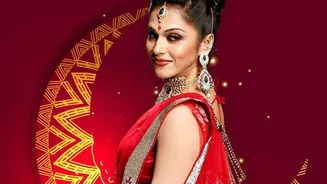
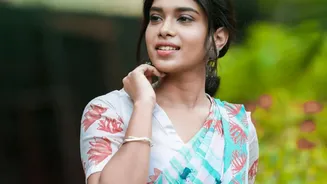
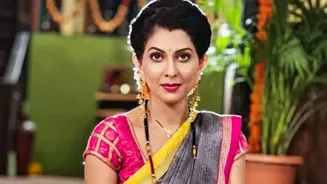
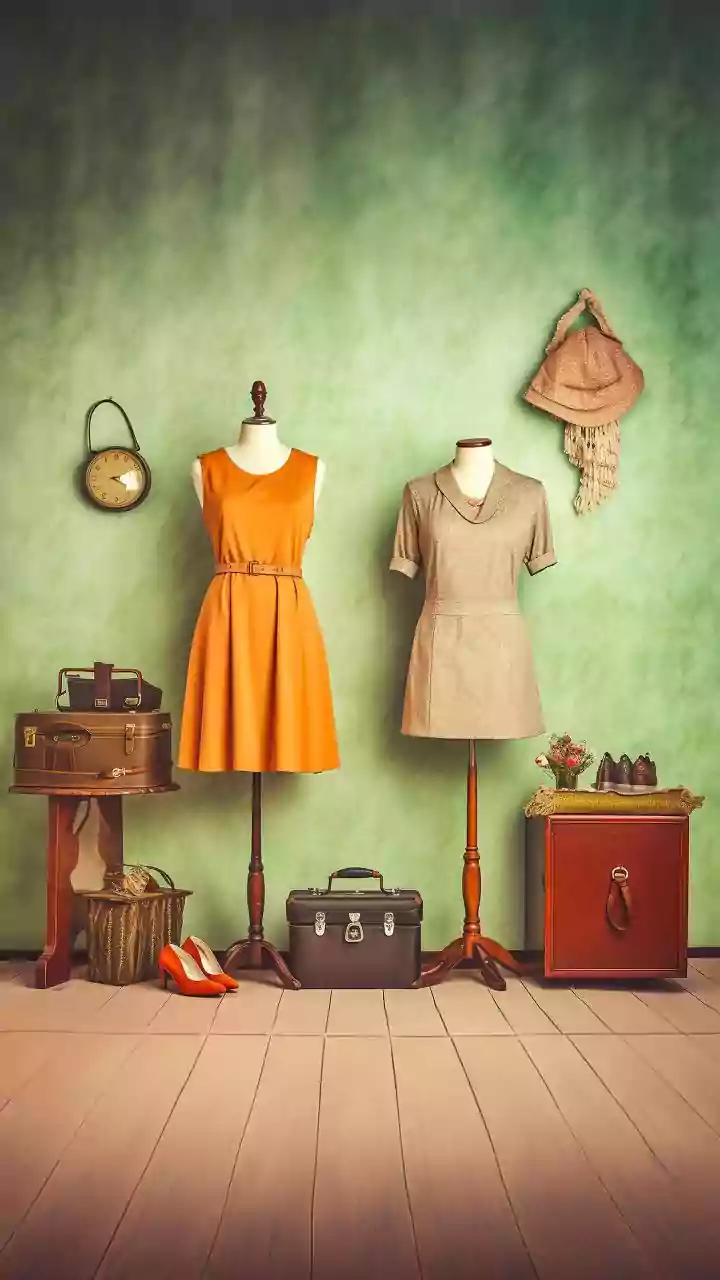
Forget the heavy, restrictive outfits of the past. For Navratri 2026, the youth are embracing a style that is equal parts tradition and trend. Think Indo-Western silhouettes that prioritise comfort and movement without sacrificing festive flair. We're
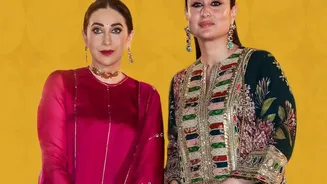
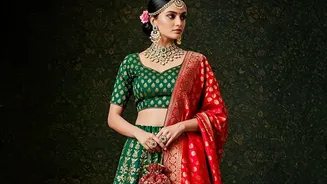
seeing a surge in palazzo sets with crop tops, lightweight lehengas with minimalist embroidery, and pre-draped sarees in fabrics like organza and georgette that are perfect for a night of Garba. It’s a look that feels both rooted and refreshingly current. Traditional craft techniques like mirror work, bandhani, and gamthi embroidery are being applied to contemporary cuts. This fusion results in pieces like jacket lehengas, where a structured jacket replaces the dupatta, and dhoti-pant sets paired with chic tops. The classic chaniya choli is also getting a modern update with corset-style blouses and lighter fabrics, making them easier to dance in.
The Instagram Effect: From Scroll to Style
A significant driver of this trend is social media. Platforms like Instagram have become the new style bibles for Gen Z, where trends are born and spread in real-time. Influencers and peers showcasing their Navratri looks online provide endless inspiration, making fashion more accessible and personal. This digital-first approach means young shoppers are looking for outfits that are not only photogenic but also authentic. They are drawn to unique, personalised looks rather than mass-produced styles, often mixing and matching pieces to create something that reflects their personality. A survey noted that social media and influencer recommendations are a major purchase influence for 48% of festive shoppers, highlighting the power of online validation in shaping festive wardrobes.
Comfort and Conscience Take Centre Stage
Today's youth demand more from their clothes. Comfort is no longer a luxury but a necessity, especially for a high-energy festival like Navratri. Designers are responding with lightweight fabrics, relaxed silhouettes, and practical details like pockets in lehengas. There’s a clear preference for outfits that allow for easy movement and can be worn for hours without feeling cumbersome. Beyond comfort, there is a growing consciousness around sustainability. Young consumers are increasingly interested in the story behind their clothes, leading to a revival of handloom fabrics, organic cotton, and ethically produced garments. This trend towards mindful consumption means investing in versatile pieces that can be worn beyond the nine nights of Navratri, breaking the cycle of single-use festive wear. A simple white kurta, for instance, can be styled with different colourful dupattas for multiple occasions.
Remixing Tradition for a New Generation
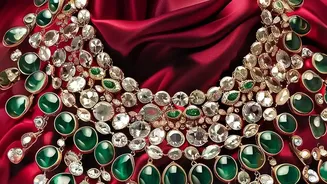
This shift in Navratri fashion is more than just a passing trend; it reflects a deeper cultural change. Young Indians are finding new ways to connect with their heritage, on their own terms. They are not abandoning tradition but reinterpreting it to fit their modern lives. The fusion looks seen on Garba grounds—from sharara sets to cape-style dupattas and layered Anarkalis—are a testament to this creative re-engagement. They blend the richness of Indian craftsmanship with the practicality of Western silhouettes, creating a style that is both respectful of the past and excited about the future. The colours remain festive, with jewel tones like emerald, sapphire, and deep wine gaining popularity alongside the traditional Navratri palette. Ultimately, the goal is to create an outfit that feels personal, celebratory, and unapologetically itself.