








The Official Weather Warning
The India Meteorological Department (IMD) has issued alerts for heavy to extremely heavy rainfall across several northeastern states for June 28 and 29. [14, 5] An orange alert is in place for Assam, Meghalaya, Arunachal Pradesh, Nagaland, Manipur, Mizoram,
and Tripura. [12] These warnings indicate that intense spells of rain are highly likely, which could lead to significant waterlogging, flash floods, and landslides in vulnerable areas. [6] According to an IMD press release, Assam and Meghalaya are expected to see heavy to very heavy rainfall on June 28, with similar conditions forecast for Arunachal Pradesh between June 27 and 29. [10] This intense weather is part of the advancing southwest monsoon, which has already brought substantial rainfall to the region in the preceding days. [12]
Who Is Most at Risk?
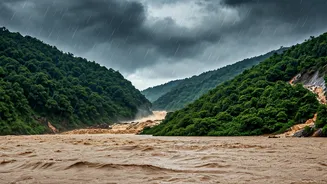
Residents in both hilly terrain and low-lying river plains face significant risks. The IMD has specifically cautioned that the hilly areas of Arunachal Pradesh, Nagaland, and Meghalaya are susceptible to landslides triggered by saturated soil and intense downpours. [6] States like Assam are on high alert for flooding, especially in districts downstream of rivers originating in Arunachal Pradesh. [24, 21] A recent cloudburst-like event in Arunachal's Keyi Panyor district has already caused flash floods, with the resulting surge of water now moving downstream into Assam's Brahmaputra basin. [19] Districts such as Dhemaji, Lakhimpur, Biswanath, and Sonitpur are expected to be the first impacted in Assam, with the flood wave potentially traveling further downstream over the next two days. [25, 24]
Potential for Widespread Disruption
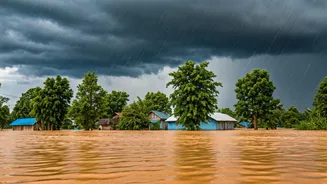
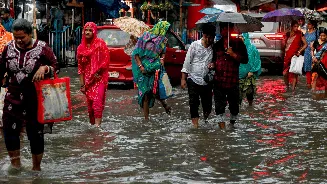
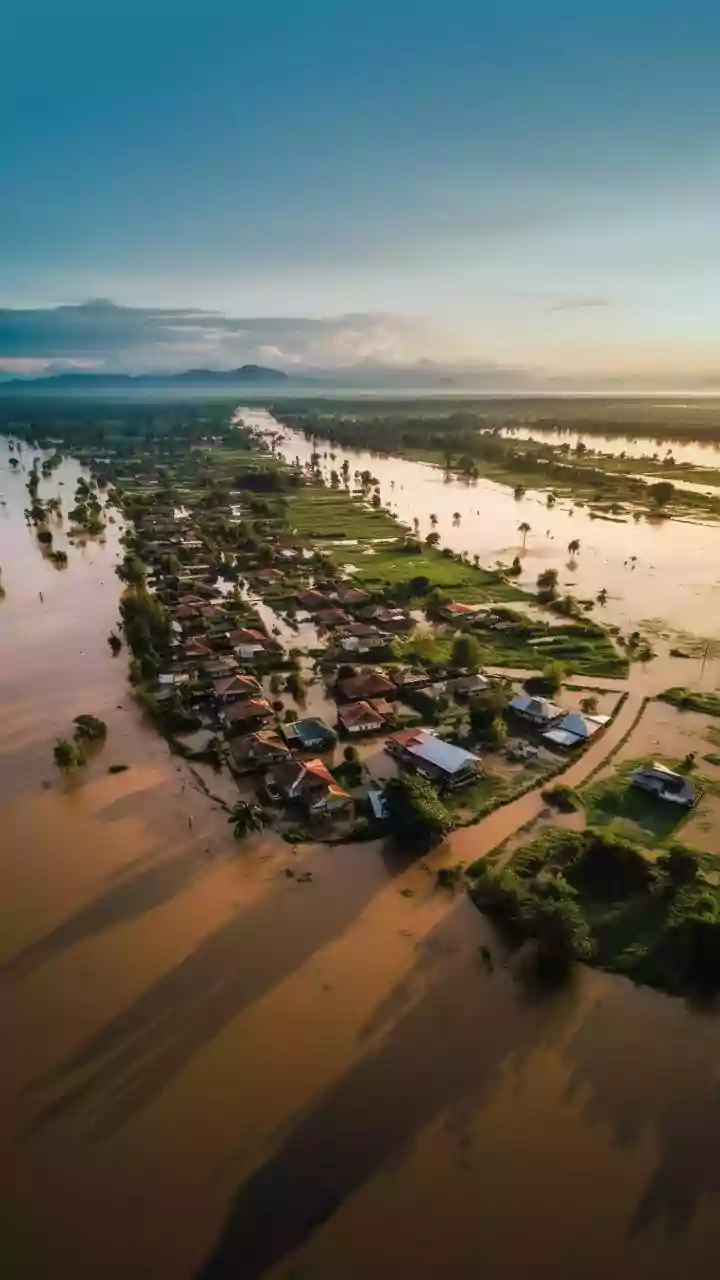
The headline's mention of "destruction" refers to the potential for significant damage to infrastructure and property. Authorities have warned that the expected rainfall could disrupt road and rail traffic, cause localized flooding, and inundate homes and agricultural land. [6] Recent heavy rains have already damaged national highways in Meghalaya and triggered landslides in Sikkim, cutting off entire districts. [9, 21] In Assam, thousands of people across several districts are already affected by the initial wave of floods, with standing crops on thousands of hectares damaged. [21, 23] The release of excess water from hydropower projects, a necessary measure to prevent dam failure during extreme inflows, can also exacerbate downstream flooding. [24] Residents are being warned to prepare for possible power outages and disruptions to essential services.
How to Stay Safe
Authorities have issued clear advisories for residents in the affected regions. The primary advice is to avoid unnecessary travel and stay away from vulnerable structures and low-lying areas prone to waterlogging. [15, 6] It is crucial to monitor official updates from the IMD and local disaster management agencies. For those in landslide-prone zones, it is vital to be vigilant and ready to evacuate if warnings are issued. The IMD advises people to stay indoors, close windows, and unplug electrical appliances during thunderstorms. [18] Preparing an emergency kit with essentials like food, water, a first-aid kit, and a torch is also highly recommended. If you are in an area where flood warnings have been issued, be prepared to move to a higher-altitude shelter.
Official Preparedness Measures
State and national disaster response agencies are on high alert. In anticipation of the monsoon, joint preparedness exercises were conducted by the National Disaster Response Force (NDRF), the Indian Army, and state agencies across the Northeast. [8, 13] These drills simulated flood rescue operations, evacuation procedures, and the setting up of relief camps. [13] Following the recent flash floods in Arunachal Pradesh, the IAF has already been deployed to airlift NDRF teams and relief materials to affected areas. [26] State Disaster Response Force (SDRF) and NDRF teams have been placed on standby for immediate deployment if the situation escalates. [24] Assam's Chief Minister has directed all district administrations to maintain close vigilance and ensure timely preventive and response measures are taken. [21]