







The Old School of Scolding
Remember the dietary advice of the past? It often came with a wagging finger. Lists of forbidden foods were long and intimidating: no ghee, no red meat, ditch the salt shaker, and treat every samosa like a mortal enemy. This approach, rooted in a 'good
food vs. bad food' mentality, was designed to scare us into compliance. The problem? It rarely worked long-term. For many, it created a cycle of guilt, deprivation, and eventual rebellion. When you feel like you're failing every time you enjoy a meal, it’s easy to give up entirely. This black-and-white thinking ignored culinary cultures, personal preferences, and the simple joy of eating, making 'healthy eating' feel like a punishment rather than a form of self-care.
Why the Tone Is Changing
Nutrition science and psychology have evolved. Experts now recognise that sustainable habits are built on positive reinforcement, not fear. The all-or-nothing approach often leads to disordered eating patterns and a fraught relationship with food. Health bodies like the American Heart Association are now placing more emphasis on overall dietary patterns rather than fixating on single nutrients or demonising specific foods. The new understanding is simple: what you eat consistently over time matters more than a single 'unhealthy' meal. The goal has shifted from unattainable perfection to consistent, mindful progress. This less preachy approach acknowledges that we are human, and that a healthy lifestyle must be flexible enough to include celebrations, traditions, and the occasional indulgence without inducing a spiral of guilt.
Focus on Patterns, Not Perfection
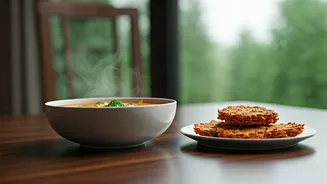
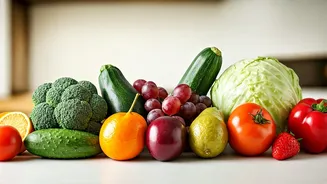
Instead of a list of rules, the new approach champions dietary 'patterns'. Think of it as a flexible template rather than a rigid blueprint. Two of the most celebrated patterns are the DASH (Dietary Approaches to Stop Hypertension) diet and the Mediterranean diet. Neither comes with a long list of forbidden foods. Instead, they emphasise what to include: a variety of fruits and vegetables, whole grains, lean proteins (like fish and legumes), and healthy fats (like those in nuts and olive or mustard oil). In an Indian context, this translates beautifully. It's not about banning dal makhani forever; it's about making dals, sabzis, and whole-grain rotis the foundation of your diet. This pattern-based thinking empowers you to build a healthy plate that you actually enjoy, using ingredients you know and love.
The 'Add-In' Philosophy
One of the most powerful shifts is moving from a mindset of subtraction to one of addition. Instead of obsessing over what to cut out, the question becomes: what can I add in? This simple reframe makes healthy eating feel abundant and creative, not restrictive. For instance, instead of thinking 'I can't have that fried snack,' try thinking, 'How can I add more fibre to my snack?' This might lead you to a bowl of spiced chickpeas or a handful of almonds. Instead of 'no more white rice,' maybe it’s 'let me add a big serving of vegetable sabzi and a bowl of salad alongside my rice.' This 'add-in' method naturally crowds out less-nutritious options without making them feel forbidden. You add colour with different vegetables, fibre with whole grains and lentils, and flavour with herbs and spices instead of just salt.
Small Swaps, Big Impact
This modern, gentle approach is all about making small, sustainable swaps that don't feel like a sacrifice. It’s about evolution, not revolution. Cooking your everyday sabzi in a heart-healthy oil like mustard or groundnut oil instead of reused or hydrogenated fats is a simple change. Swapping a sugary, milky chai for one with less sugar, or trying green tea, is another. Choosing whole-wheat roti or brown rice over their refined counterparts more often than not makes a significant difference to your fibre intake. Snacking on roasted makhana, nuts, or a piece of fruit instead of packaged biscuits is an easy win. None of these changes requires you to overhaul your entire kitchen or abandon your favourite dishes. They are small, consistent steps that add up to significant long-term benefits for your heart, without the mental burden of a strict 'diet'.