

The Simple Magic of One-Pot Cooking
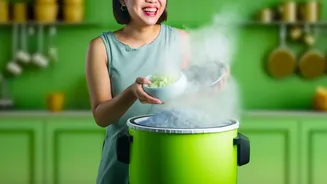
The beauty of a one-pot meal lies in its elegant simplicity. By containing the entire cooking process to a single vessel, whether it's a trusty pressure cooker or a deep kadhai, you drastically cut down on cleanup time. This method saves more than just
effort; it saves precious minutes on busy weeknights. Beyond convenience, one-pot cooking often leads to more flavourful dishes. As ingredients simmer together, their tastes meld and deepen, creating a cohesive and satisfying meal. This process also has a nutritional advantage: water-soluble vitamins and minerals that might be discarded with cooking water in other methods are retained in the final dish, absorbed by the grains and vegetables. It's an efficient, economical, and incredibly effective way to get a wholesome dinner on the table.
The Ultimate Comfort Food: Khichdi
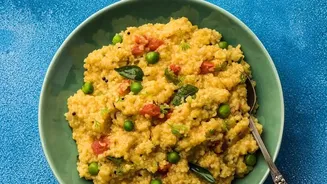
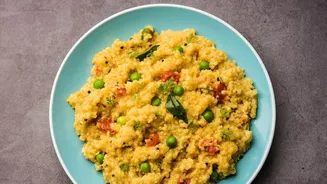
At the heart of Indian one-pot cooking is khichdi, a dish celebrated for generations as both comfort food and a nutritional powerhouse. Often dismissed as simple sick-day fare, khichdi is, in fact, a complete meal. The combination of rice (a carbohydrate) and lentils (dal) creates a complete protein, providing all the essential amino acids your body needs, similar to meat. This makes it an excellent choice for vegetarians and anyone seeking balanced nutrition. Its versatility is its other superpower. While a basic moong dal khichdi is light and easy to digest, you can elevate it by adding a variety of vegetables like carrots, peas, and beans, boosting its fibre and vitamin content. A final tempering (tadka) of ghee and spices like cumin and asafoetida transforms it into a truly aromatic and satisfying dish.
Beyond Khichdi: Sabzis and Dals
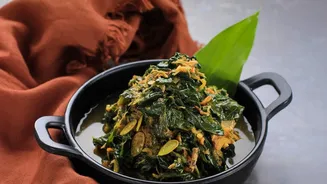
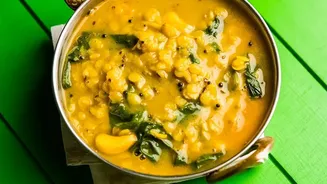
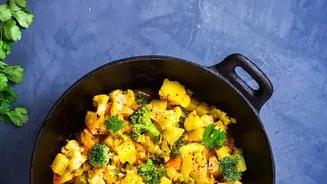
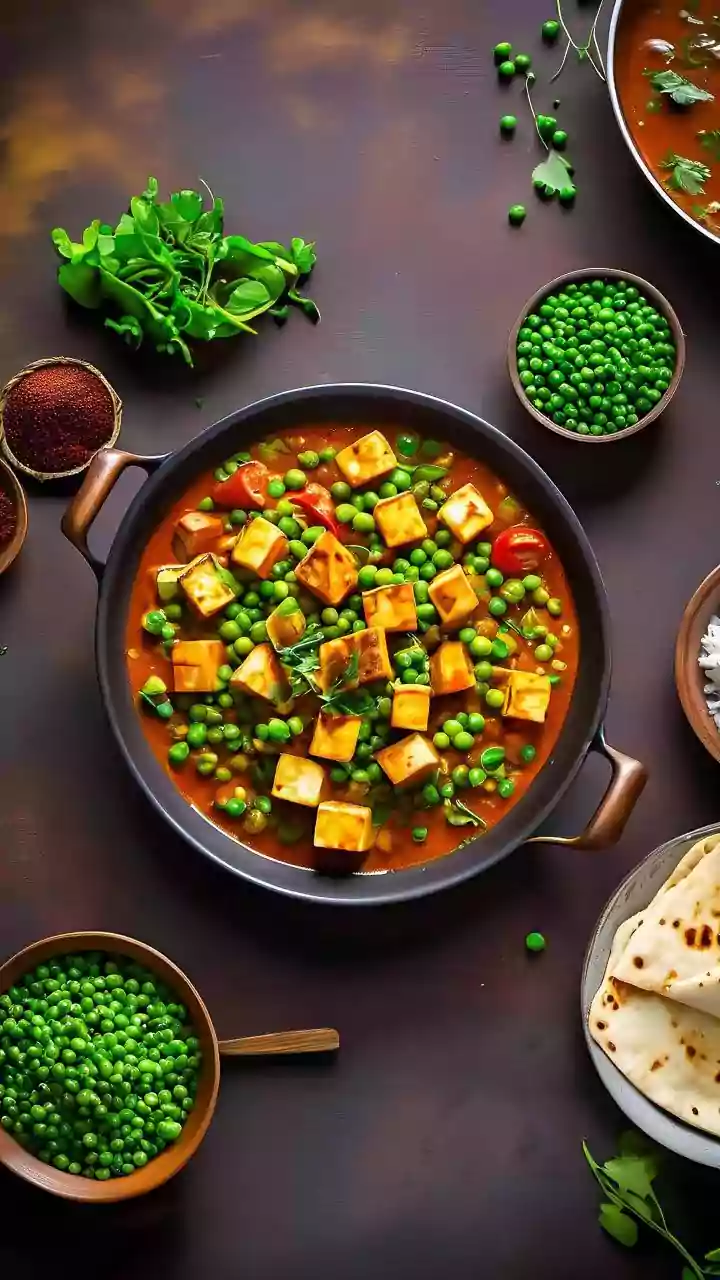
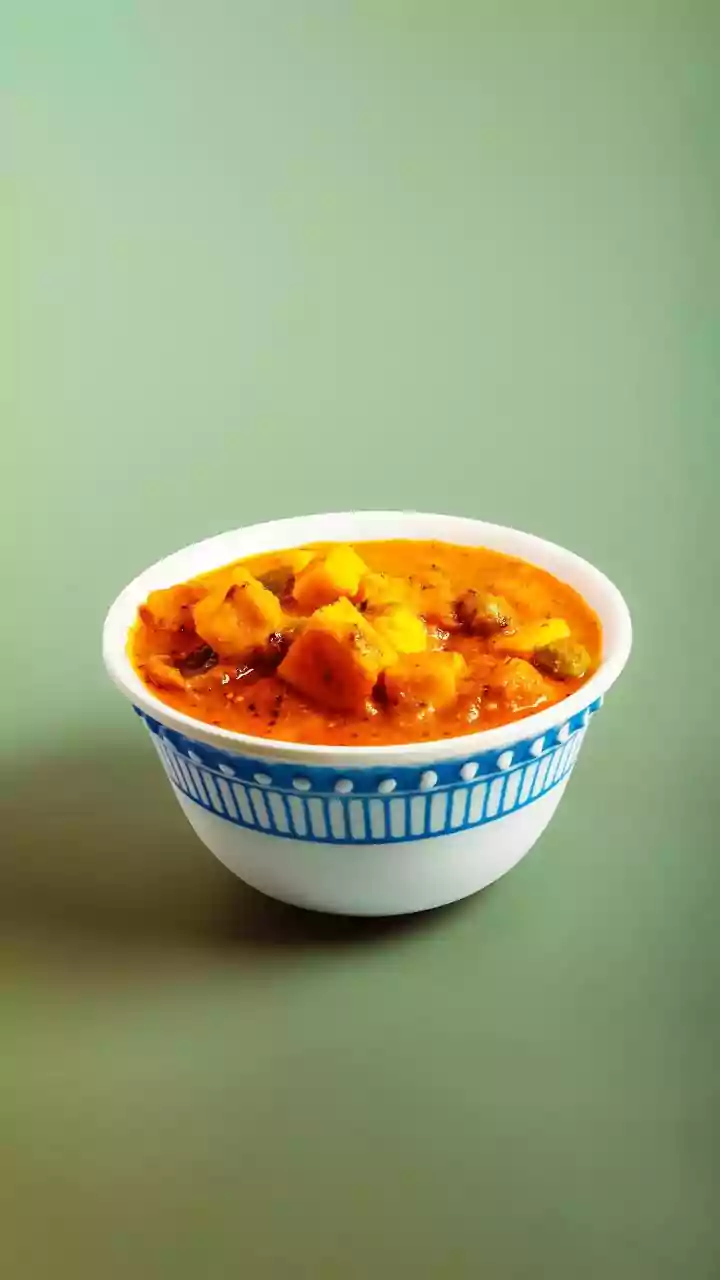
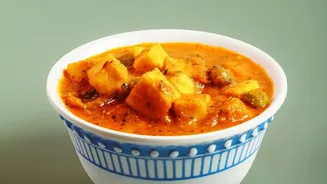
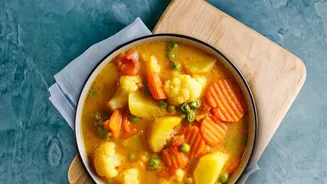
The one-pot philosophy extends far beyond khichdi. Many everyday Indian vegetable dishes, or sabzis, can be adapted for this simpler cooking style, especially with the help of a pressure cooker or Instant Pot. Imagine making Aloo Gobi or Lauki Curry without juggling multiple pans. The process is straightforward: sauté onions, ginger, garlic, and tomatoes with your spices in the pot, then add the vegetables and a little water, and cook under pressure for a few minutes. The result is a perfectly cooked sabzi that’s ready in a fraction of the time. Even dals can be streamlined. Instead of boiling the dal separately, you can create the tadka in the pressure cooker first, add the washed lentils and water, and cook it all together for a flavourful and fast dal fry.
Flavourful Rice Dishes Made Simple
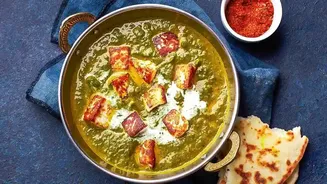
Complex rice dishes like pulao and even biryani can be simplified into hearty one-pot meals. A vegetable pulao is a perfect example of a balanced meal in a single pot. Fragrant basmati rice, an assortment of colourful vegetables, and aromatic whole spices like cardamom and cinnamon all cook together, creating a dish that’s both visually appealing and delicious. The key is to sauté the spices and vegetables first to build a strong flavour base before adding the rice and water. For a quick 'tava' or 'pressure cooker' biryani, you can layer partially cooked rice with a quick vegetable or paneer masala in the same pot, allowing the steam to finish the cooking process and infuse the rice with flavour. These dishes prove that you don't need a complex process to achieve a spectacular result.