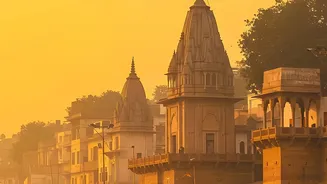




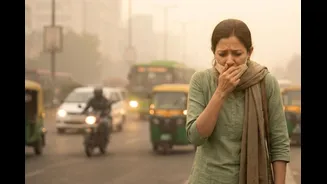


For millions living in India’s bustling cities, the definition of a perfect holiday is changing. It's no longer just about sightseeing or luxury, but something more fundamental: breathing clean, fresh air. Welcome to the era of the 'urban recovery' holiday.
The New Must-Have Amenity
Forget infinity pools and Michelin-starred restaurants; the latest status symbol in travel is a low Air Quality Index (AQI). A growing number of urban travellers from cities like Delhi, Mumbai, and Bengaluru are planning 'escape holidays' specifically to flee choking pollution. Travel platforms report significant spikes in bookings for cleaner destinations, particularly during periods when city smog becomes severe, such as the post-Diwali winter season. This shift shows that for many, a vacation is now a form of respiratory recovery. The goal is simple: to sleep better, stop coughing, and let children play outside without worry. This isn’t just a fleeting trend but a direct response to a public health crisis, with travellers now actively avoiding destinations known for poor air quality.
From Weather Check to AQI Check
Just as travellers check weather forecasts, many are now consulting AQI apps before booking flights and hotels. This data-driven approach is turning clean air into a marketable feature, with some booking platforms and villa stays explicitly promoting their low-pollution credentials. They highlight real-time AQI scores and locations far from industrial zones as key selling points. The trend is especially pronounced among families with young children and the elderly, who are more vulnerable to the health risks of air pollution, which include respiratory issues and stress. Tour operators have noticed a clear preference for southern India and hill stations over northern tourist circuits like Delhi and Agra, which often suffer from severe pollution.
India’s Clean Air Sanctuaries
So, where are these 'AQI tourists' heading? Mountainous regions and coastal towns are the primary beneficiaries. In the north, destinations in Uttarakhand like Mukteshwar and Lansdowne offer a quick escape from Delhi. In Himachal Pradesh, the Tirthan Valley and remote areas of Kinnaur provide a genuine lung detox. For those willing to travel further, the Northeast offers some of India’s cleanest air, with cities like Aizawl in Mizoram and Gangtok in Sikkim consistently recording low AQI levels. Down south, the Western Ghats are a haven for clean-air seekers. Destinations such as Coorg and Wayanad, with their vast plantations and forests, act as natural air purifiers. Coastal getaways in Kerala and Goa also offer the benefit of fresh sea breezes.
Wellness Beyond the Spa
This movement signals a profound shift in the concept of wellness tourism. While spa treatments and yoga retreats remain popular, the foundation of wellness is now expanding to include the quality of the environment itself. The simple act of breathing clean air in a natural setting is recognised for its health benefits, including reduced stress, improved sleep, and better mental clarity. Studies have long shown that taking time off is crucial for lowering the risk of heart disease and improving overall well being. By actively choosing low pollution environments, travellers are making a conscious decision to prioritise their fundamental health. This trend suggests that for the modern urbanite, true luxury is not about indulgence, but about restoration.