




Understanding the Post-Meal Rollercoaster
When you eat carbohydrates, your body breaks them down into glucose, which enters your bloodstream to be used for energy. Simple carbohydrates, like those in sugary drinks or white bread, are digested quickly, causing a rapid surge in blood sugar. Your
pancreas then releases insulin to help your cells absorb this glucose. Often, this response can be too strong, leading to a sharp drop in blood sugar that leaves you feeling tired, foggy, and even hungry again soon after eating. This cycle of spikes and slumps can affect not only your energy and mood but also your long-term metabolic health. Even complex carbohydrates, like those in rice and rotis, can cause significant glucose spikes, especially when eaten in large quantities or on an empty stomach.
The Science of 'Veggies First'
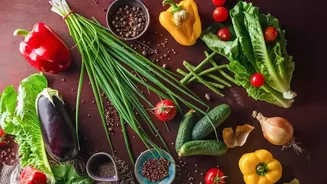
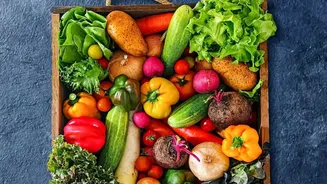
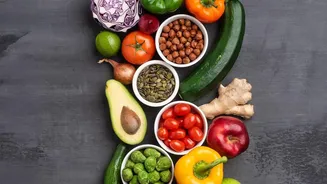
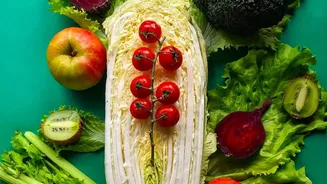
The simple act of eating raw or lightly cooked green vegetables before you touch the carbohydrates in your meal is a powerful tool for metabolic health. This strategy, often called 'food sequencing', is backed by a growing body of scientific research. The magic lies in the fibre content of the greens. The soluble fibre in vegetables dissolves in water to form a gel-like substance in your stomach and intestines. This viscous mesh slows down the process of gastric emptying, meaning the food you eat afterwards—specifically the carbohydrates—is digested and absorbed much more slowly. As a result, glucose enters your bloodstream at a more gradual, controlled pace, preventing the dramatic spike and the inevitable crash that follows. Studies have shown this method can reduce post-meal glucose spikes significantly.
How to Put It Into Practice
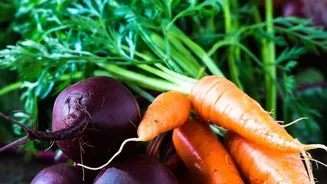
Implementing this strategy is refreshingly simple. You don't need to change what you eat, just the order in which you eat it. Before your main meal, start with a 'vegetable appetiser'. This could be a simple side salad of leafy greens like spinach or lettuce with some cucumber and tomato. A small bowl of sliced carrots and cucumbers or some lightly steamed broccoli also works perfectly. Ideally, you should eat your greens about 10 to 15 minutes before you start on your carbohydrates. This gives the fibre time to create its protective layer in your digestive system. Think of it as laying down a runway for the rest of your meal to ensure a smoother landing. For an added benefit, consider a vinaigrette dressing on your salad; the acid can also help blunt the glucose response.
What Follows the Greens?
After your vegetable starter, you can proceed with the rest of your meal, including your proteins and complex carbohydrates. For many in India, this means you would eat your kachumber salad first, then move on to your dal, sabzi, and finally, your roti or rice. By consuming protein and fats alongside or before the carbs, you further slow down glucose absorption. The goal isn't to eliminate carbohydrates but to manage how your body processes them. This simple reordering helps your body release insulin more steadily, leading to better metabolic balance without feeling deprived of staple foods.
More Than Just Blood Sugar
The benefits of this 'greens first' approach extend beyond just stable energy levels. Starting your meal with fibre-rich vegetables promotes satiety, helping you feel fuller for longer. This can naturally lead to eating fewer calories overall without feeling hungry, which may aid in weight management. Furthermore, it’s an easy way to increase your daily vegetable intake, something many people struggle with. A diet rich in vegetables and fibre supports a healthy gut microbiome, improves digestion, and provides a wealth of essential vitamins and minerals that are crucial for overall health and immunity.