



The Science of a Soggy Snack
The most immediate and frustrating consequence of improper food packing is moisture migration. When foods with high water content, like a flavourful curry or even just juicy cut fruit, are packed next to dry items like biscuits, crackers, or sandwiches,
water molecules will naturally move from the wet area to the dry one. This process is driven by basic physics, as nature seeks equilibrium. The result? Your once-crisp crackers become soft and unappealing, and your sandwich bread turns into a paste. The primary culprit is steam and condensation, especially if warm food is packed in a sealed container. As hot food cools, it releases steam, which turns into water droplets that settle on everything inside, ruining the texture of your carefully prepared snacks.
Beyond Texture: The Food Safety Risk
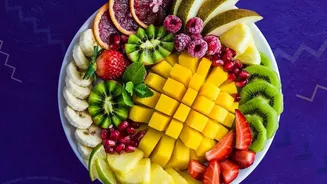
A soggy sandwich is disappointing, but a foodborne illness is far worse. Mixing wet foods and cut fruit carelessly creates a significant food safety hazard. Cut fruit is considered a high-risk food because its protective peel has been removed, exposing the moist flesh. This wet environment is an ideal breeding ground for harmful bacteria like Salmonella, E. coli, and Listeria monocytogenes. When the juice from cut fruit or moisture from a wet dish leaks and mixes with other items in your bag, it can lead to cross-contamination. Bacteria can multiply rapidly in the 'danger zone' between 4°C and 60°C, a temperature range your travel bag can easily sit in for hours. Keeping foods separate and properly chilled is essential to prevent the growth of these pathogens and ensure your on-the-go meal is safe to consume.
Preserving Flavour Integrity
Even if you manage to avoid sogginess and bacterial growth, there is another key element at stake: flavour. Foods with strong aromas and tastes, whether it’s a spicy dal, a savoury sabzi, or a pungent tuna sandwich, will inevitably transfer those flavours to more delicate items packed nearby. Fruit, with its subtle sweetness, is particularly susceptible to absorbing these unwanted tastes. Imagine biting into a slice of watermelon that has a faint aftertaste of garlic and spices, or an apple that has picked up the savoury notes of your main course. Compartmentalizing your food ensures that each item tastes exactly as it should. This separation preserves the integrity of each dish, making your meal far more enjoyable when it’s time to eat.
The Right Tools for the Job
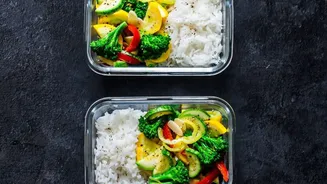
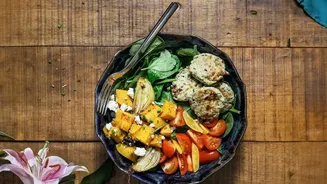
Preventing these travel food disasters starts with the right equipment. Investing in a set of high-quality, leak-proof containers is non-negotiable. Look for containers with secure locking lids to prevent any spillage of liquids or sauces. Bento-style boxes are an excellent solution, as they come with built-in dividers that keep different food items physically separated within the same container. For items like soups, dals, or very wet curries, an insulated food jar is ideal for maintaining temperature and preventing leaks. Consider using a combination of containers: a tightly sealed one for your wet dish, a bento box for fruits, salads, and dry snacks, and perhaps small, separate mini-containers for dressings or chutneys to be added just before eating.
Smart Packing Strategies for the Road
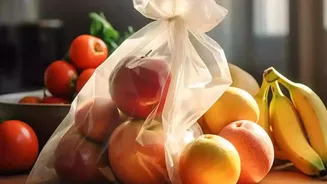
Beyond just the containers, a few strategic packing habits can make all the difference. If possible, use separate insulated bags for hot and cold items to help them maintain their respective temperatures for longer. When packing a single bag, place heavier, securely sealed wet food containers at the bottom to prevent them from crushing more delicate items. Lighter, dry snacks and whole fruits can be placed on top. Whenever you can, opt to pack fruits whole and cut them just before eating to minimize the risk of bacterial growth and nutrient loss. Finally, always keep your food bag out of direct sunlight, as a hot car can quickly bring your food into the temperature danger zone, accelerating spoilage.