
The Rain Shadow Secret
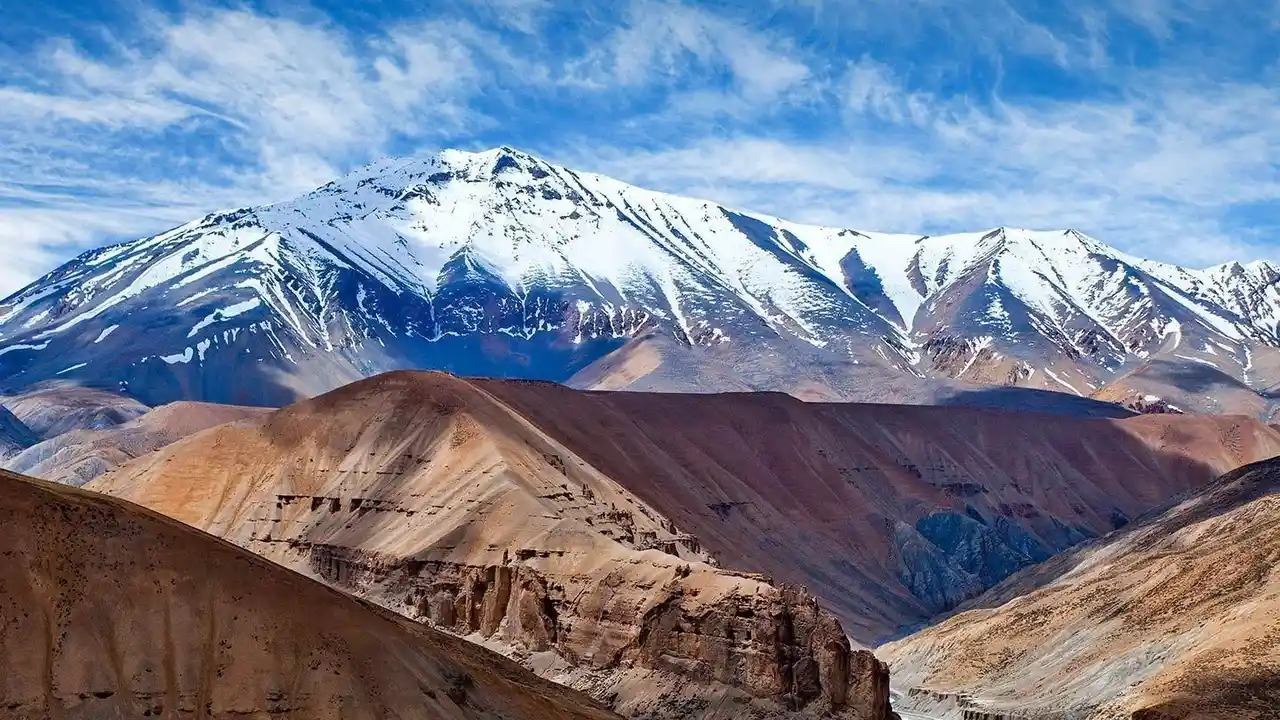
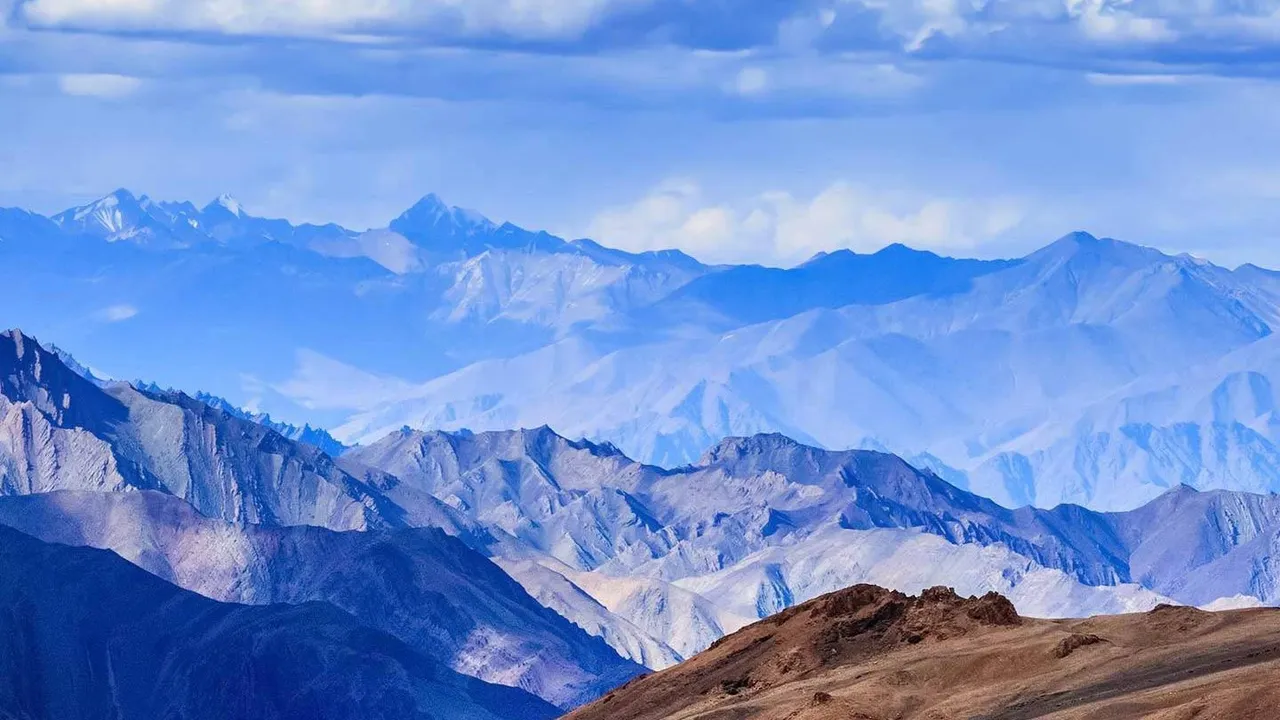
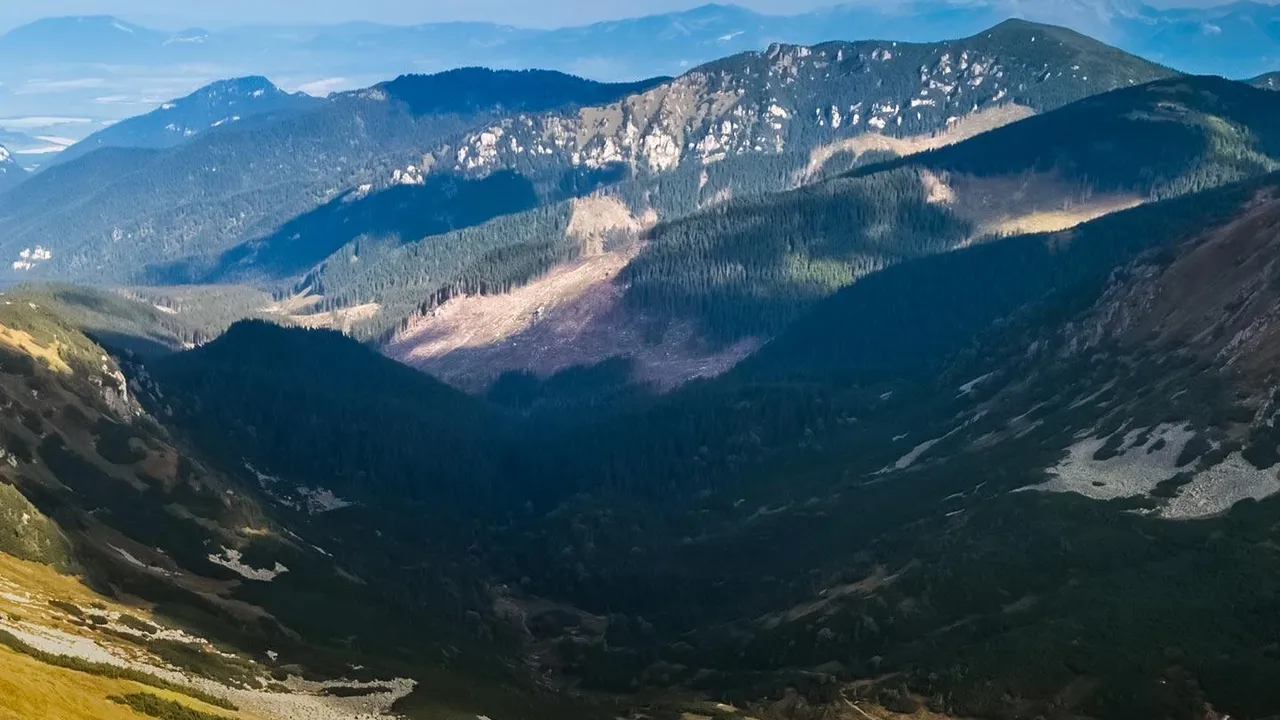
The main reason Ladakh is a fantastic monsoon destination is a simple geographic marvel: the rain shadow effect. The towering Himalayan and Zanskar ranges act as a massive barrier, blocking the moisture-laden monsoon clouds that drench the Indian plains.
By the time these clouds cross the high passes, they have already shed most of their rain. As a result, Ladakh itself remains remarkably dry, receiving only minimal rainfall, often in the form of light drizzles. This creates a unique travel window from July to September where you can enjoy comfortable daytime temperatures and clear skies while the rest of the country navigates heavy rains.
A Different Shade of Paradise
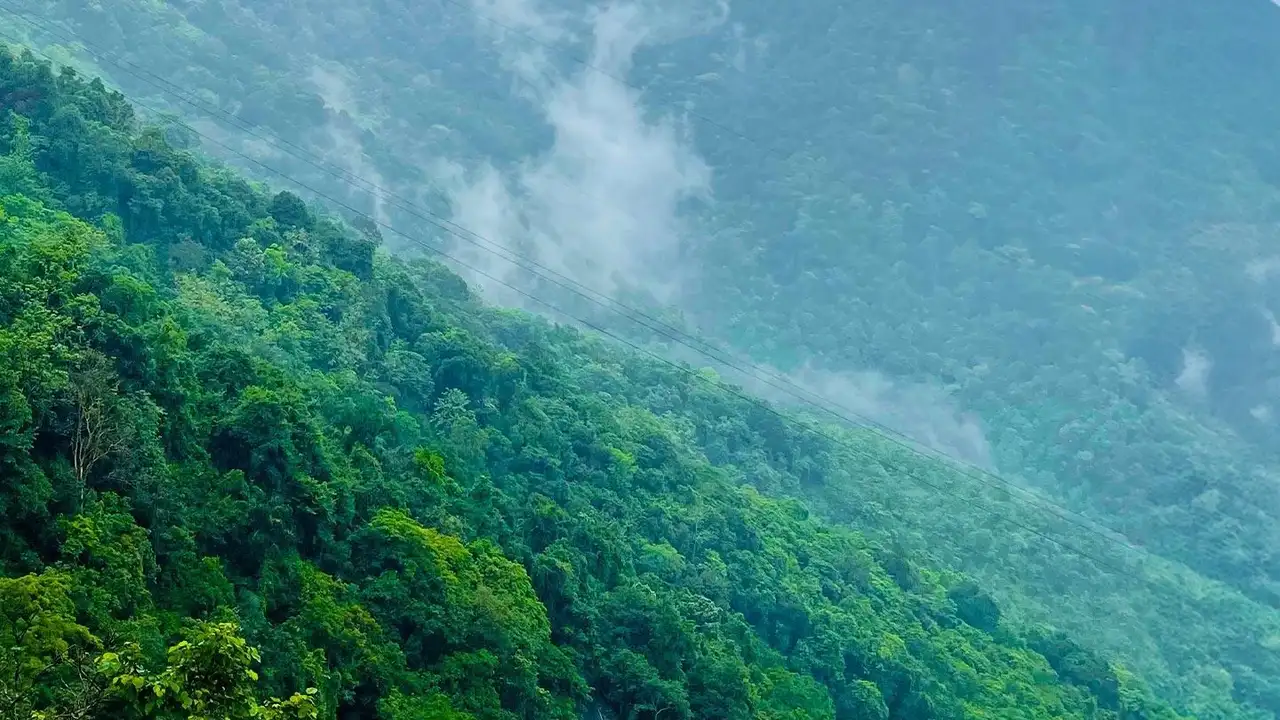
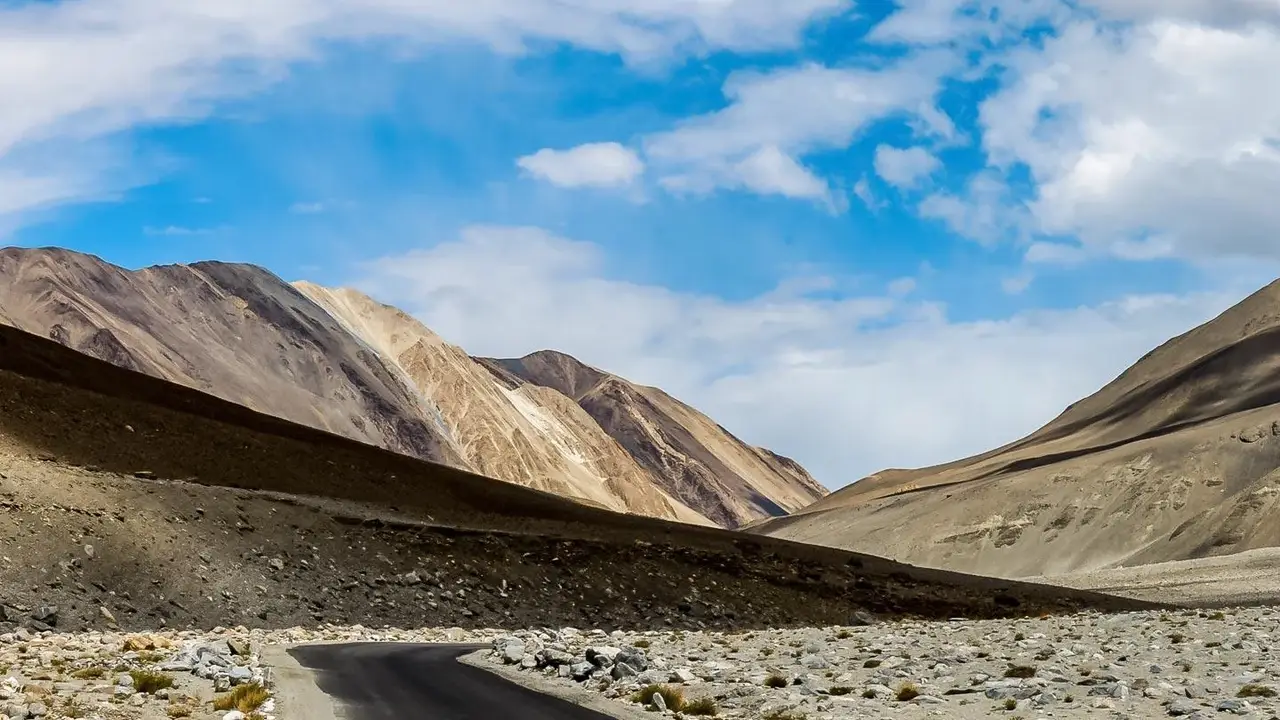
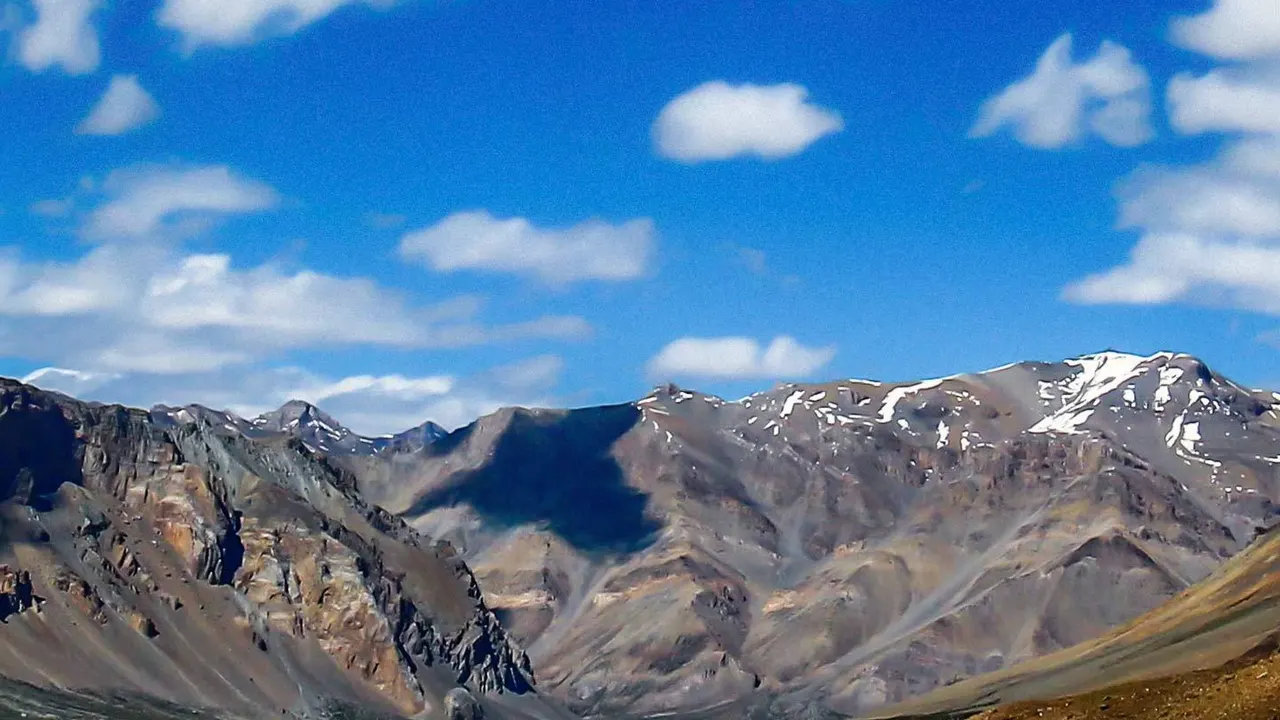
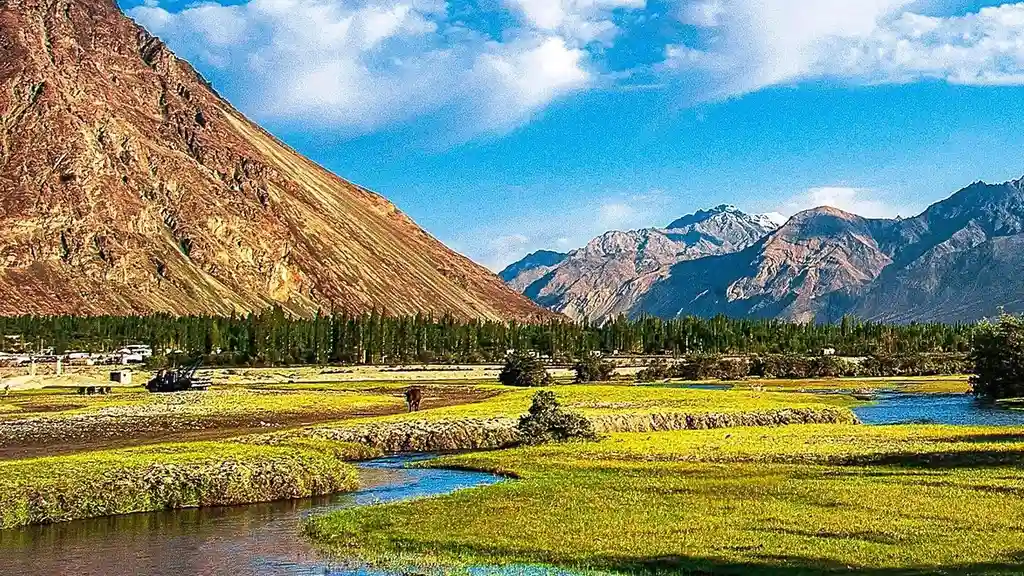
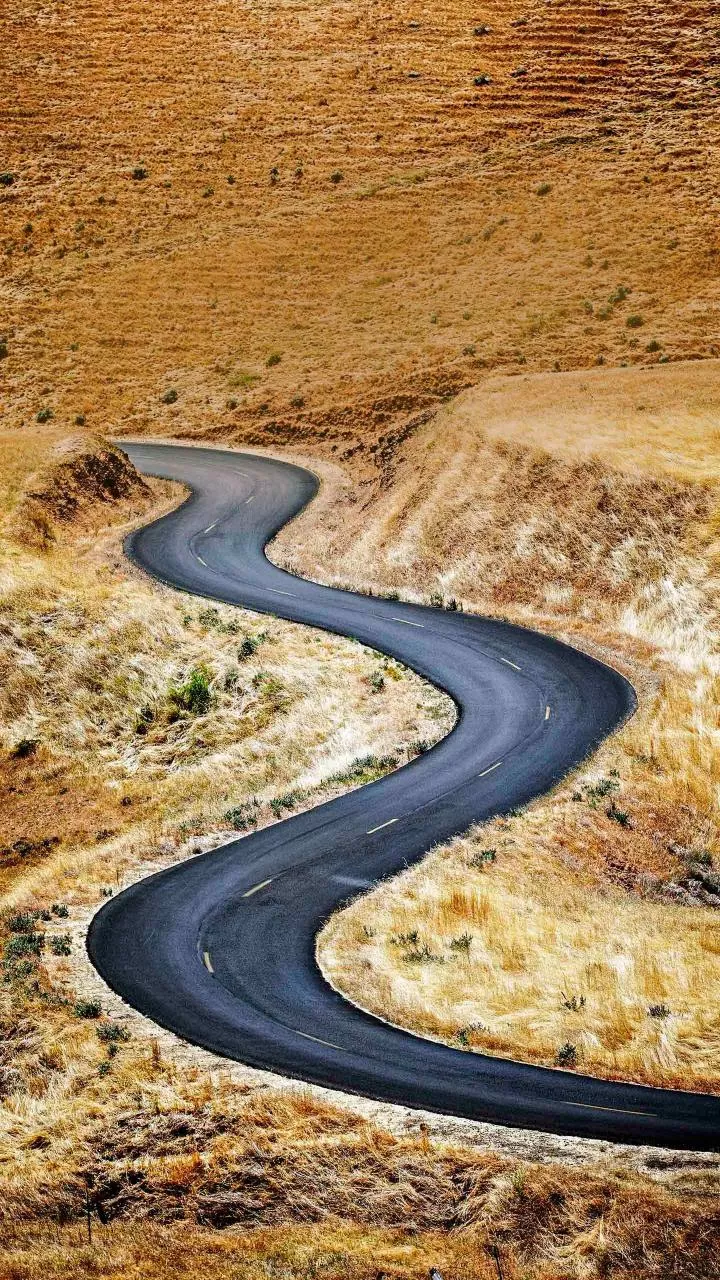
The limited moisture that does reach Ladakh during this season works wonders on the arid landscape. The barren brown valleys blush with shades of green, and wildflowers bloom across meadows, offering a rare and vibrant spectacle. This burst of life transforms the region into a photographer's dream, with dramatic cloud-play against the stark mountains and rain-washed roads creating stunning contrasts. The Shyok and Nubra rivers flow gracefully, making the valleys look picture-perfect. It’s a time when Ladakh sheds its desert persona for a fleeting, greener look, providing a visual feast unlike any other season.
Festivals and Fewer Footfalls
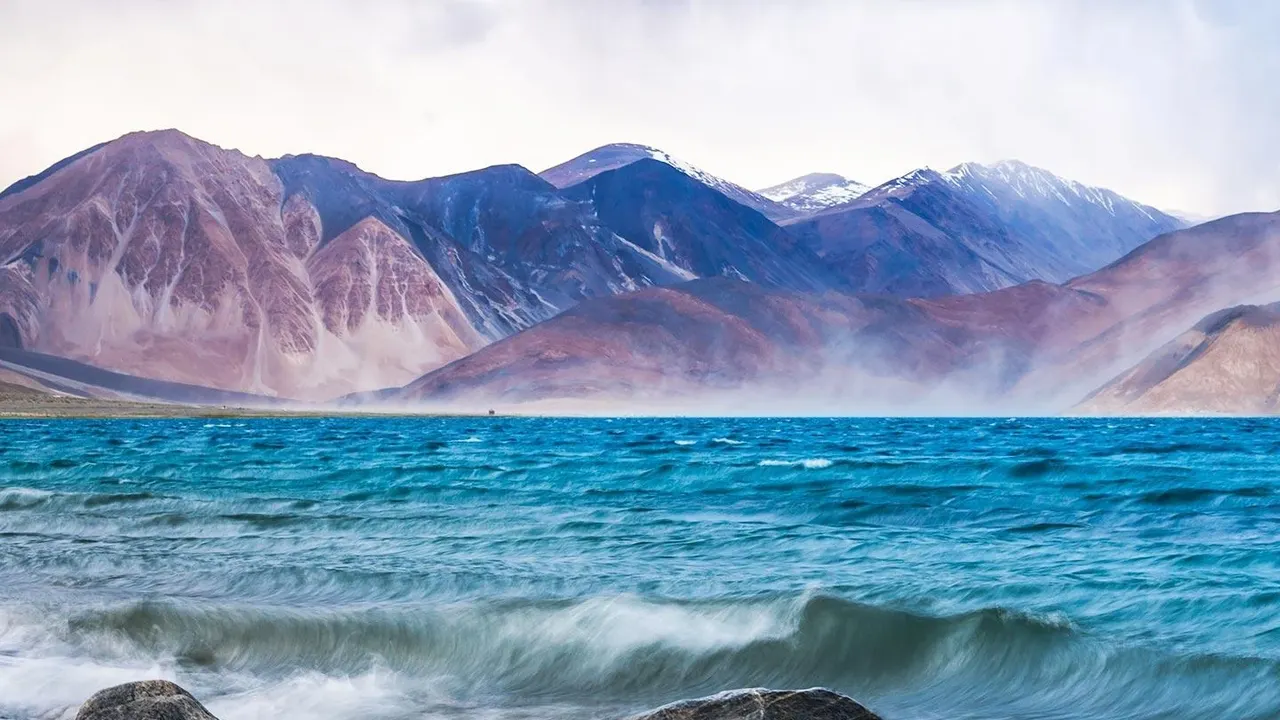
August is an excellent time for cultural immersion. While the massive Hemis festival usually concludes by July, other vibrant celebrations take place. The Changthang region hosts the Ladakh Nomadic Festival on August 9th and 10th, 2026, offering a deep dive into the lives of the region's nomadic communities. Later in the month, the Suru Summer Festival is scheduled for August 26th and 27th. Another significant advantage of visiting during the monsoon is the thinner crowd. As many travellers are wary of monsoon road-trips, you’ll find popular spots like Pangong Lake and Nubra Valley far more serene, allowing for a more personal and peaceful experience.
Navigating Your Journey: Road vs. Air
While Ladakh itself is dry, getting there by road requires careful planning. The approach highways—the Manali-Leh and Srinagar-Leh routes—pass through regions that experience the full force of the monsoon. Landslides and delays are a real possibility on stretches like the Rohtang and Baralacha La sections from Manali, or the Zoji La pass from Srinagar. It is crucial to build 2-3 buffer days into your road trip itinerary to account for potential blockages. For a worry-free journey, flying into Leh is the safest and most convenient option. This allows you to acclimatise properly and explore the dry inner regions of Ladakh without the uncertainty of highway travel. Once in Leh, all internal roads to Nubra Valley, Pangong Tso, and Tso Moriri are generally open and accessible.
What to See and Do
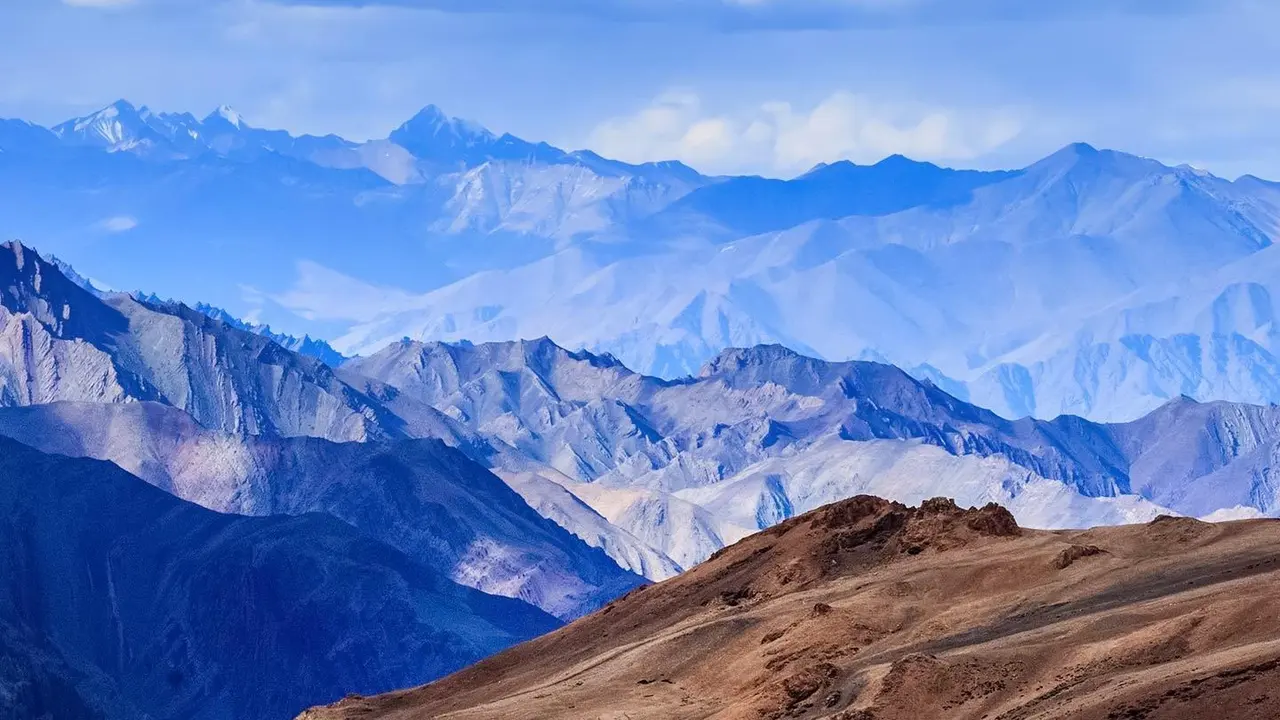
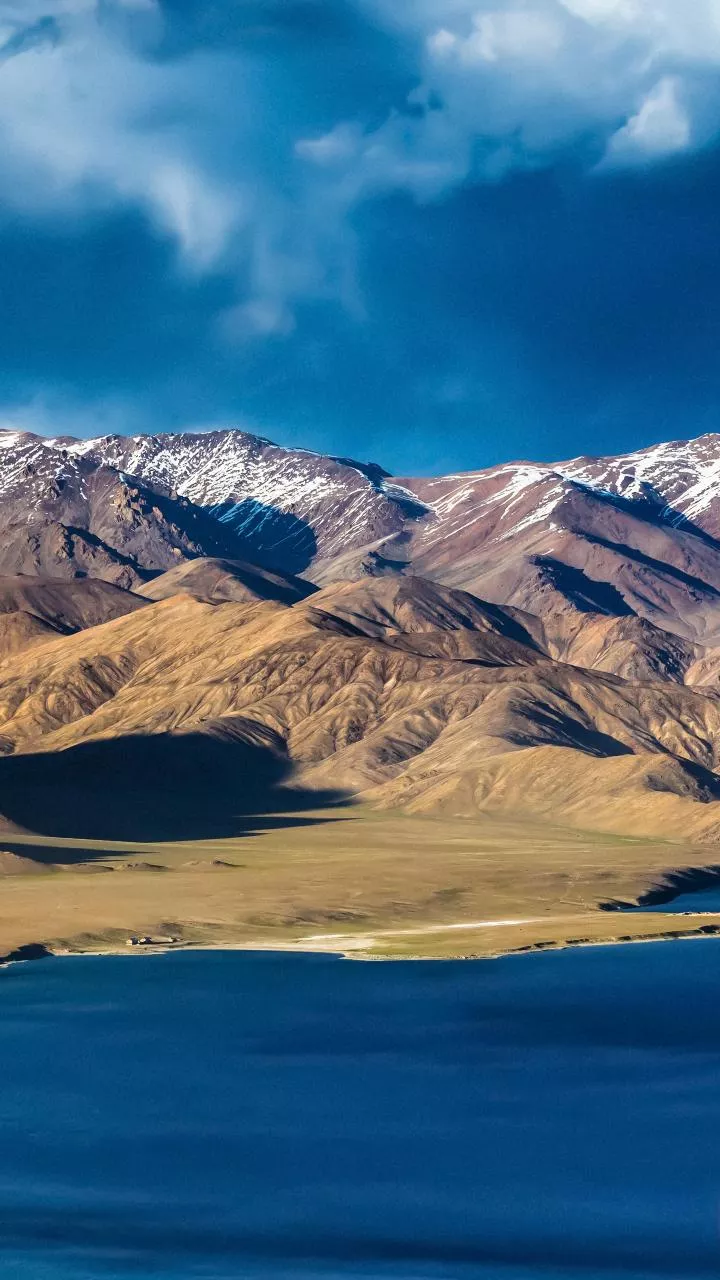
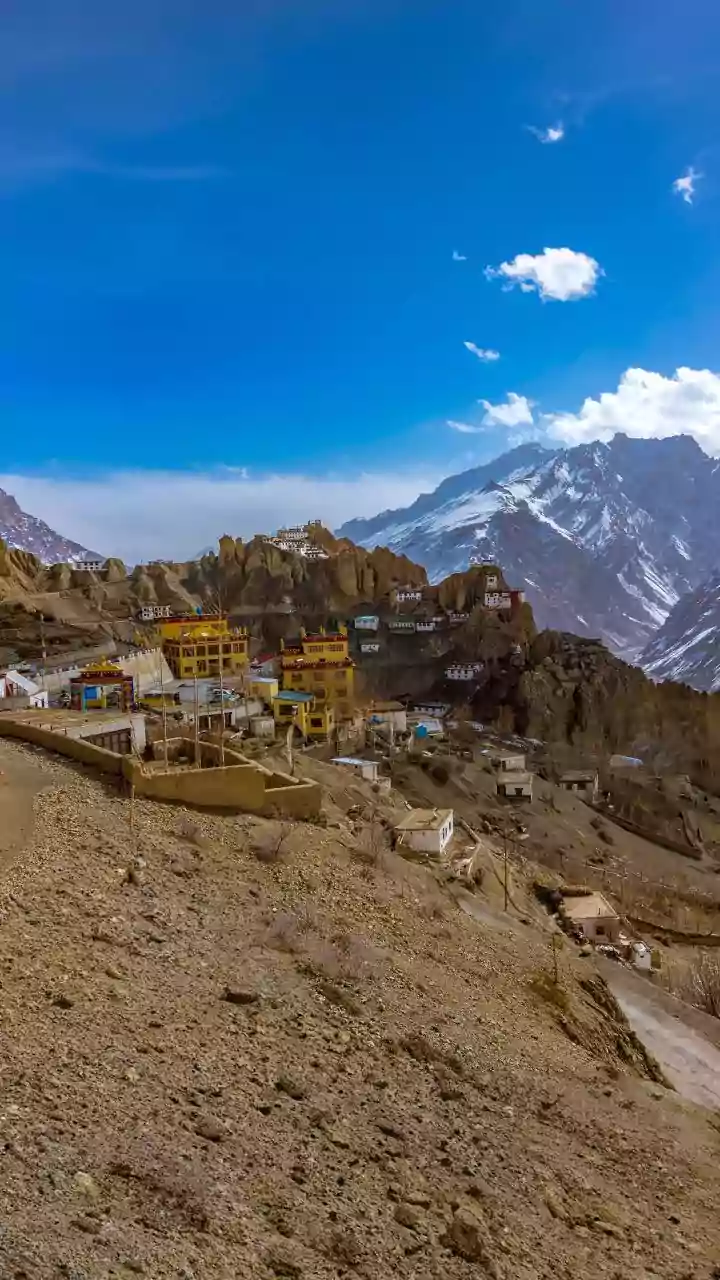
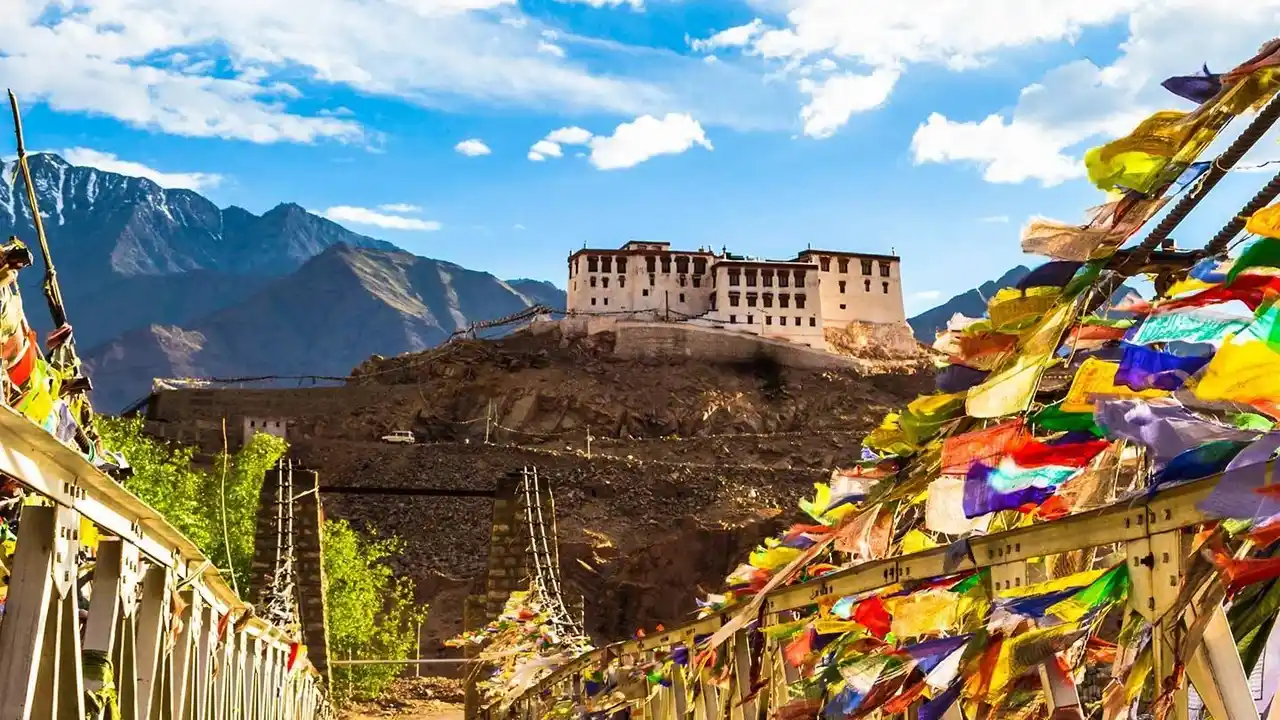
The clear and pleasant weather in August opens up a world of activities. It’s an ideal time for adventure sports like white-water rafting on the Zanskar and Indus rivers, as the water levels are manageable. The famed Markha Valley trek offers spectacular views, and road-trippers can conquer the mighty Khardung La pass for panoramic vistas of the Karakoram range. For a more tranquil experience, consider camping by the stunning Pangong Lake or the high-altitude Tso Moriri. You can also explore ancient monasteries like Hemis, Thiksey, and Diskit, or spend a night stargazing in Hanle, India’s first Dark Sky Reserve, where the monsoon skies are often exceptionally clear.