




Decode the Official Weather Warnings
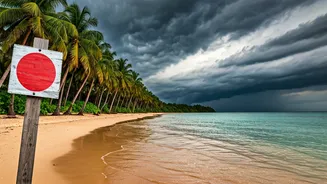
Before you even start looking at hotels, your first stop should be the India Meteorological Department (IMD) website. The IMD uses a colour-coded system to issue weather warnings, and understanding it is crucial. A Green alert means all is well. A Yellow
alert means “Be Aware,” suggesting you should keep an eye on conditions. An Orange alert, or “Be Prepared,” signals that extremely bad weather is expected, which could disrupt travel and daily life. A Red alert is the most serious, warning of a high likelihood of severe weather that could pose a threat to life and property, often advising against travel. These alerts are your first line of defence against booking a trip into a high-risk weather situation. Checking them for your destination and the route to get there is a non-negotiable first step.
Look Beyond the Rain Forecast
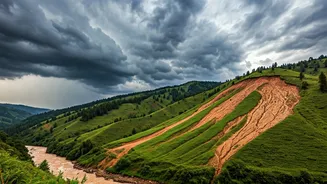
A simple rain forecast on your phone's weather app is not enough for monsoon travel planning in India. The real dangers often lie in the secondary effects of heavy rain, namely landslides and floods. Hilly and mountainous regions, particularly in the Himalayas and the Western Ghats, are highly susceptible to landslides. Roads can be blocked for hours or even days, leaving travellers stranded. Similarly, low-lying areas and destinations near rivers can experience flash floods with little warning. Look for specific advisories from the National Disaster Management Authority (NDMA) and local district administrations. Recent news from July 2026 shows that heavy monsoon rains have already caused significant flooding and landslides in northeastern states, affecting thousands and damaging infrastructure, highlighting the very real and present risks.
Know Your Destination’s Risk Profile
Some destinations are simply riskier than others during the monsoon. Areas like Himachal Pradesh, Uttarakhand, and parts of the northeastern states are known to be landslide-prone. Incessant rainfall can destabilise slopes, and new construction often adds to the risk. Similarly, coastal areas and river plains in states like Kerala, Assam, and Bihar are vulnerable to flooding. This doesn't mean you must avoid these places entirely, but you should choose your specific location with care. Opt for properties on higher ground and avoid those in low-lying areas or right next to riverbanks. When booking hotels, it's wise to read recent reviews that mention monsoon conditions and check if the property has proper drainage and power backup.
Your Pre-Booking Safety Checklist
Once you have assessed the weather and location risks, it's time to think about your bookings. Flexibility is key. Opt for hotels and transport with flexible cancellation or rescheduling policies. This gives you an exit strategy if a Red alert is issued or if travel becomes unsafe. Secondly, consider travel insurance. While not mandatory for domestic travel, a good policy can cover trip cancellations due to natural disasters, medical emergencies, and costs associated with travel disruptions like landslides or floods. Before paying, confirm with your hotel or homestay about road accessibility to their property during heavy rains. A beautiful resort is of no use if you can't reach it safely. Finally, have a backup plan. What will you do if your primary destination becomes inaccessible? Having an alternative can save your vacation.
Pack for Preparedness, Not Just Pictures
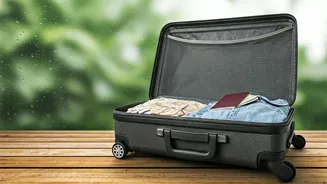
Smart packing can make a world of difference. Your luggage should include more than just holiday attire. A sturdy raincoat, waterproof footwear with good grip, and quick-drying clothes are essential. Pack a basic first-aid kit with medications for common ailments like colds and stomach upsets, which are more frequent during this season. An insect repellent is also a must, as the monsoon is peak breeding season for mosquitoes. For your electronics, carry waterproof bags or ziplock pouches and a power bank, as power cuts can be common. It's also wise to carry some extra cash, as ATM services might be disrupted in remote areas during severe weather.