






The Perfectionist's Trap
Many of us fall into the trap of believing that good home cooking means a different, exciting meal every night. We scroll through social media, save ambitious recipes, and buy speciality ingredients, only to find ourselves exhausted and over budget. This
pursuit of perfection often leads to decision fatigue, the mental exhaustion that comes from making too many choices. By evening, after a long day of decisions, the last thing your brain wants to do is solve the complex puzzle of what to cook. This is when we are most likely to abandon our plans, order expensive takeout, or watch expensive, unique ingredients wilt in the fridge, contributing to food waste.
The Power of Repeatable Meals
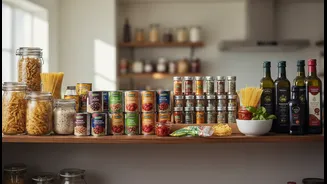
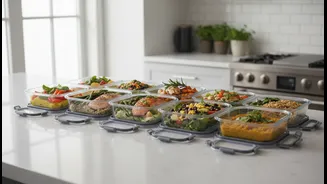
The solution is to embrace repetition. A repeatable meal isn't a boring meal; it's a reliable, easy-to-master dish that you can cook without much thought. Think of it as creating a 'capsule pantry' for your kitchen. By establishing a small rotation of go-to meals, you simplify countless decisions, from what to buy at the store to what to cook on a busy Tuesday night. This strategy puts your meal planning on autopilot, freeing up mental energy and ensuring you always have a plan. These meals typically rely on staple ingredients you can buy in larger, more economical quantities, instantly cutting down your grocery bills.
How to Build Your Meal Rotation
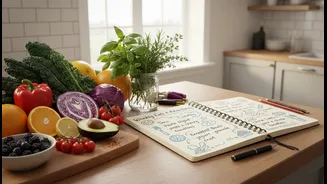
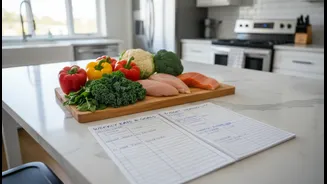
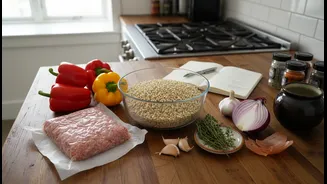
Creating your own meal rotation is simpler than it sounds. Start by listing five to seven meals your household genuinely enjoys. These should be dishes that are relatively easy to prepare and use overlapping ingredients. For example, if you cook a whole chicken on Sunday, the leftovers can be used for chicken tacos on Tuesday and sandwiches for lunch. Planning meals with similar ingredients allows you to use up what you buy, preventing waste and making grocery shopping more efficient. Once you have your core list, you can create a themed weekly schedule, like 'Pasta Wednesday' or 'Soup Sunday', which provides structure without being overly rigid. The goal is to decide once for the week, rather than struggling to decide every single night.
More Than Just Money
While the budget benefits are significant, the advantages of repeatable meals extend much further. You'll save a considerable amount of time, both in planning and in cooking. Grocery trips become faster and more focused because you have a clear list and aren't tempted by impulse buys. Perhaps most importantly, it reduces daily stress. Knowing what's for dinner eliminates a major source of evening anxiety and frees you up to enjoy your time at home. By cooking more at home, you also gain control over ingredients, leading to healthier eating habits. It transforms mealtime from a daily chore into a manageable, and even enjoyable, routine.
Keeping Your Rotation Fresh
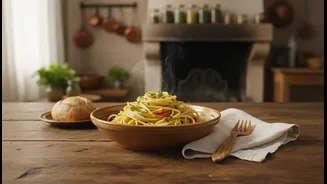
Repetition doesn't have to mean monotony. The key to keeping a simple meal rotation interesting is to introduce small, low-effort variations. A simple change of spice can completely alter the flavour of a dish. Your go-to pasta night can be refreshed by swapping the sauce, adding different vegetables, or trying a new type of protein. Use leftovers creatively; leftover roasted vegetables can be thrown into a frittata or a stir-fry later in the week. You can also have a 'special' meal once a week where you try something new and exciting. If it's a hit, you can consider adding it to your rotation. This approach provides the perfect balance of comforting consistency and enjoyable variety, ensuring your family doesn't get bored.