




The Gentle Art of the Slow Steep
Unlike traditional iced tea, which is brewed hot and then rapidly cooled over ice, slow-steeped tea—also known as cold brew—is a gentler, more patient process. Tea leaves are immersed in cold or room-temperature water for an extended period, typically
between 6 to 12 hours. This method fundamentally changes the flavour profile. The slow, heat-free extraction process pulls out fewer tannins, which are the chemical compounds responsible for bitterness and astringency in tea. The result is a remarkably smooth, naturally sweeter, and less acidic beverage that showcases the delicate nuances of the tea leaves without the need for added sugar to mask any harshness.
Vetiver: An Earthy, Grounding Coolant
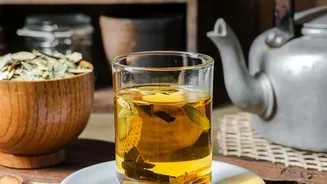
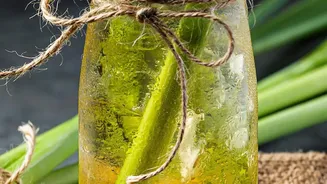
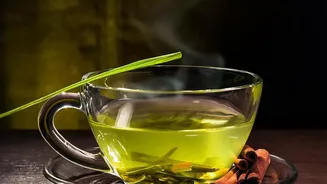
At the heart of this trend is a return to traditional, natural ingredients, and few are as deeply rooted in Indian culture as vetiver, or khus. For centuries, this aromatic grass has been used in Ayurveda for its cooling properties, making it a staple in summer drinks and wellness remedies. When its roots are infused in water, they release a distinctive earthy, woody aroma and a subtly sweet flavour. Beyond its refreshing taste, vetiver is celebrated for a host of health benefits. It is known to be a natural detoxifier, aid in digestion, and possess calming properties that can help reduce stress and anxiety. By incorporating vetiver, modern cold teas are not just offering a unique flavour but also tapping into a rich heritage of natural wellness.
Hibiscus: A Tangy, Vibrant Infusion
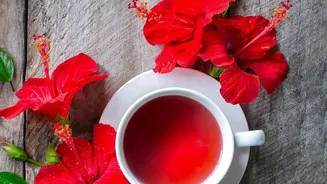
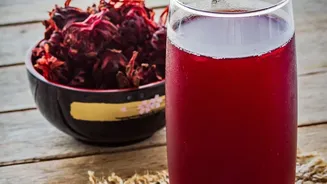
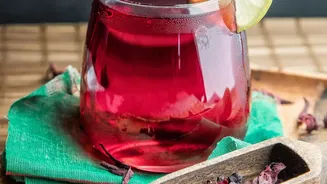
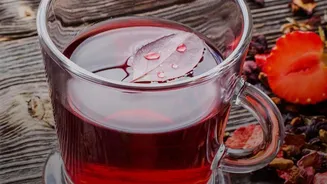
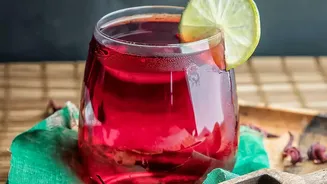
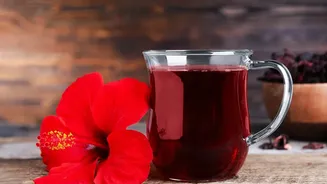
Another star ingredient making a splash is hibiscus, known to many in India as the 'gudhal' flower. Its crimson petals steep into a stunning, ruby-red liquid with a delightfully tart flavour, often compared to cranberries. This vibrant, zesty profile provides a perfect counterpoint to the sweetness of other ingredients and serves as a refreshing base for a cold beverage. But hibiscus offers more than just colour and taste; it's a nutritional powerhouse. It is packed with antioxidants like Vitamin C and anthocyanins, which help fight inflammation and protect cells from damage. Several studies have also linked hibiscus consumption to lower blood pressure and cholesterol levels, making it a heart-healthy choice. Its inclusion in cold teas transforms them from a simple refreshment into a functional, health-supportive drink.
A Welcome Break from Artificial Syrups
For years, the commercial iced tea market has been dominated by products laden with artificial syrups and flavours. These formulations often contain a cocktail of synthetic compounds designed to create a consistent, hyper-palatable taste, but they frequently come with high sugar content and a one-dimensional flavour. The move towards using whole ingredients like vetiver and hibiscus represents a significant shift in consumer preference. Drinkers, particularly urban millennials and Gen Z, are increasingly seeking authenticity and transparency in their beverages. They are rejecting the generic sweetness of artificial additives in favour of the complex, layered, and 'real' tastes that natural botanicals provide. This trend is less about 'imperfection' and more about embracing the honest, nuanced flavours that come directly from nature.
The Rise of the Artisanal Beverage
The growing popularity of slow-steeped, botanically infused teas is part of a larger movement towards artisanal and craft products in India. Much like the interest in specialty coffee or craft beer, consumers are developing a deeper appreciation for the story, quality, and craftsmanship behind what they consume. These beverages are not just thirst-quenchers; they are an experience. They align with a wellness-oriented lifestyle that prioritizes natural, clean ingredients over processed alternatives. As café culture continues to boom and palates become more sophisticated, these thoughtfully prepared cold teas are finding a loyal audience. They offer a refreshing, guilt-free indulgence that feels both modern and deeply connected to traditional Indian ingredients.