



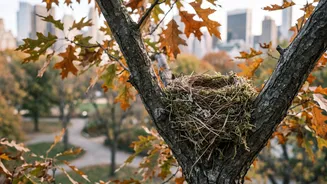


The Great Autumn Unveiling
Across India, the period following the monsoon ushers in a gradual but significant change. Many trees, particularly deciduous ones like peepal, sembhal, and neem, begin to shed their leaves. While we often associate this with a starker landscape, for
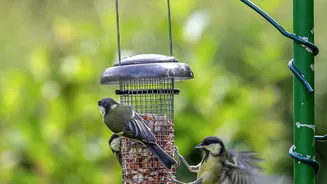
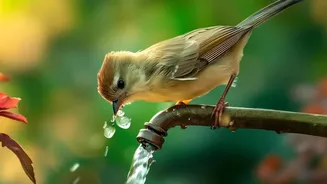
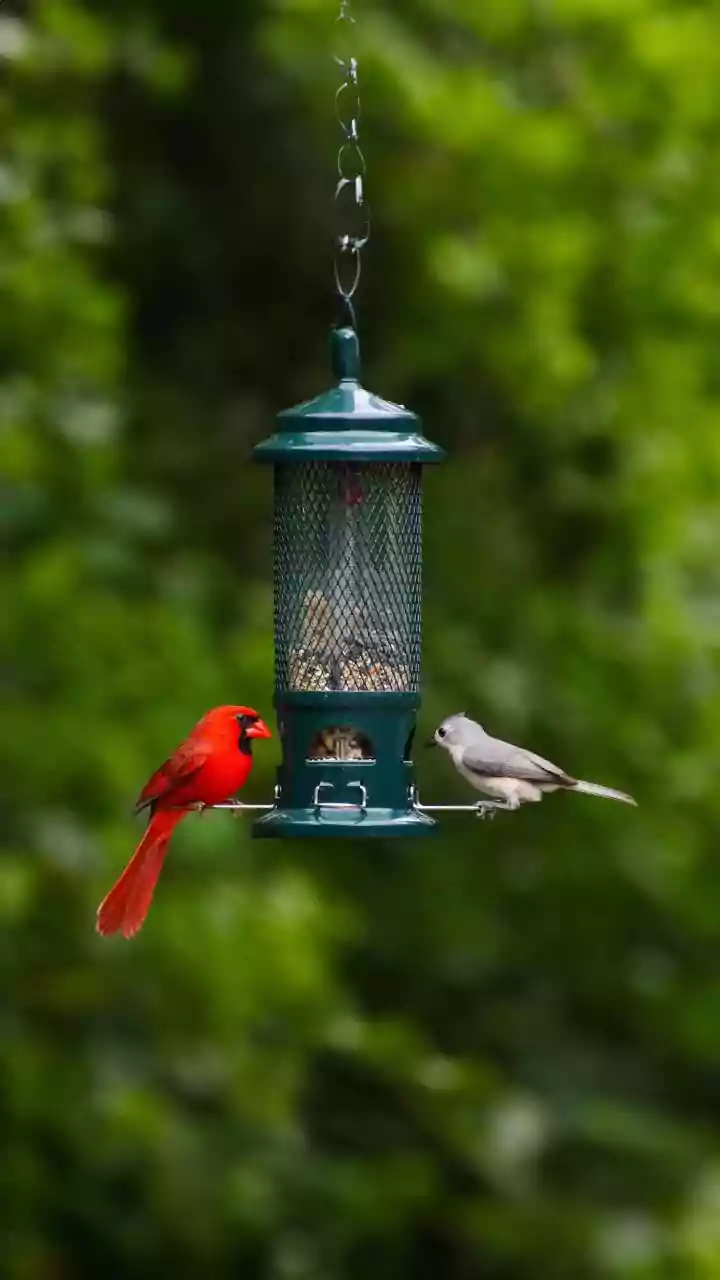
urban wildlife enthusiasts, it’s an invitation. The dense canopy that hides avian activity for most of the year thins out, creating clear sightlines into the branches. This seasonal leaf drop essentially pulls back the curtain on the bustling world of city birds. With fewer leaves to obstruct the view, spotting a flash of colour or a fluttering wing becomes dramatically easier. For the birds themselves, less foliage means fewer places to hide from view, making them more conspicuous as they forage for food or rest on branches. This phenomenon turns every neighbourhood park and tree-lined street into a potential viewing gallery.
Meet Your Feathered Neighbours
You might be surprised by the sheer diversity of birds that call our cities home. Once the leaves fall, you can more easily distinguish the characters that share your urban space. Keep an eye out for the familiar, cheerful House Sparrow and the glossy Common Myna with its distinct yellow eye-patch. Listen for the loud, cheerful calls of the Red-vented Bulbul, often seen flitting through gardens, or the piercing cry of the Black Kite as it soars high above buildings. The brilliant green of the Rose-ringed Parakeet is hard to miss, as is the rhythmic 'tuk-tuk-tuk' of the Coppersmith Barbet, often heard before it's seen. Even shy birds like the Asian Koel, whose iconic 'kuhoo' call is a soundtrack to summer, become easier to spot in the sparser branches of autumn and winter.
A Beginner’s Guide to Urban Birding
Taking advantage of this seasonal opportunity requires no special equipment, though a simple pair of binoculars can enhance the experience. The best time for birdwatching is early in the morning, when birds are most active. Find a comfortable spot in a local park, on a quiet street, or even on your own balcony, and simply be patient. Listen for calls and follow the sounds with your eyes. You don't need to identify every bird immediately; the simple act of noticing is rewarding in itself. For those who want to learn more, apps like Merlin Bird ID can help you identify birds from a description or even a photograph. The key is to start small and look closely at the green spaces you might otherwise walk past without a second glance.
The Unexpected Joy of Noticing
Engaging with urban wildlife offers more than just a pleasant pastime. Studies have shown that noticing the nature around us, even in a bustling city, is associated with improved mental health and wellbeing. It provides a vital connection to the natural world, reminding us that our cities are complex ecosystems that we share with countless other species. Observing these resilient creatures can foster a deeper appreciation for biodiversity and the importance of preserving urban green spaces. It’s an act of mindfulness that costs nothing but a little time and attention, offering a moment of peace and discovery amidst the chaos of daily life. This autumn, as the trees lay their branches bare, it’s the perfect time to look up.