






Know Before You Go: Routes and Risks
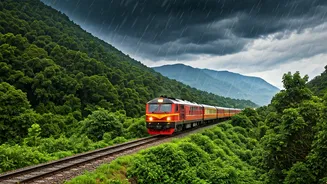
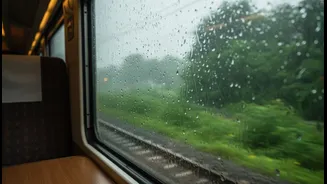
The magic of monsoon train travel is undeniable, as landscapes transform into vibrant green carpets. However, this season also brings operational challenges like waterlogging, landslides, and reduced visibility. Certain routes are more susceptible to disruption.
The Konkan Railway, famous for its scenic journey along the Western Ghats, implements a special monsoon timetable annually from mid-June to late October to ensure passenger safety. This involves reduced train speeds, which can add hours to your journey, and sometimes reduced service frequency for premium trains like the Vande Bharat and Rajdhani Express. Similarly, routes in other hilly regions and low-lying areas, like parts of the Central Railway network around Mumbai, are prone to delays due to flooding on the tracks. Before booking, research your route's vulnerability to monsoon conditions. Indian Railways often issues advisories, so checking official sources can help you set realistic expectations.
Your Digital Toolkit: Essential Travel Apps
In an era of unpredictable weather, information is your greatest asset. Gone are the days of arriving at the station unaware of a five-hour delay. Several mobile applications are crucial for real-time updates. The official National Train Enquiry System (NTES) app is a reliable source for live train status, schedules, and platform information. The IRCTC Rail Connect app is essential for booking and managing your tickets. Beyond official apps, many travellers rely on third-party services like 'Where is my Train', RailYatri, and ixigo. These often provide user-friendly interfaces for live tracking, sometimes using crowdsourced GPS data for accuracy, and can offer PNR status predictions. Having one or two of these apps downloaded and ready will empower you to track your train's movement, anticipate delays, and make informed decisions on the go.
Pack Smart for a Rainy-Day Journey
Your packing strategy can make or break your monsoon travel experience. Prioritise quick-drying synthetic fabrics over cotton and denim, which stay damp and can become uncomfortable. A lightweight raincoat or poncho is more practical than an umbrella, which can be difficult to manage in crowded stations or strong winds. Footwear should have a good grip to handle slippery platforms and wet surfaces; rubber sandals or floaters are ideal. Protecting your belongings is paramount. Invest in a waterproof backpack or a reliable rain cover. Use zip-lock bags or dry bags to compartmentalise and protect electronics, important documents, and a change of clothes. It's also wise to carry a fully charged power bank, as delays can be long, and a small first-aid kit with basic medicines.
On the Day of Travel: Safety and Supplies
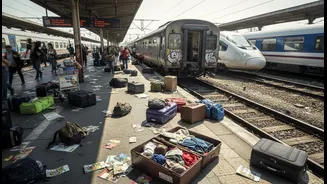
Monsoon travel requires extra vigilance. Arrive at the station with buffer time, as road traffic is often slower in the rain. Be extremely cautious on wet and slippery platforms, and always stay behind the designated safety line. With the possibility of long, unscheduled halts due to track waterlogging or landslides, it's prudent to carry your own water and non-perishable snacks. While food can be ordered on trains via apps, services may be disrupted during severe weather. If your train is significantly delayed or cancelled, listen carefully to railway announcements for information on alternative arrangements. Knowing your rights regarding refunds for cancelled tickets can also save you a headache later. Above all, avoid standing near open doors, as floors can be slippery and visibility poor.