


The Quiet Rise of the Solo Diner
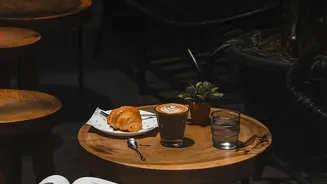
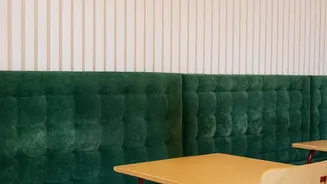
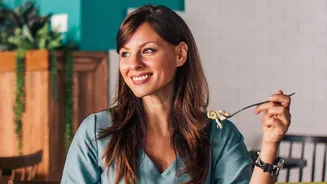
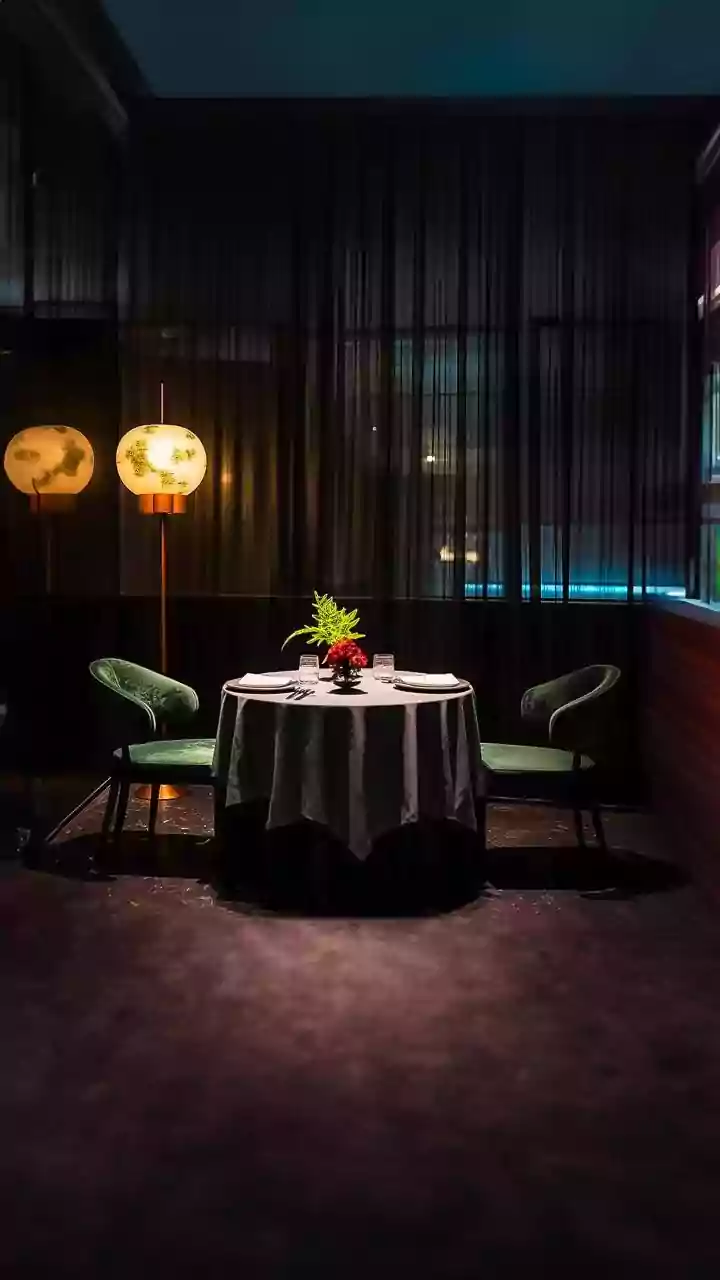
The sight of a “table for one” is becoming increasingly common in India’s bustling restaurants and cafes. What was once seen as a sign of loneliness is now embraced as an act of independence and self-care. Driven by urbanisation, flexible work hours,
and a growing desire for personal time, more Indians from millennials to retirees are choosing to dine out alone. This isn't just a fleeting trend; it reflects a deeper cultural shift. People are carving out intentional moments of solitude, and the hospitality industry is beginning to take notice. Restaurants are starting to see that solo diners, who often order based on craving rather than consensus, can become their most loyal and intentional guests.
The Problem with Oversized Portions
For a solo diner, a standard restaurant menu can feel restrictive. Many dishes, particularly in Indian restaurants, are designed for sharing among families or groups. This leaves the individual diner with a frustrating choice: commit to one large, expensive main course and miss out on variety, or try to construct a meal from side dishes. Both options are often unsatisfying. The former leads to palate fatigue and potential food waste, while the latter can feel like a compromised experience. Furthermore, the pressure to finish a large plate can lead to overeating and discomfort, detracting from the pleasure of the meal.
A Win-Win: The Small Plate Solution
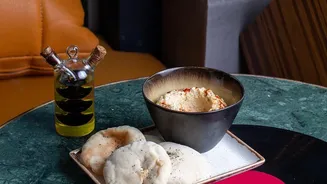
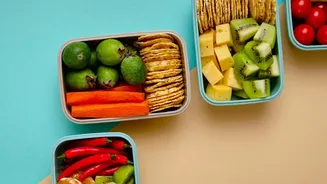
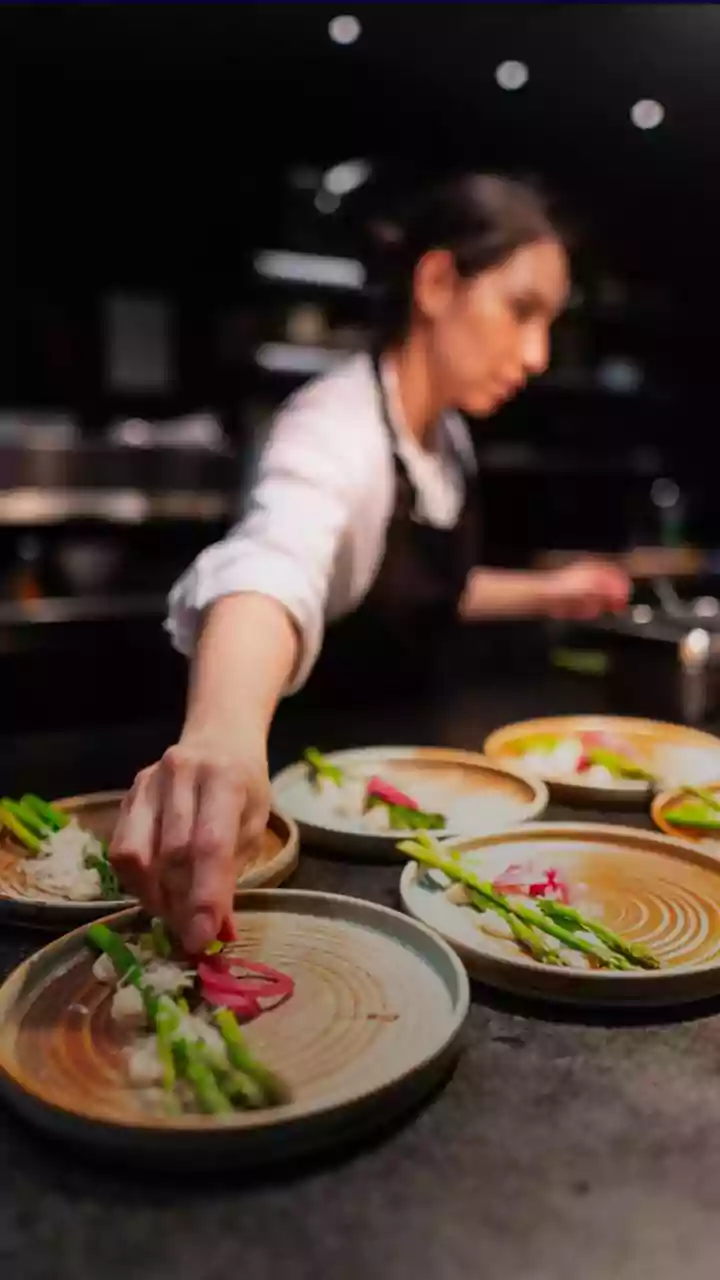
The good news is that restaurants are adapting. Many establishments now explicitly offer half-portions, tasting menus, or a small plates format. This approach is a clear victory for the solo diner. It allows for a more adventurous meal, providing the opportunity to sample multiple dishes and flavours without committing to a single large entrée. Psychologically, ordering several smaller, lower-priced items can also feel more accessible and less of a financial commitment than a single expensive dish. For restaurants, this model reduces food waste, allows for better quality control, and can even increase profits by encouraging guests to try more items, including those with premium ingredients.
More Than a Meal, It's an Experience
The benefits of smaller portions extend beyond just food and finances. For the growing number of people who see solo dining as a form of 'me-time', the ability to curate their own tasting menu enhances the entire experience. It allows them to eat at their own pace, fully immerse themselves in the flavours and textures, and enjoy a sense of freedom and control over their meal. This shift empowers the diner, making them feel catered to and understood, rather than an afterthought in a dining room designed for groups. Restaurants that embrace this flexibility are not just selling food; they are offering a personalised and more satisfying experience.
How to Confidently Ask for Less
What if smaller portions aren't listed on the menu? Don't be afraid to ask. Many restaurants are willing to accommodate reasonable requests. When you order, you can politely inquire, "Is it possible to get a half-portion of this dish?" or "I'm dining alone and would love to try a couple of things. Could you recommend anything that comes in a smaller size?". Another strategy is to order a starter and a side dish as your main meal. If the answer is no, be prepared to accept it graciously, as some dishes may be pre-portioned. However, as more establishments recognize the solo dining trend, these requests are becoming more common and accepted. You can also specifically look for restaurants that advertise small plates, tapas-style menus, or lunch-sized portions, which are often available all day.