








What is 'Weather Mode'?
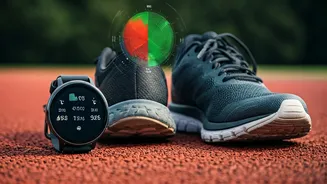
Simply put, 'weather mode' is a smarter, more adaptive approach to fitness that goes far beyond a quick glance at the forecast. It involves actively using real-time and predicted weather data—like temperature, humidity, air quality, wind speed, and UV
index—to decide not just if you should work out, but how. The goal is to optimize performance, enhance safety, and maintain consistency. Instead of a rigid schedule, your plan becomes dynamic. A cool, crisp morning might be perfect for a long run, while a hot, humid afternoon may trigger a switch to an indoor HIIT session or a swim. It’s about working with the environment, not against it, using technology to make informed decisions that align your fitness goals with the day's conditions.
Why the Weather Matters for Performance
Exercising in different weather conditions isn’t just about comfort; it has a significant physiological impact. During hot weather, your body has to work harder to cool itself down, diverting blood flow to the skin to facilitate sweating. This means less blood and oxygen are available for your working muscles, making the same level of exertion feel much more difficult. High humidity makes this even tougher because sweat doesn't evaporate as quickly, hindering your body's primary cooling mechanism. On the other hand, extreme cold can cause muscles to become stiff and less powerful, as nerve conduction slows and force output drops. Factors like wind can either provide a helpful tailwind or a resistive headwind, while poor air quality can impact respiratory function and overall health. By understanding these effects, you can adjust your expectations and workout intensity to prevent injury and burnout.
The Technology Driving the Trend
The shift to weather-aware workouts is powered by a new generation of apps and wearable technology. While many standard fitness planners like Jefit and Fitbod excel at creating routines, a new category of tools is emerging that specifically integrates environmental data. For example, the 'Weather AI Workout' app uses hyperlocal weather data and AI to suggest dynamic workouts, nutrition tips, and even what to wear. It might recommend an intense indoor session on a rainy day or a light, hydrating meal when it's hot. Other platforms like Intervals.icu offer advanced weather analysis for cyclists and runners, helping them plan long-term training. Even general weather apps like Clime are now marketing features tailored to athletes, such as minute-by-minute precipitation forecasts and lightning trackers, to help them find the perfect window for outdoor activity. These tools remove the guesswork, turning your smartphone into a sophisticated environmental fitness coach.
Your Weather-Optimized Training Guide
Putting this into practice is straightforward. For hot and humid days, schedule workouts for the early morning or late evening when temperatures are coolest. Prioritize hydration and consider reducing the intensity or duration of your usual routine. You might swap a long run for shorter intervals with walk breaks. In the cold, dressing in layers is key. Start with a moisture-wicking base layer to draw sweat away from your skin, add an insulating mid-layer like fleece, and finish with a waterproof and windproof outer shell. Performing your warm-up indoors can also help prepare your muscles before you head out. On days with high winds, consider a sheltered running route or use the resistance for a more challenging workout. If air quality is poor or the weather is simply too severe, having a go-to indoor workout is essential. This could be anything from a bodyweight circuit to an online yoga class or a session at a local gym.
Listen to Your Body, Not Just the App
While technology provides an excellent guide, it’s crucial to remember that it's a tool, not a rulebook. The most important feedback comes from your own body. Pay close attention to signs of overexertion, dehydration, or cold-related issues. In the heat, symptoms like dizziness, nausea, or unusual fatigue are clear signals to stop, find a cool place, and rehydrate. In the cold, be aware of numbness or excessive shivering. Acclimatization is also a critical factor; it takes time for your body to adapt to exercising in significantly different temperatures. Start slowly when a new season begins, gradually increasing the duration and intensity of your outdoor workouts. Ultimately, the smartest workout plan is one that balances data-driven insights with your own physical and mental wellbeing.