





More Than Just Smoke
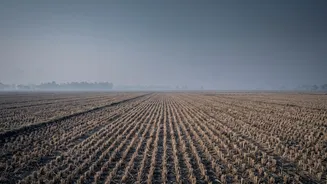
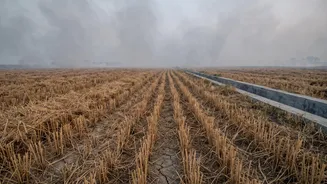
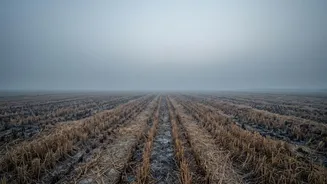
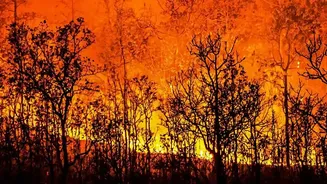
Every year, as farmers in Punjab and Haryana clear their fields for the winter wheat crop, the air across the Indo-Gangetic Plain changes. For decades, the link between this large-scale stubble burning and the subsequent smog in cities like Delhi has
been clear. However, recent studies are providing a much more detailed picture of the pollutants involved and how they transform in the atmosphere. Research from institutions including IIT Delhi has begun to quantify the precise contribution of these fires, revealing an impact that is both immediate and dangerously dynamic. These findings move beyond correlation, using advanced methods to trace the smoke from its source to the air blanketing urban centres, showing exactly what is in the haze and how it got there.
The Primary Culprit: Black Carbon
At the heart of the problem is black carbon, commonly known as soot. It is produced by the incomplete combustion of fuels, in this case, agricultural residue. A recent study focusing on rural Punjab during the peak post-monsoon burning season found startling numbers. On average, crop burning was responsible for nearly half (48%) of the total black carbon in the air. During the most intense hours of burning, that figure skyrocketed, with stubble fires accounting for over 90% of local black carbon pollution. This massive injection of primary pollutants is the first step in a chain reaction. The smoke doesn't just contain soot; it is a rich mixture of gases and particles that serve as the raw ingredients for an even more complex form of pollution.
A Toxic Transformation in the Air
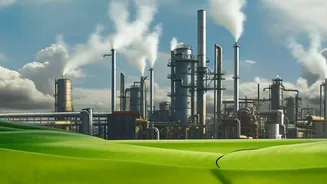
The latest science shows that the real danger lies in what happens next. The post-monsoon atmosphere—with its cooler temperatures, higher humidity, and calmer winds—acts as a giant chemical reactor. Volatile organic compounds (VOCs) released by the fires undergo oxidation in the air, forming secondary organic aerosols (SOA). These are not particles emitted directly from the flames but are new pollutants created as the smoke ages and travels. This process of atmospheric transformation is critical. Studies show that a significant portion of the organic aerosol found in Delhi during haze events is this 'aged' smoke, which has been chemically altered during its journey. This transformation makes the pollutants more complex and allows them to persist longer in the atmosphere, spreading their impact over a much wider area.
From Punjab's Fields to Delhi's Lungs
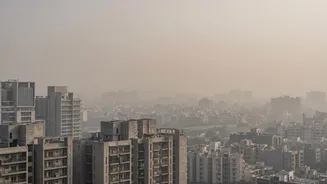
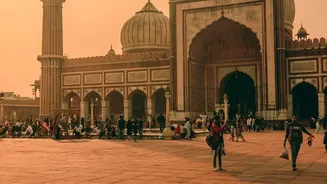
The journey of this toxic cocktail is dictated by meteorology. Prevailing northwesterly winds reliably transport the emissions from Punjab and Haryana across the Indo-Gangetic Plain. This is compounded by a post-monsoon weather phenomenon known as a shallow planetary boundary layer, where a low-lying layer of cool air traps pollutants close to the ground, preventing them from dispersing. Research confirms that this transported smoke is a major source of the choking haze in downwind cities. Studies have attributed a substantial percentage of the dangerous PM2.5 particles in Delhi and even as far as Kanpur directly to these agricultural fires, with some estimates suggesting it can account for over 30% of pollution during peak events.
A Cost Measured in Health and Climate
The consequences of this annual event are severe. The fine particulate matter from crop smoke is directly linked to respiratory illness, cardiac problems, and a significant number of premature deaths. One analysis estimated that during the worst post-monsoon smog, smoke from agricultural fires was responsible for up to 32% of daily deaths from air pollution in Delhi. Beyond the immediate health crisis, new research also highlights a climate impact. The high concentration of black carbon absorbs sunlight and radiates heat, raising local land surface temperatures by an average of over half a degree Celsius in affected areas. This localised warming can further alter weather patterns, stressing the very agricultural systems from which the smoke originates.