




Understanding This Common Plant Killer
Root rot is a disease that occurs when a plant's roots are deprived of oxygen due to waterlogged soil. While overwatering is the main trigger, the actual damage is done by fungal pathogens that thrive in these soggy, airless conditions. These fungi attack
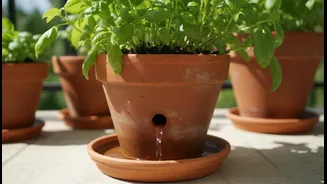
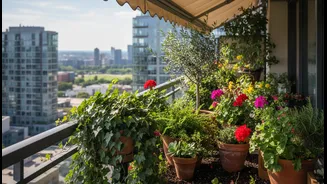
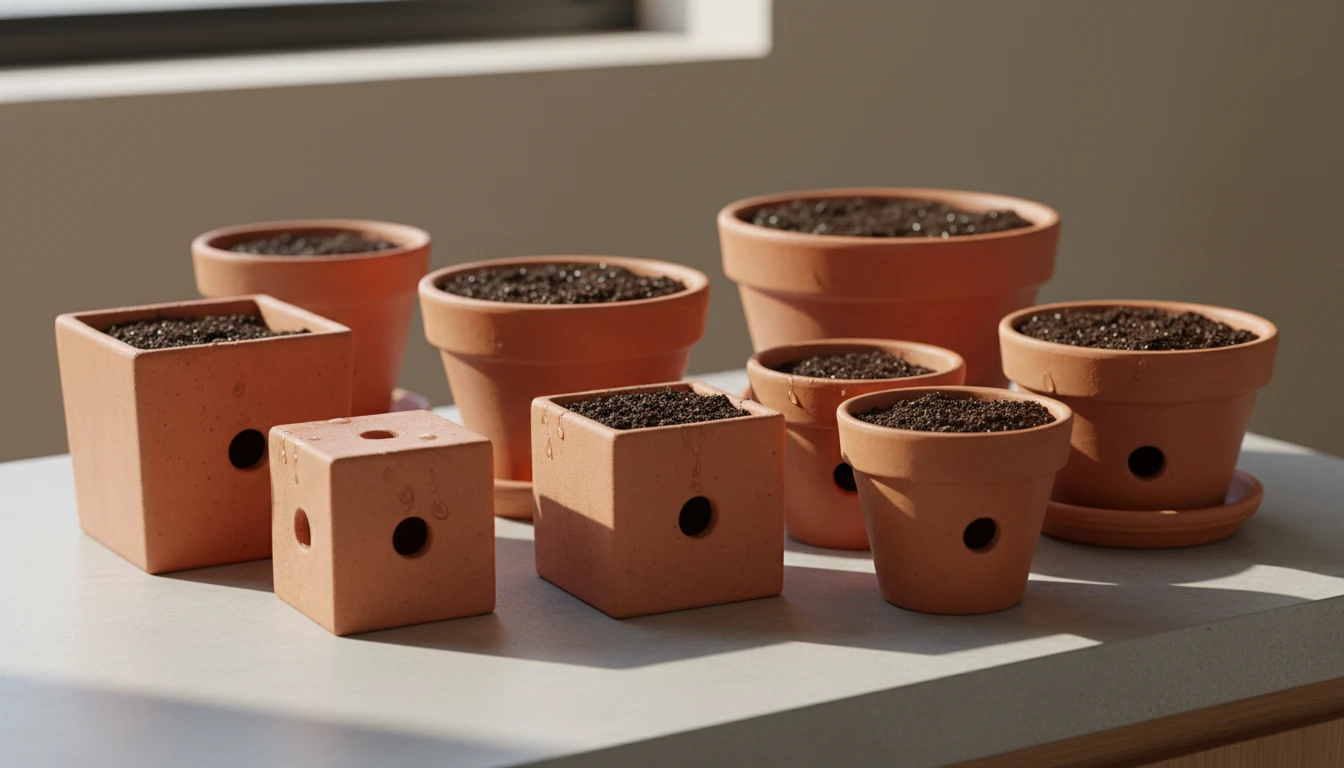
the roots, causing them to decay. Once the roots start to break down, they can no longer absorb the water and nutrients the plant needs to survive, leading to a slow decline that eventually shows up in the leaves and stems. For balcony gardens, where plants are confined to pots, proper drainage is your first and best line of defence.
Early Clues Above the Soil
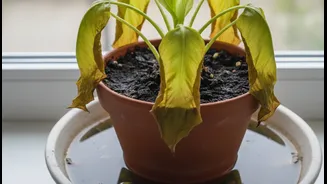
Before you see the classic yellow leaves, the plant may send other distress signals. One of the most common but confusing signs is wilting, even when the soil feels moist. This happens because the rotting roots have stopped absorbing water, making the plant look thirsty when it's actually drowning. Another very early symptom that often goes unnoticed is slowed or stunted growth. If it’s the middle of the growing season and your plant isn't producing new leaves, flowers, or stems, its energy may be focused on a hidden battle below the surface.
Trust Your Nose: The Smell Test
One of the most reliable sub-surface clues is the smell of the soil itself. Healthy soil has a fresh, earthy scent. In contrast, soil with decaying roots will often develop a distinct, unpleasant odour. This smell is sometimes described as sour, swampy, musty, or like rotting vegetables. The foul smell is caused by the bacteria and fungi that multiply in the oxygen-deprived environment. If you get a whiff of something foul when you water your plant or from the pot’s drainage holes, it’s a strong indicator that you need to investigate the roots immediately.
The Definitive Check: A Root Inspection
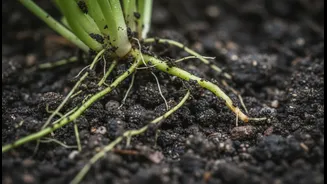
To be certain, you'll need to get your hands dirty. Gently slide the plant out of its pot to examine the root system. Healthy roots are typically firm and white or light tan in colour. The signs of root rot are unmistakable once you see them: the roots will be brown or black, feel soft and mushy to the touch, and may even fall apart easily. The outer layer of an infected root might even slide off, leaving the stringy inner core behind. This direct inspection is the only way to confirm root rot before the plant is too far gone.
First Aid for Early-Stage Rot
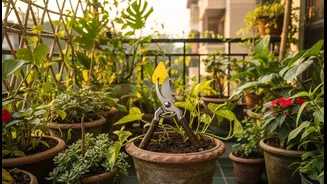
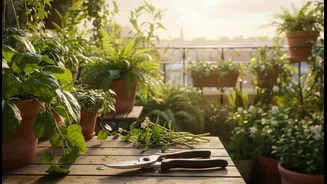
If you've caught the rot early and there are still healthy, white roots remaining, the plant can often be saved. First, gently wash away all the old soil from the roots to get a clear look. Using a pair of clean, sterilized scissors, carefully trim away all the brown, mushy parts until only healthy tissue is left. It's crucial to be thorough, as any remaining rot can spread again. Repot the plant in a clean pot with good drainage holes, using fresh, well-draining potting mix. Avoid using the old soil, as it may still contain harmful fungal spores.