


The Heart of the Celebration: Ghatasthapana
The preparations for Navratri formally begin with Ghatasthapana or Kalash Sthapana on the first day, which in 2026 falls on October 11. This important ritual involves placing a sacred pot, or Kalash, in the puja area, which symbolically invites the presence
of Goddess Durga into the home. The Kalash is filled with holy water, and items like a coin, betel nut, and rice are added. Five mango or Ashoka leaves are placed at its mouth, topped with a coconut wrapped in a red cloth. Often, this Kalash is placed on a bed of soil where barley seeds are sown, with their growth over the nine days signifying prosperity and fertility.
A Spectrum of Devotion: The Nine Colours
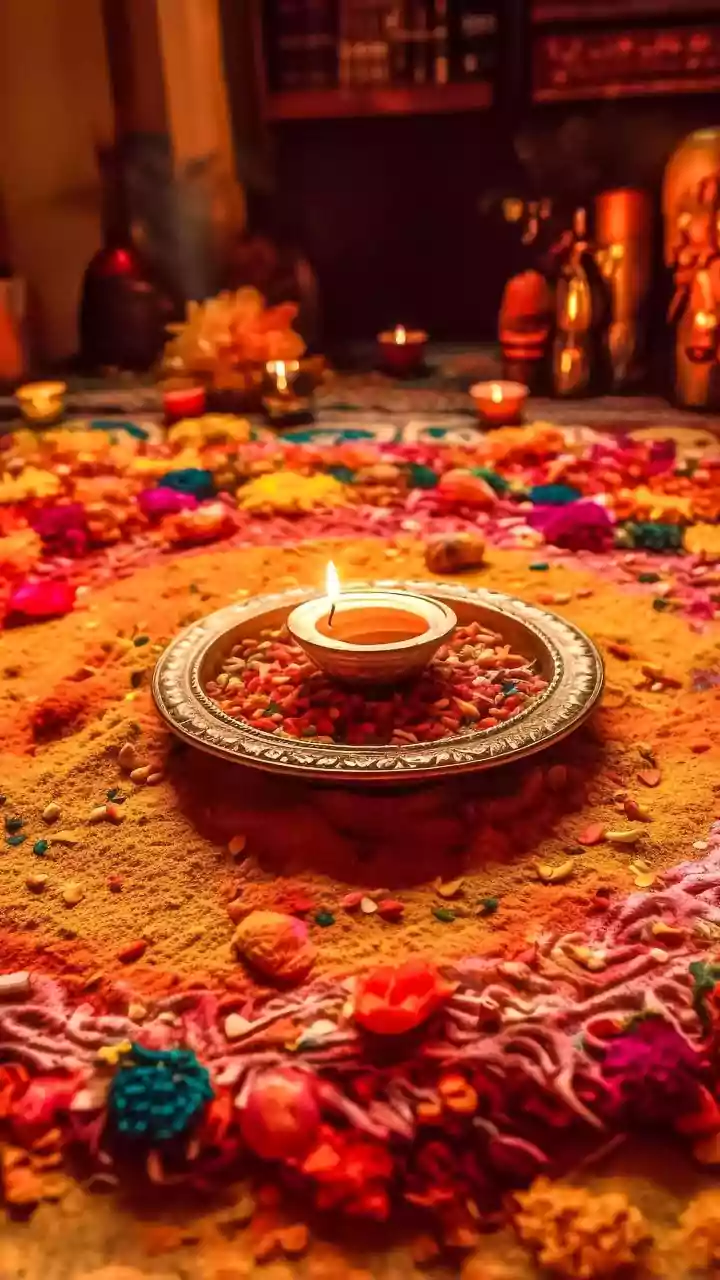
One of the most joyful traditions of Navratri is embracing a specific colour for each of the nine days, aligning attire and decor with the energy of the goddess being worshipped. This practice connects devotees visually and spiritually to the festival's progression. For 2026, the celebration begins with Orange on Day 1 (October 11), a colour of energy and warmth. This is followed by White for purity, Red for courage, Royal Blue for divine energy, Yellow for happiness, Green for growth, Grey for transformative strength, Purple for wisdom, and finally Peacock Green for individuality, concluding on October 19. Incorporating these colours through fabrics, flowers, or rangoli is a simple yet powerful way to engage with the festival's daily rhythm.
The Sacred Glow of Diyas
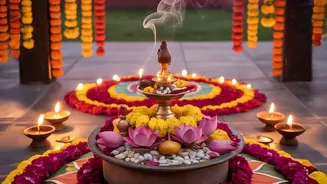
Light is central to Navratri, symbolizing the victory of good over evil and knowledge over ignorance. Earthen diyas, or lamps, are lit across homes, especially in the puja room, to create a divine and serene atmosphere. The flame of a diya is considered a representation of consciousness and an offering of one's awareness to the divine. Many families maintain an 'Akhand Jyot', a single lamp that is kept burning continuously for all nine nights. This unbroken flame signifies constant devotion and ensures the divine presence remains in the home throughout the festival. Arranging clusters of diyas at the entrance, near the rangoli, or around the mandir amplifies the festive glow.
The Fragrance of Fresh Flowers
Flowers are an indispensable part of Navratri worship, considered a pure and beautiful offering to the goddess. Their fragrance cleanses the space and creates a sacred ambiance. Marigold flowers are especially popular, used to create 'torans' or garlands that adorn doorways as a symbol of welcome and auspiciousness. Petals are used in rangoli designs and offered at the altar during daily prayers. Using fresh flowers for garlands and decorations in the puja room not only adds natural beauty but is also a gesture of deep reverence and gratitude.
The Richness of Festive Textiles
Vibrant textiles play a key role in transforming a home's atmosphere for Navratri. Old saris or colourful dupattas in auspicious shades like red, yellow, or green can be repurposed as backdrops for the home mandir or as decorative coverings for the puja chowki. Many follow the colour-of-the-day tradition by changing cushion covers, throws, or table runners to match. These fabrics add layers of texture and colour, making the festive space feel warm, inviting, and visually rich. Using traditional Indian textiles like Bandhani or those with intricate embroidery adds a touch of cultural elegance to the decorations.
A Southern Tradition: The Golu Display
In many homes in South India, particularly in Tamil Nadu, Karnataka, and Andhra Pradesh, Navratri is celebrated with a 'Golu' or 'Bommai Golu' display. This is a thematic arrangement of dolls and figurines on an odd-numbered set of steps or 'padi'. The display often tells stories from Hindu texts, depicts wedding scenes, or portrays scenes from everyday village life. The topmost steps are reserved for deities, while lower steps feature saints, people, and animals, symbolizing the hierarchy from the divine to the earthly. Families invite friends and neighbours to view the Golu, sharing sweets and gifts, making it a vibrant community celebration.