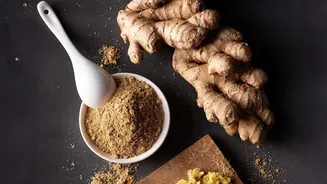


That sharp, zesty, almost citrusy aroma that fills the kitchen when you grate fresh ginger is unmistakable. But when you reach for the jar of ground ginger, the experience is different. It's warmer, more earthy, but lacks that vibrant punch.
The Science of Scent and Flavour
The difference
between fresh and powdered ginger isn't just about water content; it's a matter of chemistry. Fresh ginger is packed with a compound called gingerol, which is responsible for its pungent, bright, and complex flavour. This is what gives fresh ginger its signature 'zing'. When ginger is dried and ground, the gingerol undergoes a chemical transformation through dehydration. It converts into a different set of compounds called shogaols. Shogaols are actually about twice as pungent or spicy as gingerol, which is why dried ginger can sometimes taste hotter. However, this process sacrifices the delicate, volatile oils that create fresh ginger's bright, zesty aroma, resulting in a flavour that is warmer, earthier, and less nuanced.
Choosing the Best Ginger Root
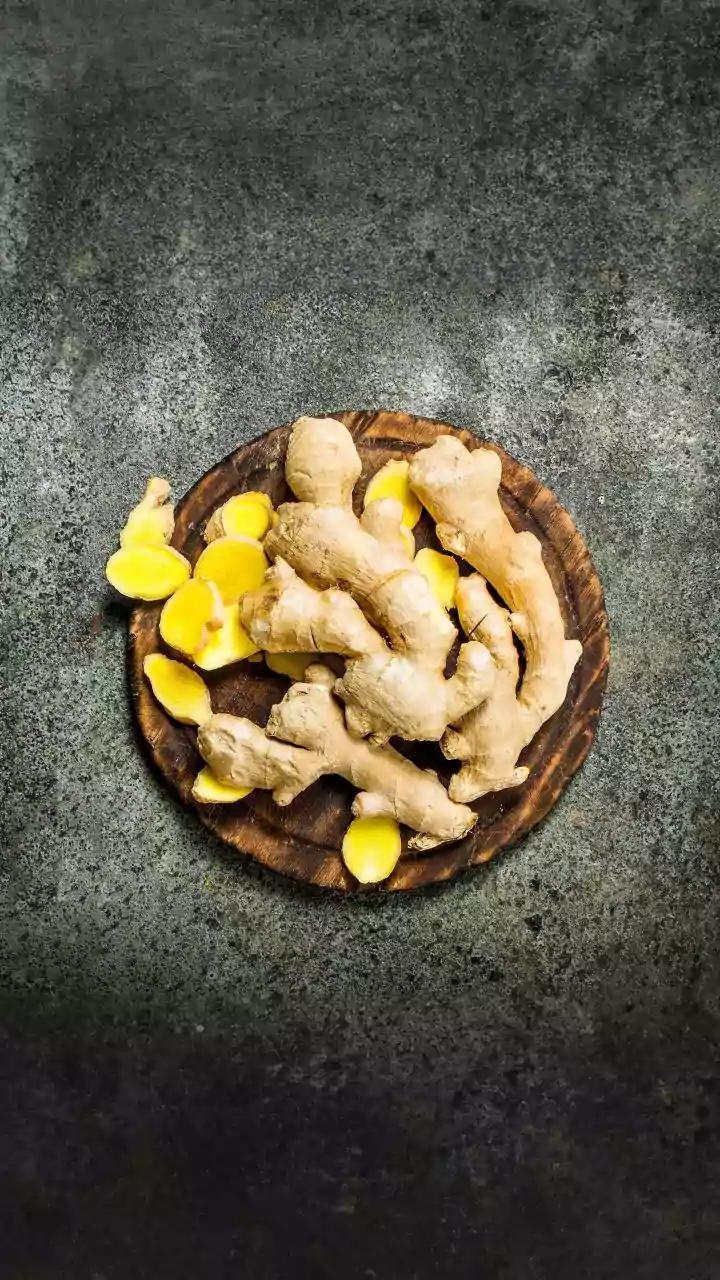
To get the most aromatic experience, you need to start with a quality product. When you're at the market, look for ginger root that is firm, heavy for its size, and has smooth, taut skin. Avoid pieces that are soft, wrinkled, or have mouldy spots, as these are signs of age and they will have lost much of their flavour and aromatic potency. Younger ginger has a thinner, paler skin and is often more tender and juicy. You don't need to buy a huge piece; a small, fresh knob is more than enough for several dishes and ensures you're always using it at its peak.
How to Keep Your Ginger Fresh
Proper storage is key to preserving that fresh aroma. For short-term use (up to a few weeks), you can store an unpeeled knob of ginger in an airtight bag or container in the crisper drawer of your refrigerator. For longer-term storage, the freezer is your best friend. You can freeze the ginger root whole and unpeeled in a freezer-safe bag. An amazing kitchen hack is that frozen ginger is often easier to grate; you don't even need to peel it first. Simply take it out, grate what you need for your recipe, and pop the rest back in the freezer. It will keep its potent flavour for up to six months.
Unlocking the Full Aroma
How you prepare ginger matters. To release the maximum amount of its aromatic oils, you need to break down its fibrous structure. Grating fresh ginger with a microplane or fine grater is the most effective way to do this. This creates a pulp that melts seamlessly into sauces, marinades, and dressings, distributing its bright flavour evenly. Mincing with a sharp knife is another good option, especially for stir-fries where you want small, distinct pieces of ginger. If you're just infusing a liquid like a soup or tea, you can simply slice the ginger, as the hot liquid will extract its flavour over time.
When Ground Ginger Is the Better Choice
While fresh ginger wins for aroma, ground ginger has its own strengths and is the superior choice in certain situations. Its dry, powdery consistency makes it ideal for baking, as it blends evenly with flour in recipes like gingerbread, cookies, and spice cakes without adding extra moisture. It's also perfect for dry rubs and spice blends for the same reason. Because its flavour is more stable during long cooking times, ground ginger is a good choice for stews and some curries where the bright notes of fresh ginger might fade. Some chefs even use both: ground ginger early in the cooking process for a warm base, and a touch of fresh ginger at the end for a burst of bright aroma.