


Seeing the Universe in a New Light
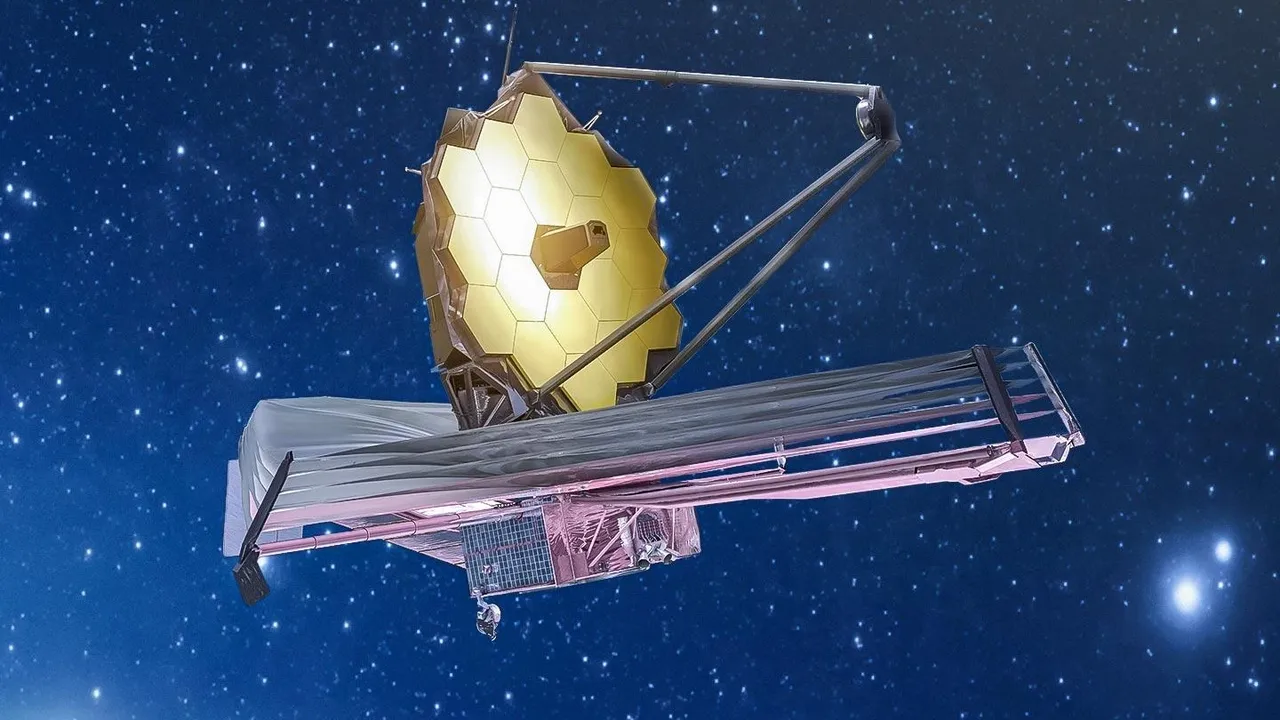
To understand Webb's power, you first have to think about light. The visible light our eyes can see is just a tiny fraction of the total light spectrum. Beyond the red light we can perceive lies infrared, a lower-energy wavelength that we experience as
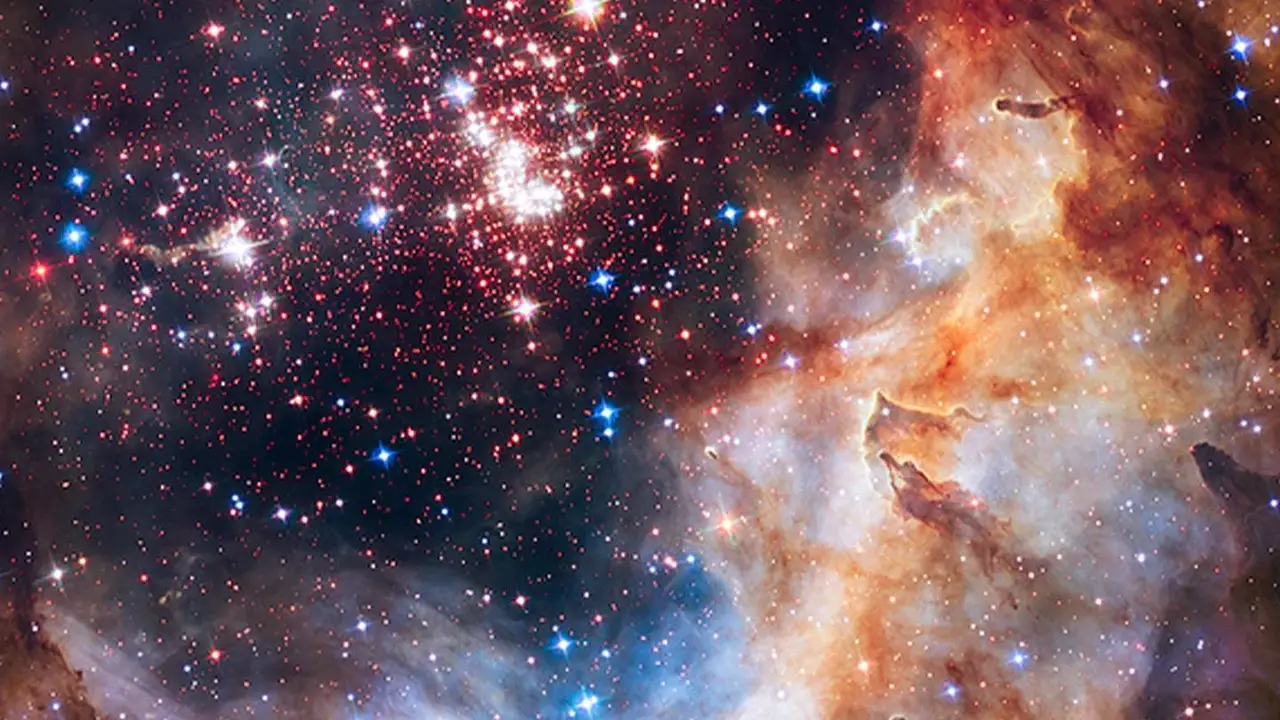
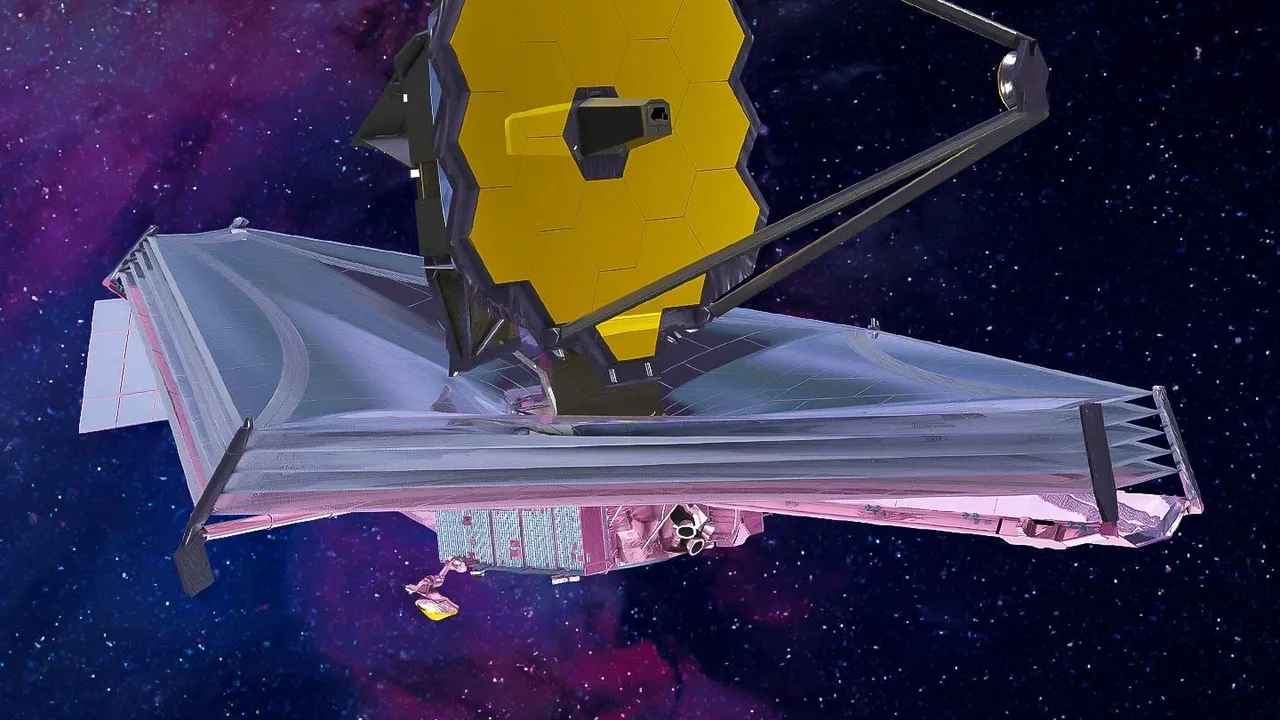
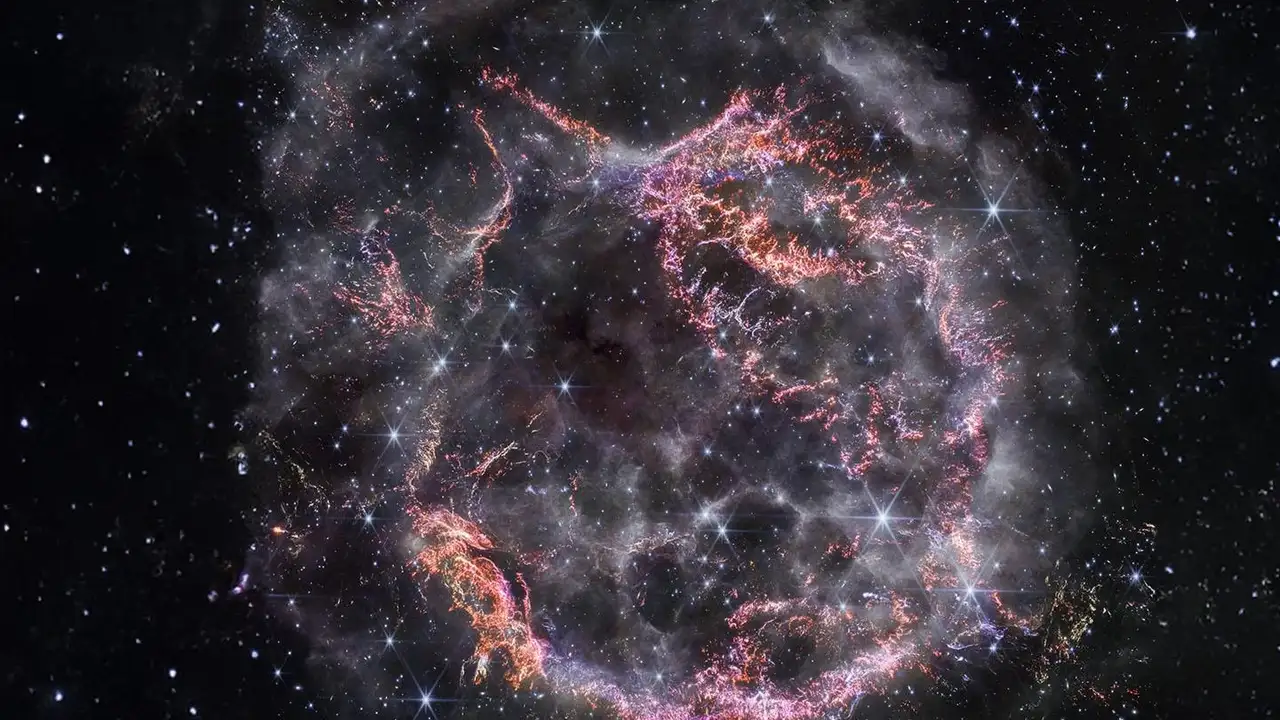
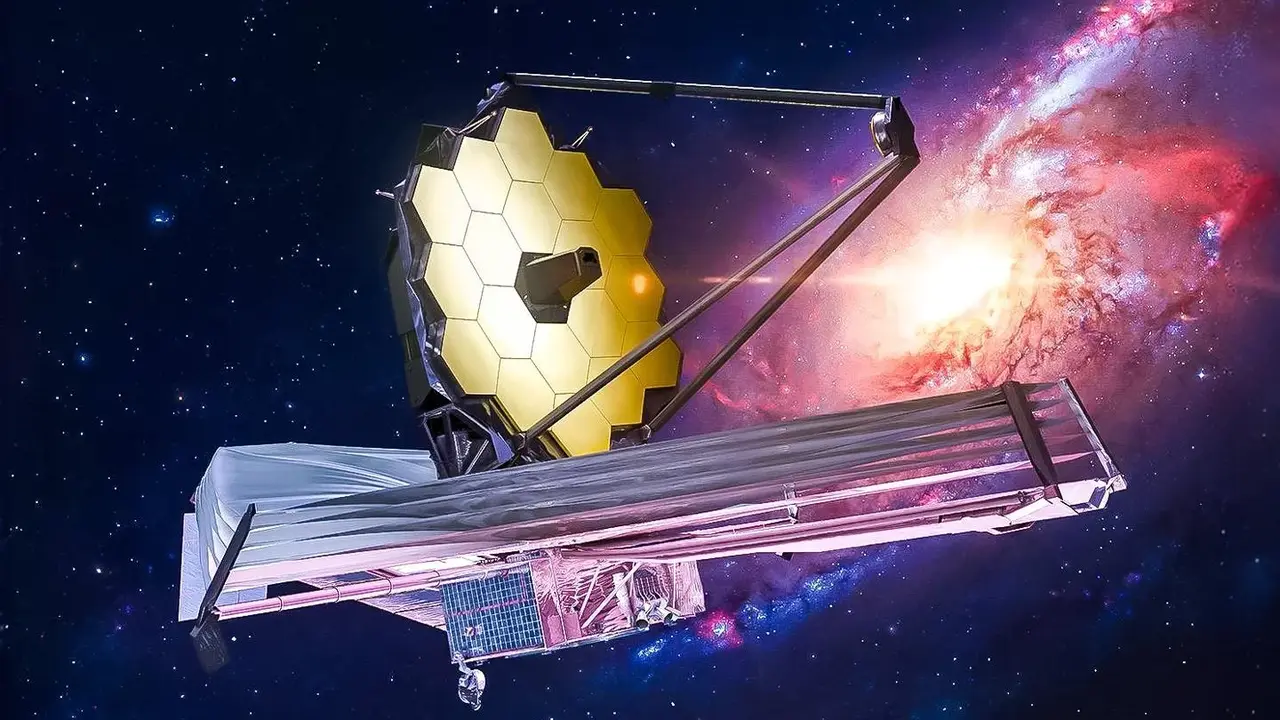
heat. While our eyes can't see it, much of the universe is glowing in infrared. Many objects, like forming stars and planets or the cold gas and dust drifting between them, are too cool to radiate in visible light but still emit a faint infrared glow. Infrared telescopes can pierce through the dense clouds of cosmic dust that would normally block visible light, giving astronomers a clearer view of what's happening inside stellar nurseries or the centers of galaxies. For this reason, putting an infrared observatory in space, above the interference of Earth's own heat-radiating atmosphere, is crucial for getting a clear picture.
How Expansion Stretches Light
Webb’s primary mission is to see the very first stars and galaxies that formed after the Big Bang. This is where infrared becomes essential due to a phenomenon called "cosmological redshift". The universe has been expanding since its birth, and this expansion literally stretches the fabric of space itself. As light from a distant galaxy travels across billions of light-years to reach us, its waves are stretched along with space. Light that may have started as visible or even ultraviolet is elongated into longer, redder wavelengths. For the most distant objects—those from the earliest epochs of the universe—this light has been stretched so much that by the time it reaches Webb’s mirrors, it is firmly in the infrared part of the spectrum. To see the dawn of time, you need infrared eyes.
Webb’s Specialized Infrared Eyes
To capture this ancient light, Webb is equipped with a suite of highly advanced instruments. Its two primary infrared detectors are the Near-Infrared Camera (NIRCam) and the Mid-Infrared Instrument (MIRI). NIRCam is the telescope's main imager, capturing wavelengths from 0.6 to 5 microns to spot the formation of the earliest stars and galaxies. MIRI, which must be kept incredibly cold at just 7 degrees above absolute zero, sees longer mid-infrared wavelengths (5 to 28 microns). This allows it to study cooler objects and see galaxies whose light has been even more extremely redshifted. These instruments don't just take pictures; they also have spectrographs that spread light into a rainbow, allowing scientists to analyse the chemical composition, temperature, and motion of distant objects.
What the First Galaxies Look Like
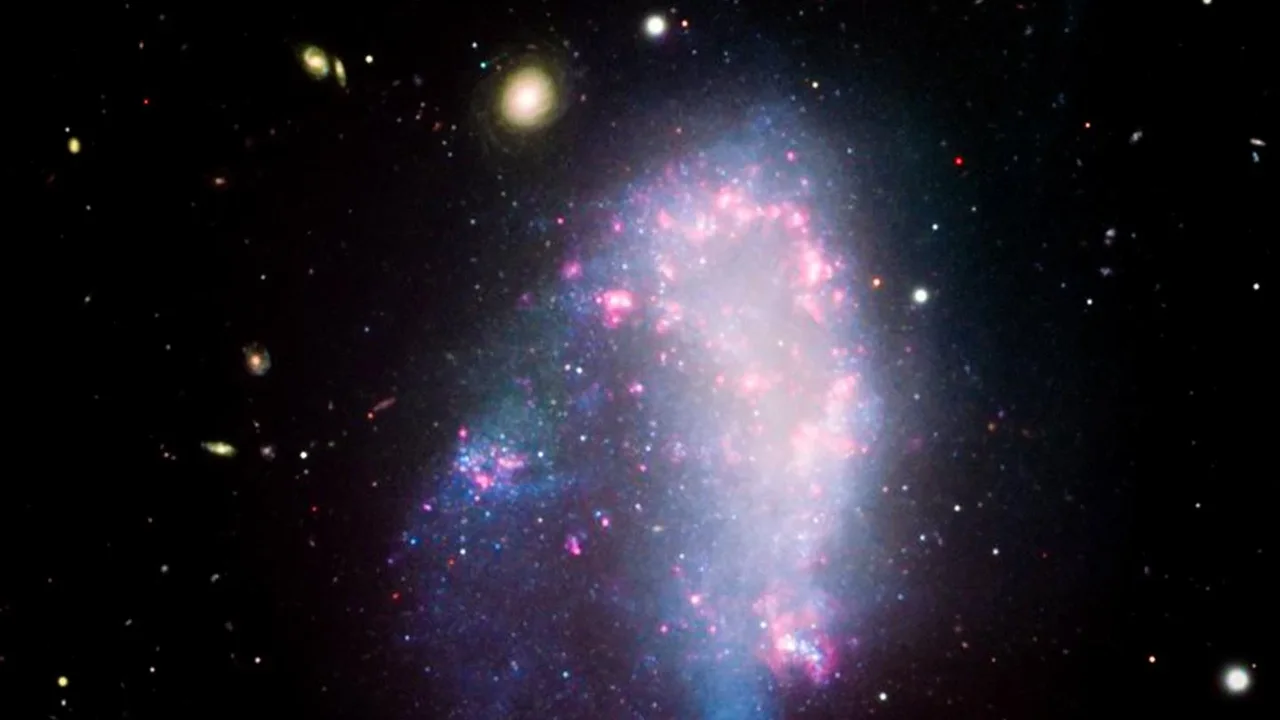
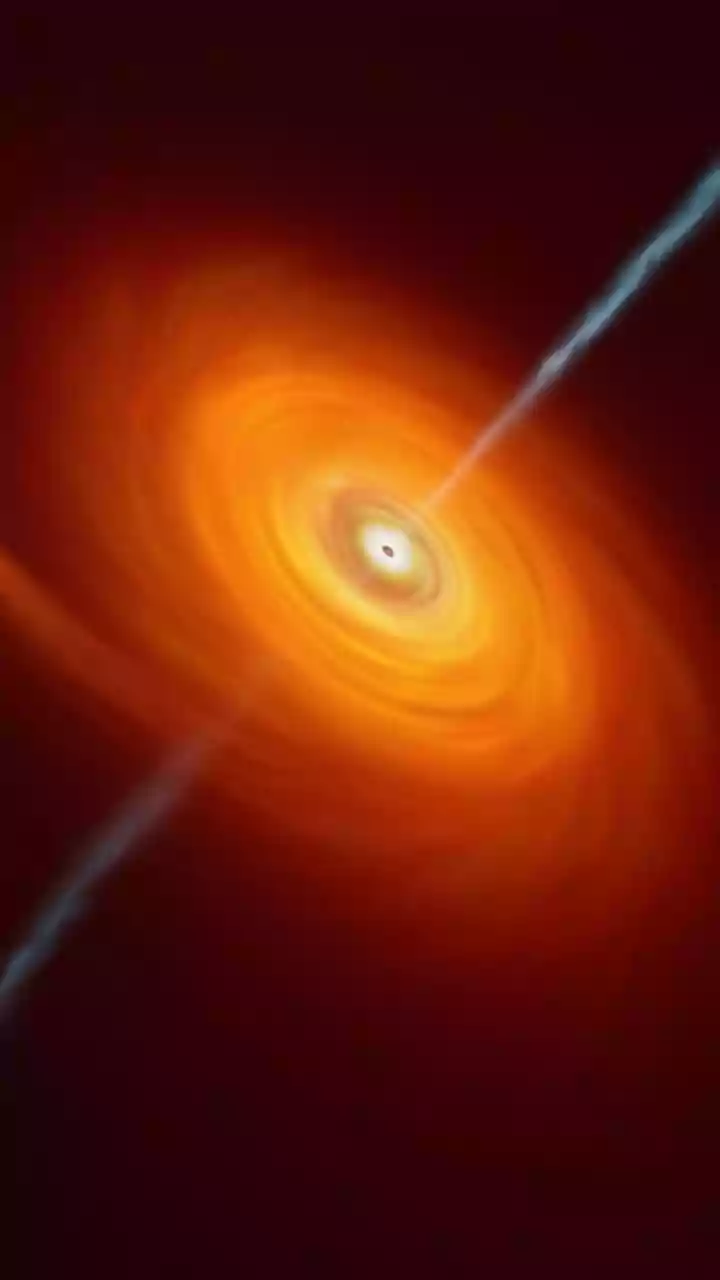
Thanks to these infrared sensors, Webb is revolutionising our understanding of the early cosmos. Scientists are now routinely discovering galaxies that existed when the universe was less than a billion years old. Some recent discoveries involve mysterious "little red dots," which are surprisingly bright objects seen in the very early universe. These could be an entirely new type of object, perhaps powered by supermassive black holes forming much earlier than theories predicted. In one case, researchers identified a candidate for an actively growing supermassive black hole in a galaxy just 570 million years after the Big Bang, challenging existing models of how these cosmic giants form. These early galaxies appear to be more complex and diverse than previously thought, providing crucial puzzle pieces for understanding how structures like our own Milky Way came to be. Each image and spectrum captured by Webb's infrared sensors delivers a clearer picture of our cosmic origins.