
The End of a Two-Horse Race
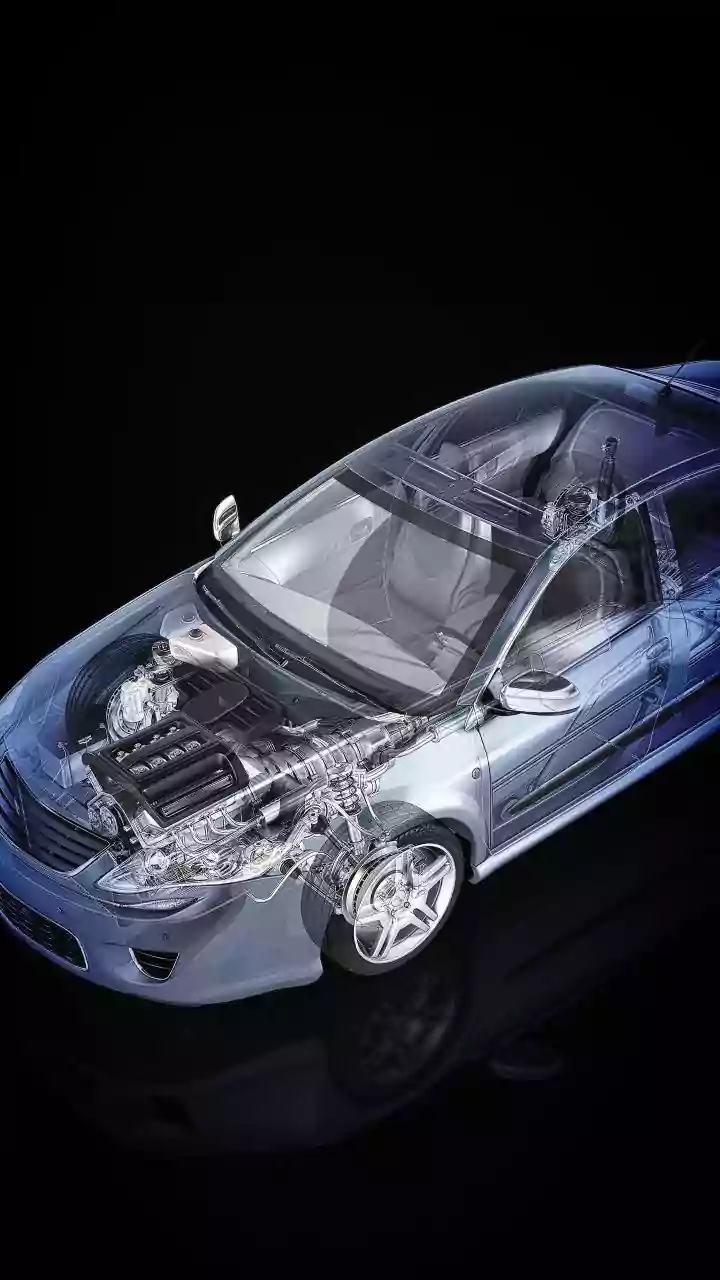
The term 'powertrain' simply refers to the components that make a car move, chiefly the engine or motor. For years, this meant either a petrol or diesel engine. Today, that landscape is diversifying rapidly. In a significant market shift in August 2026,
sales of alternative fuel vehicles—comprising Compressed Natural Gas (CNG), hybrids, and battery electric vehicles (EVs)—collectively surpassed pure petrol cars for the first time. While petrol vehicles still command a large portion of the market, their dominance is waning, with their market share dipping to a record low of 41% in August 2026. This isn't a simple replacement of one fuel with another; it's the dawn of a multi-technology reality where different powertrains cater to different needs and priorities.
Electric Vehicles: The High-Growth Story
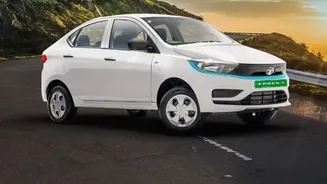
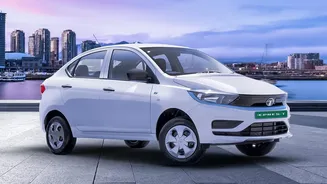
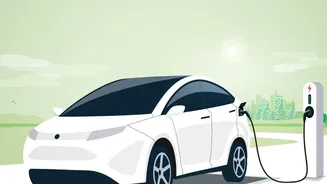
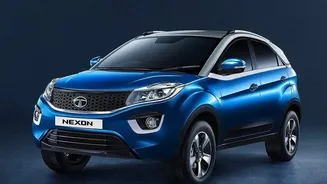
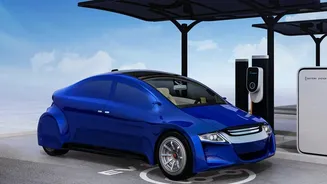
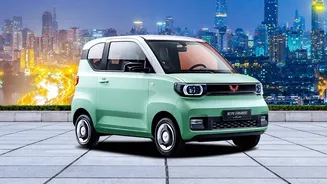
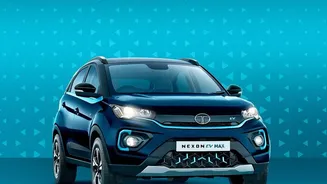
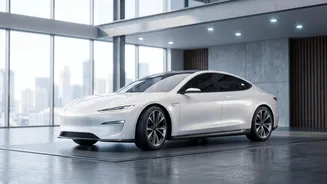
Electric vehicles are undoubtedly the stars of this new era, showing explosive growth. Spurred by government incentives, falling battery costs, and a growing charging network, EV sales have surged. In June 2026, monthly electric car sales in India crossed the 30,000-unit mark for the first time, a year-on-year growth of over 100%. Automakers like Tata Motors and Mahindra are leading this charge. Tata Motors commands a significant market share, aiming for over 30% of its sales to come from EVs by fiscal year 2031. Government policies such as the PM E-DRIVE scheme, which replaced the earlier FAME II program, continue to support this transition by offering subsidies and investing heavily in charging infrastructure. With tax benefits like a lower 5% GST on EVs, the financial case for going electric is becoming stronger for many consumers.
Hybrids: The Practical Middle Ground
For buyers not yet ready to commit to a fully electric future, hybrid cars have emerged as a compelling bridge technology. Combining a petrol engine with an electric motor, they offer significantly better fuel efficiency without the range anxiety associated with EVs. This segment is dominated by Toyota and Maruti Suzuki, whose shared technology powers popular models like the Toyota Innova Hycross and Maruti Suzuki Grand Vitara. These 'strong hybrids' can run on pure electric power at low speeds, drastically cutting fuel use in city traffic. While the overall market share for hybrids remains modest, they serve a crucial role for consumers seeking immediate fuel savings without changing their usage habits. Suzuki has also confirmed plans for new series-hybrid systems for its compact cars, signaling a deeper commitment to this technology.
CNG: The Undisputed King of Running Costs
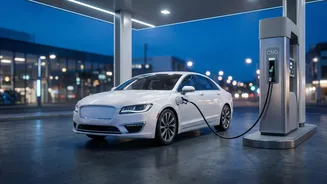
While EVs and hybrids grab headlines, CNG has quietly become a mainstream powerhouse. Driven by a clear cost advantage over petrol, CNG's market share has climbed to a record high of 25%, making it the most popular alternative fuel by a wide margin. In August 2026 alone, CNG car sales grew by over 46% year-on-year. Maruti Suzuki remains the dominant player, but other manufacturers like Tata Motors are expanding their CNG offerings, including in popular SUV models. For millions of budget-conscious buyers, especially in the face of fluctuating petrol prices, the lower running cost of a factory-fitted CNG car is an unbeatable proposition, cementing its place as a pillar of India's diverse powertrain market.
What This Means for the Indian Car Buyer
This diversification brings both opportunity and complexity for consumers. The choice is no longer just about the sticker price and features. Buyers must now weigh factors like daily commute distance, access to charging or CNG stations, long-term running costs, and potential resale value. Government regulations are also accelerating this shift. The upcoming Corporate Average Fuel Economy (CAFE) 3 norms, effective April 2027, will push manufacturers to sell more fuel-efficient and electric vehicles by offering 'super-credits' for EVs and hybrids. This means automakers will be even more motivated to offer a wide range of powertrains. The future isn't a single path to electrification; it's a co-existence of technologies. This gives Indian consumers unprecedented power to choose a vehicle that truly fits their life, budget, and priorities.