






The Double Threat: More Than Just the Heat
For dairy animals, especially high-yielding crossbred cows, high temperatures are a known enemy. But heat alone doesn't tell the full story. The real danger lies in the combination of heat and humidity, a measure known as the Temperature-Humidity Index
(THI). When humidity is high, an animal's ability to cool itself through sweating and panting becomes less effective. Think of it like a person sweating on a humid day—the sweat doesn't evaporate, providing little relief. A THI value above 72 is considered the threshold for stress in cattle, a level frequently surpassed across major Indian dairy states like Uttar Pradesh, Maharashtra, and Rajasthan during summer and monsoon. Studies show that when temperatures exceed 38°C with humidity over 70%, the impact on milk yield can be catastrophic.
How Heat Stress Affects the Animal
When a cow or buffalo cannot dissipate heat, its body goes into survival mode. Energy is diverted from productive functions like making milk to thermoregulation—the effort to simply stay cool. The immediate behavioural signs include reduced feed intake, increased water consumption, rapid breathing, and preferring to stand rather than lie down. Physiologically, this stress disrupts the animal's hormonal balance, which not only affects lactation but also reproductive health, leading to lower conception rates and fertility problems. Furthermore, prolonged heat stress weakens the animal's immune system, making it more vulnerable to diseases like mastitis (udder infection) and parasitic infections, which thrive in warm, humid conditions.
The Ripple Effect on Milk Production and Quality
The most direct consequence for farmers is a drop in milk production. Stressed animals eat less, and the energy they do consume is used for cooling, not production. This can lead to milk yield reductions of 20-30% during periods of intense heat stress. Some studies have reported drops of up to 25% during peak summer in states like Maharashtra. It's not just the quantity that suffers; the quality of the milk is also compromised. Heat stress can lower the fat and protein content, which directly impacts the price a farmer receives in the market. The increased incidence of udder infections due to weakened immunity also leads to higher somatic cell counts in milk, a key indicator of poor quality.
An Economic Blow to a Vital Sector
India is the world's largest milk producer, with the dairy sector supporting over 80 million farming households and contributing significantly to the national GDP. The economic impact of heat stress is therefore substantial. Estimates suggest that India already faces annual milk losses of over 3 million tonnes due to heat, costing thousands of crores. This burden falls heaviest on small and marginal farmers who form the backbone of the industry. They often lack the resources to invest in expensive cooling infrastructure like fans or sprinkler systems. For them, lower milk income is compounded by higher veterinary bills and, in extreme cases, the loss of productive animals, threatening their very livelihood.
What Can Be Done? Mitigation and Adaptation
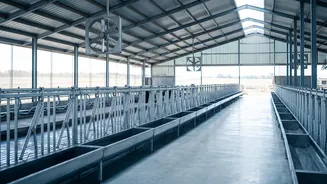
Fortunately, there are strategies to combat heat stress. Simple, low-cost solutions include providing adequate shade using trees or nets and ensuring a constant supply of clean, cool drinking water. Modifying the animal's immediate environment is key. This can involve installing fans for air circulation and using sprinklers or misters to provide evaporative cooling. Adjusting feeding schedules to the cooler parts of the day can encourage intake, while dietary supplements can help animals cope. In the long term, promoting indigenous cattle breeds like the Gir and Sahiwal, which are naturally more heat-tolerant than many crossbred varieties, is a crucial step towards building a more climate-resilient dairy sector.