




The Post-Monsoon Paradise Rush
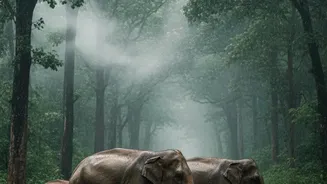
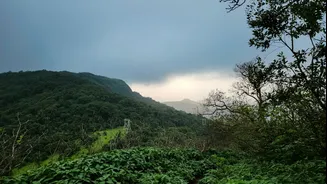
November marks the unofficial start of the prime wildlife-watching season across India. After months of rain, the forests are vibrant and green, waterholes are full, and the scorching summer heat has been replaced by pleasant, cool weather. Many national
parks, like Dudhwa, reopen their gates around November 15th after closing for the monsoon season when safari routes become impassable. This combination of ideal climate and refreshed landscapes creates a powerful allure for domestic and international tourists alike, leading to a significant surge in visitors hoping to spot tigers, elephants, and rare birds. This annual influx, while economically beneficial, places immense pressure on the animals and their habitats, making effective management essential for their survival.
The 'Carrying Capacity' Mandate
One of the most critical rules is the concept of 'carrying capacity'. Sanctuaries don't have an open-door policy; instead, they strictly limit the number of safari vehicles and visitors allowed inside at any given time. The National Tiger Conservation Authority (NTCA) has been instrumental in creating guidelines that suggest tourism should be restricted to about 20% of a tiger reserve's core area. This regulation prevents the overcrowding that can cause immense stress to wildlife. Studies have shown that a high volume of vehicles and human activity can elevate stress hormones in animals like tigers, which can negatively impact their health and reproductive success over the long term. By capping visitor numbers, sanctuaries ensure that animal behaviour is not significantly disturbed and the wilderness experience remains authentic for tourists.
Zoning for Protection
Not all parts of a sanctuary are treated equally. Park authorities use a zoning system, dividing the area into a core zone, a buffer zone, and a tourism zone. The core zone is a critical, inviolate habitat meant exclusively for wildlife, free from human disturbance. This is where breeding and raising young often occurs. Tourism is generally restricted to the designated tourism zones within the larger buffer area that surrounds the core. This strategy is a cornerstone of conservation, as it protects the most sensitive parts of the ecosystem while still allowing for regulated tourist activity in other areas. It strikes a balance between providing access for appreciation and ensuring the long-term survival of the species that live there.
The Role of Trained Guides and Naturalists
Sustainable tourism isn't just about limiting numbers; it's also about education and enforcement on the ground. A mandatory rule in most protected areas is that every tourist vehicle must be accompanied by an authorised local guide or naturalist. These individuals are more than just wildlife spotters; they are the guardians of the park's rules. They ensure that vehicles stick to designated routes, maintain a safe and respectful distance from animals, and prevent visitors from littering, making excessive noise, or feeding wildlife. This practice also serves a vital socio-economic purpose. It provides direct employment and income to local communities, giving them a tangible stake in conservation. When locals benefit directly from tourism, they become powerful advocates for protecting the very wildlife that attracts visitors.
A 'Leave No Trace' Philosophy
Beyond the big rules, a successful ecotourism framework is built on a philosophy of minimal impact. Strict regulations against littering, carrying plastics, playing music, or even using a mobile phone are common. These aren't just for show; they are based on ecological science. Noise pollution can disrupt animal communication and hunting patterns, while plastic waste can be ingested by animals or leach toxins into the soil and water. The guiding principle is to 'leave no trace', ensuring that the habitat remains as pristine as possible. Tourists are encouraged to become conscious visitors who understand that their responsible behaviour is a direct contribution to conservation, helping to preserve the environment they came to enjoy.