





An Unprecedented Tourism Boom
The numbers tell a remarkable story. In 2019, around 100,000 Indian tourists visited Vietnam. By 2025, that figure had skyrocketed to nearly 750,000, and the first quarter of 2026 saw a 169% increase over the same period the previous year. This explosion
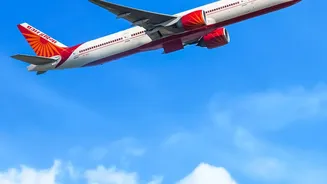
is fueled by a combination of factors: an easy e-visa policy, the launch of numerous direct flights from cities like Delhi, Mumbai, and Ahmedabad, and the country's reputation for being both beautiful and affordable. As a result, India has quickly become one of Vietnam's most important tourism markets, prompting a swift and strategic response from those on the ground.
The All-Important Culinary Shift
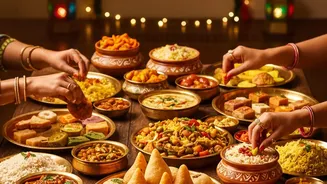
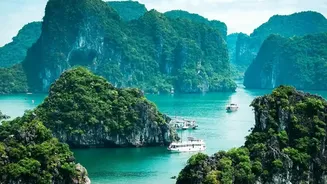
For many Indian travellers, food is a primary concern. A decade ago, finding suitable vegetarian or Jain food in Vietnam was a challenge. Today, the landscape is transformed. Tour guides and operators now know that culinary assurance is non-negotiable. Major tourist hubs like Hanoi, Da Nang, and Ho Chi Minh City now boast a growing number of dedicated Indian and pure-vegetarian restaurants. Guides are adept at steering their groups towards establishments like 'Gujarat Indian Restaurant' in Da Nang or 'Baba's Kitchen' in Ho Chi Minh City. Hotels catering to Indian groups now routinely offer separate meal tracks, including vegetarian, Jain (no onion or garlic), and Halal options. Even on excursions like Ha Long Bay cruises, pre-packaged vegetarian meals are becoming a standard part of the service, ensuring no one goes hungry.
Crafting the Perfect Indian Itinerary
Understanding what Indian tourists want to see and do has been key. Local guides have learned that while historical sites are of interest, the priorities often lie elsewhere. There is a high demand for scenic locations perfect for photography, like the iconic Golden Bridge in the Ba Na Hills or the lantern-lit streets of Hoi An. Shopping, vibrant nightlife, and family-friendly entertainment are also top priorities. Itineraries are now frequently built around a 'hub and spoke' model, using cities with strong Indian food infrastructure like Hanoi and Da Nang as bases for excursions. This ensures travellers can enjoy the country's highlights without straying too far from their comfort zone, particularly when it comes to meals. This shift shows a deep understanding of the market, moving beyond a one-size-fits-all approach to tourism.
Beyond Logistics: The Cultural Connection
The most successful adaptations go beyond food and sightseeing. Guides are developing a nuanced understanding of Indian cultural preferences. They recognize that many Indians travel in large, multi-generational family groups and require services that cater to all ages. There's an appreciation for the cultural similarities that resonate with Indian visitors, such as strong family values and a social fabric built around community and respect. While learning a few words of Hindi is a welcoming gesture, the real skill lies in understanding unspoken needs. This could mean knowing the best spots for a family photo, being patient during shopping excursions, or simply creating an atmosphere where travelers feel understood and at home, even in a foreign land. It's this personal touch that turns a good holiday into a great one.