





The New Kirana Is in Your Pocket
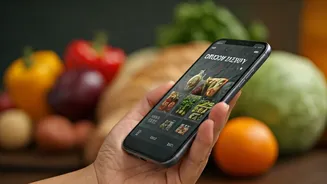
The weekly trip to the supermarket is rapidly being replaced by multiple, small, on-demand orders. India's online grocery market has exploded, projected to be worth around $26 billion in 2026, a massive leap from just $4 billion in 2020. The engine of
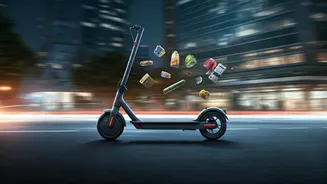
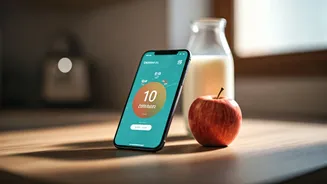
this growth is "quick commerce," a retail segment promising deliveries in 10 to 15 minutes. Platforms like Blinkit, Swiggy Instamart, and Zepto have become household names, leading a transformation in urban consumer behaviour. This isn't just a niche for tech-savvy millennials anymore; it's a mainstream phenomenon, with an estimated 180 million Indians having ordered groceries online in 2024.
From Pandemic Push to Permanent Habit
While the COVID-19 pandemic undoubtedly accelerated the adoption of online groceries out of necessity, the shift has proven to be permanent. Consumers who were initially drawn to the safety and convenience of contactless delivery have stayed for the sheer efficiency. The habit has stuck because it solves a fundamental urban problem: lack of time. Quick commerce has effectively eliminated the need for meal planning and large, weekly grocery runs. Instead, households are shifting to frequent, on-demand micro-purchases, ordering items as and when the need arises. This behavioural change from planned stock-ups to impulsive, need-based buying is what embeds these apps into our daily routines, turning a conscious choice into subconscious muscle memory.
Behind the 10-Minute Promise
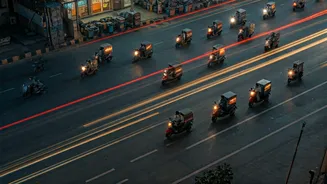
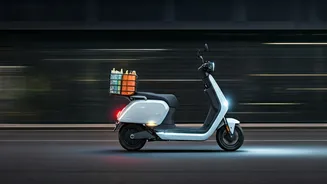
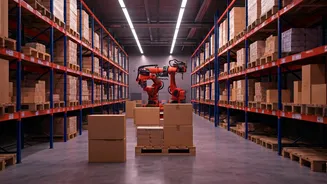
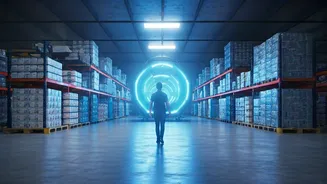
The magic of a 10-minute delivery isn't magic at all; it's a finely tuned logistics network. The model runs on "dark stores," which are small, customer-inaccessible warehouses strategically placed in dense residential neighbourhoods. When an order is placed, an employee inside the dark store—which stocks a curated inventory of high-demand items—picks and packs it within minutes. A delivery rider, already waiting, then zips to the customer's location, usually less than two kilometres away. Leading players operate hundreds of these dark stores across major cities, with Blinkit alone aiming for 3,000 stores by 2027. This hyperlocal infrastructure is the backbone that makes the instant delivery promise a reality.
The Unseen Costs of Convenience
This convenience revolution is not without its casualties. The rapid rise of quick commerce has placed immense pressure on traditional, family-run kirana stores. Some reports indicate that tens of thousands of these small shops have shut down in metro cities, unable to compete with the aggressive pricing, deep discounts, and speed of delivery offered by heavily funded platforms. The All India Consumer Products Distributors Federation (AICPDF) reported that around 200,000 kirana stores closed in the past year due to this competition. While some stores are adapting by partnering with platforms like JioMart or digitising their operations, many are struggling with reduced footfall and declining sales. This disruption highlights the complex economic trade-offs of the q-commerce boom.
The Future Is Faster and Wider
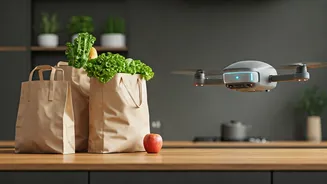
The evolution of grocery apps is far from over. Having conquered groceries, these platforms are rapidly expanding into other categories like electronics, beauty products, stationery, and even over-the-counter medicines. The goal is to become the default app for all immediate urban needs. The next major frontier is expansion into Tier 2 and Tier 3 cities, where a new wave of hundreds of millions of users awaits. As these platforms mature, the focus is shifting from pure growth to profitability, with leaders like Blinkit already reporting operational profits. This signals that quick commerce is no longer an experiment but a sustainable and structural part of India's digital economy.