





Unpredictable Monsoon on the Horizon
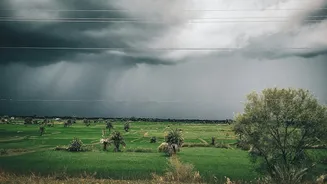
The India Meteorological Department (IMD) has indicated that the northeast monsoon is set to begin around October 15. This season, which lasts from October to December, is the primary source of rain for several southern states, including Tamil Nadu, Kerala,
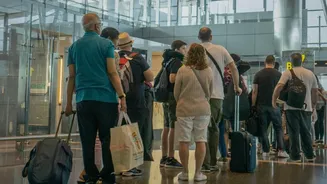
coastal Andhra Pradesh, and parts of Karnataka. Forecasts for this year predict a varied and potentially intense season, with some regions expecting moderate to heavy rainfall between October 14 and 20. Isolated heavy downpours are anticipated in Kerala, Tamil Nadu, and coastal Karnataka from October 15 onwards. Such weather can lead to travel disruptions, including waterlogging on roads, flight delays, and the need to alter sightseeing itineraries, making advance planning more important than ever.
What 'Flexi-Booking' Actually Means
Flexible booking, also called a 'flexi fare' or 'open ticket', is a type of reservation for flights, hotels, or even trains that allows you to change or cancel your plans with fewer penalties than a standard, non-refundable booking. For a slightly higher upfront cost, you gain the ability to adjust your travel dates or times, often paying only the fare difference if your new ticket is more expensive. These options have become increasingly popular as they provide a safety net against unforeseen events, such as sudden weather changes. Airlines like Air India and IndiGo offer specific 'Flex' fare categories that come with benefits like lower change fees or even free rescheduling within a certain timeframe.
The Peace of Mind Advantage
The primary benefit of choosing a flexible booking is peace of mind. Knowing you can change your plans without losing your entire investment is a significant advantage when travelling during a season known for erratic weather. If heavy rains are forecast for your destination, a flexi-booking allows you to postpone your trip to a later date without incurring hefty cancellation charges. For hotels, a flexible rate means you can cancel, often up to 24 or 48 hours before check-in, and receive a full refund. This also gives you the opportunity to re-book if you find a better rate closer to your travel date. This adaptability prevents a dream holiday from turning into a financial loss due to circumstances beyond your control.
How to Secure Flexible Travel
When booking your travel, actively look for flexible options. Most airline websites and travel aggregators now have filters that allow you to see 'flexible' or 'refundable' fares. Be sure to read the terms and conditions carefully. Understand the deadline for making changes—some fares allow changes up to a few hours before departure, while others require a 72-hour notice. Note whether a cancellation provides a cash refund or a travel credit for future use. For hotels, select the 'Free Cancellation' or 'Pay at Hotel' option. While these rates might seem marginally more expensive than 'non-refundable' ones, the small premium is a worthwhile investment for the freedom it provides, especially when the weather forecast is uncertain.
An Extra Layer: Travel Insurance
While flexi-bookings offer a great deal of protection, they don't cover everything. For comprehensive coverage, consider purchasing travel insurance. Many policies offer trip cancellation and trip interruption benefits that can reimburse you for non-refundable prepaid costs if your journey is cancelled or cut short due to severe weather. Some policies specifically cover flight delays and cancellations due to weather-related disruptions. For the ultimate protection, a 'Cancel For Any Reason' (CFAR) add-on allows you to cancel your trip for reasons not typically covered and get a partial refund, though this usually needs to be purchased within a few weeks of your initial booking.