
The Two Types of Iron
Before diving into the solution, it’s helpful to understand the problem. Iron in our diet comes in two forms: heme and non-heme. Heme iron, found in animal products like meat, poultry, and fish, is easily absorbed by the body. Non-heme iron, however,
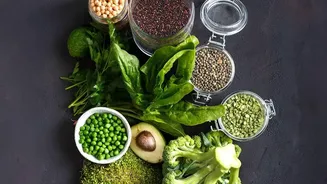
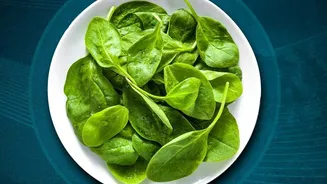
is found in plant-based foods such as leafy greens, beans, lentils, and nuts. While abundant, this type of iron is significantly harder for our bodies to absorb. This is because non-heme iron is primarily in a form known as ferric iron (Fe3+), which is not as readily taken up by our intestinal cells. This absorption challenge is why some people on vegetarian or vegan diets need to be more strategic about their iron intake.
Vitamin C: The Ultimate Iron Enhancer
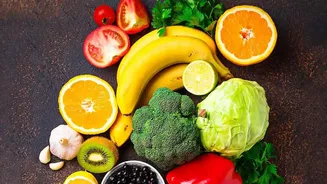
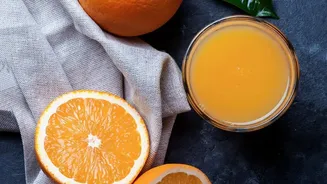
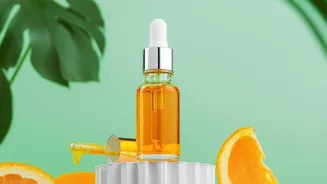
This is where vitamin C, or ascorbic acid, comes to the rescue. Decades of nutritional research confirm that vitamin C is the most potent natural enhancer of non-heme iron absorption. When you consume vitamin C with a source of non-heme iron, it works its magic in two key ways. First, it helps convert the hard-to-absorb ferric iron (Fe3+) into the much more soluble and bioavailable ferrous iron (Fe2+). Second, it forms a soluble complex with the iron, which keeps it available for absorption as it moves through your digestive system. Studies have shown that this simple pairing can increase iron absorption significantly, with some research suggesting it can boost uptake by two to five times, depending on the meal's composition. The headline's claim of 'doubling' is well within the realm of possibility and can even be an understatement in some cases.
Perfect Pairings for Your Plate
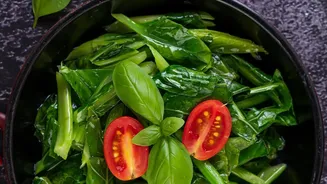
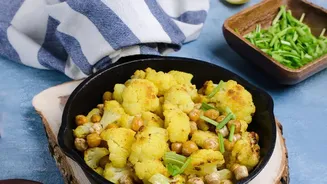
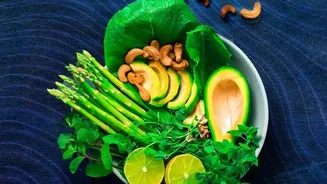
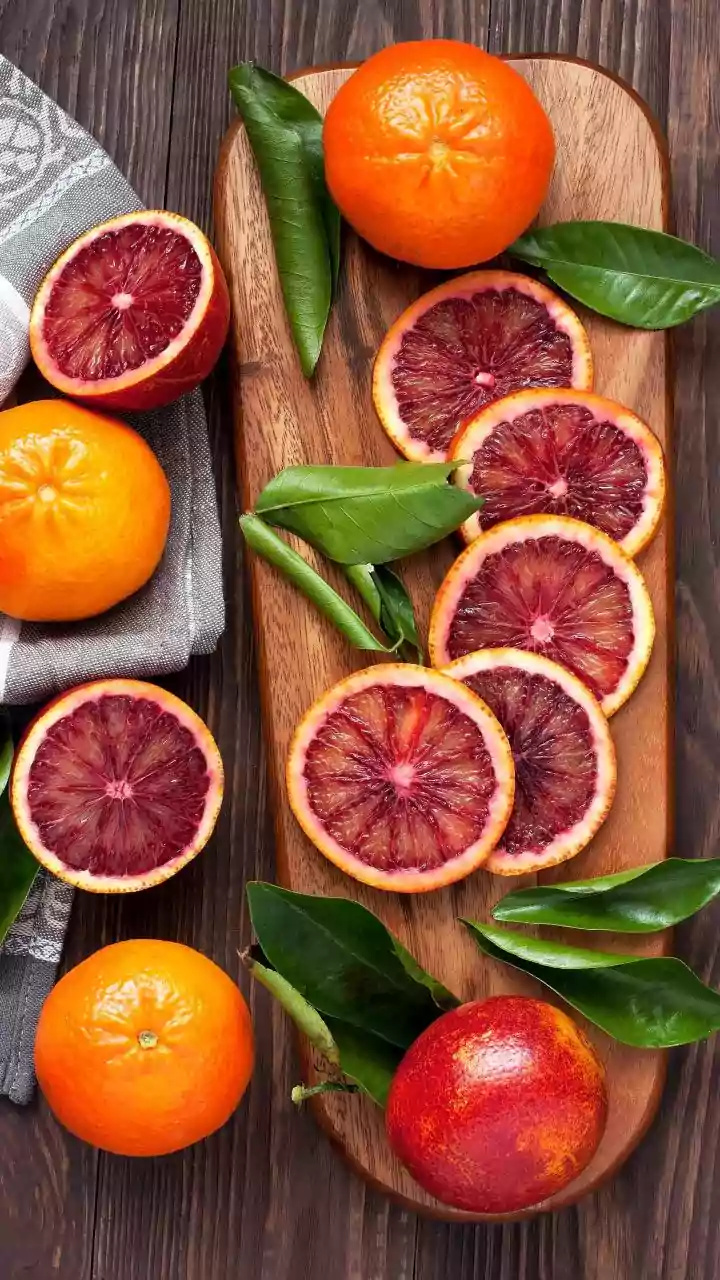
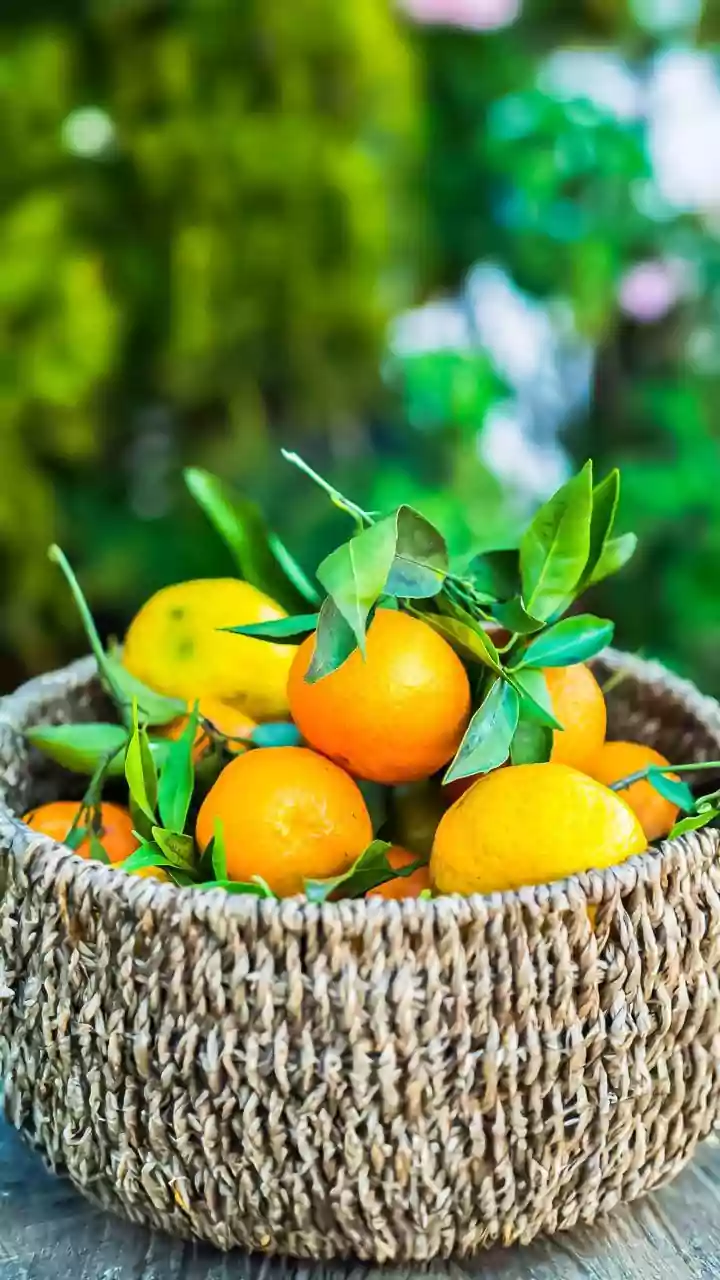
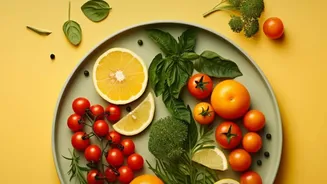
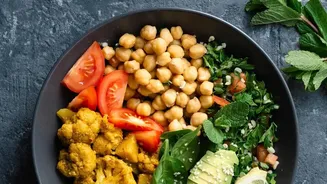
Putting this knowledge into practice is both easy and delicious. The headline highlights a classic combination: squeezing citrus juice over leafy greens. A spinach salad with a lemon or orange vinaigrette is a perfect example. But the possibilities are endless. Think beyond just salads and citrus. Here are some effective and tasty pairings to get you started: Lentil Soup with a Twist: Add a generous squeeze of fresh lemon juice to your lentil soup just before serving. Bean Burritos with Salsa: Combine iron-rich black beans with fresh tomato salsa, a great source of vitamin C. Stir-fry Power: Toss broccoli and red bell peppers (both high in vitamin C) into a stir-fry with tofu or chickpeas. * Hearty Stews: Add tomatoes and potatoes to bean or lentil stews for a warming, iron-boosting meal.
Beware of Iron Inhibitors
Just as vitamin C can boost iron absorption, other compounds can block it. To get the most from your iron-rich meals, it's wise to be aware of these inhibitors. The main culprits are phytates and polyphenols. Phytates are found in whole grains, legumes, nuts, and seeds. Polyphenols, including tannins, are present in coffee, black tea, green tea, and some herbal teas. Consuming these with your iron-rich meals can reduce iron absorption by 50% or more. Does this mean you should avoid these healthy foods? Not at all. Simply try to consume your coffee or tea at least an hour before or after your iron-heavy meals rather than with them. Soaking, sprouting, or fermenting grains and legumes can also help reduce their phytate content, further improving nutrient absorption.