




A Land of Bygone Grandeur
The story of Chettinad is the story of the Nattukottai Chettiars, a prosperous community of bankers and merchants who flourished between the 19th and early 20th centuries. Their trade routes stretched across Southeast Asia, and they funnelled their immense
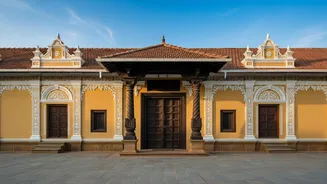
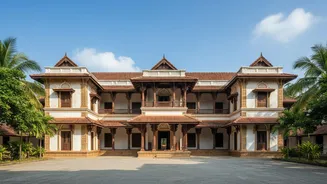
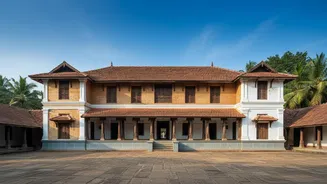
wealth into building thousands of palatial homes across a cluster of villages. These were not mere houses; they were statements. Known as 'nattukottais' or regional forts, these mansions were designed to accommodate large joint families, sometimes with over 50 rooms built around multiple courtyards. They were a breathtaking blend of traditional Tamil layouts and global ambition, showcasing the Chettiars' cosmopolitan worldview.
Architecture as a World Tour
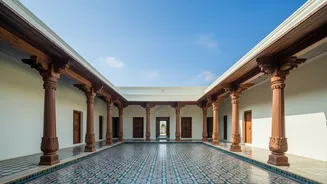
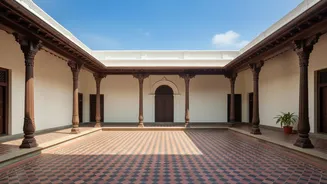
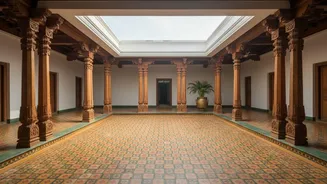
Stepping into a Chettinad mansion is like embarking on a global journey through materials. The Chettiars imported the finest wares to construct their homes. Floors were laid with gleaming Italian marble, doors and massive pillars were carved from resilient Burma teak, and light filtered through Belgian glass. Yet, these foreign luxuries were masterfully integrated with local craftsmanship. The famous hand-made Athangudi tiles, with their vibrant geometric patterns, grace the floors, while walls were often coated in a unique, shell-based lime plaster that gave them a cool, polished finish. This fusion created a distinct architectural style that was both opulent and deeply rooted in its environment.
Sustainability by Design
Long before 'eco-friendly' became a buzzword, Chettinad architecture embodied its principles through intelligent design. The region's hot and humid climate was masterfully managed not by technology, but by architecture. The signature element is the central courtyard, a common feature in traditional Indian homes, which acts as a natural lung for the mansion. These open-to-sky spaces facilitate constant air circulation, creating a natural ventilation system that keeps the interiors cool. Thick walls absorb heat during the day and release it at night, while high ceilings allow hot air to rise, maintaining a comfortable temperature without the need for modern air conditioning. This ancient wisdom makes these buildings inherently sustainable.
A New Chapter of Restoration
After the decline of their trading fortunes post-World War II, many Chettiar families moved away, and their magnificent homes fell into disrepair. For decades, these architectural marvels stood silent. However, a recent wave of interest in heritage and sustainable tourism has sparked a revival. Visionary hoteliers and conservationists are painstakingly restoring these properties, transforming them into boutique heritage hotels and homestays. This process of adaptive reuse is itself a powerful act of sustainability, saving these structures from demolition and preserving the carbon embedded within them. Hotels like The Bangala, Visalam, and Chidambara Vilas are leading examples of how to honour the past while offering modern comfort.
An Authentic Alternative to the Modern Resort
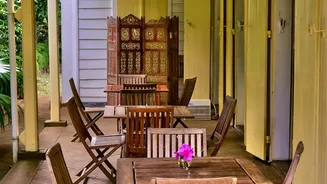
A stay in a restored Chettinad mansion offers an experience that a conventional resort cannot replicate. Instead of generic buffets and standardized rooms, guests are immersed in history and culture. The experience is about waking up surrounded by antique furniture, dining on authentic, famously spicy Chettinad cuisine often served on a banana leaf, and exploring the surrounding villages known for their artisan crafts like tile-making and sari-weaving. It provides a slower, more mindful form of travel that directly supports the local economy and the preservation of a unique cultural legacy. Guests often praise the warm hospitality and the feeling of staying in a living museum, where every corner tells a story.