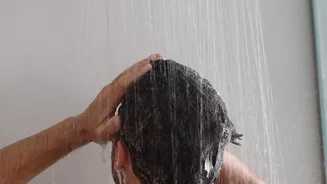






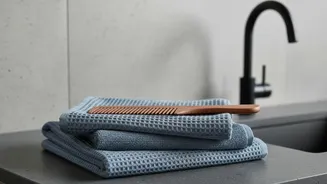


Vigorously Rubbing with a Rough Towel
That vigorous rub-down with a standard terrycloth towel feels effective, but it's one of the biggest culprits behind monsoon frizz and damage. The rough texture creates friction against the hair cuticle—the protective outer layer of each strand. When
wet, your hair is at its most fragile. This aggressive rubbing lifts and shreds that cuticle, leading to a frizzy, dull appearance and making your hair more susceptible to breakage. Instead, gently squeeze excess water out of your hair. Then, use a soft microfiber towel or an old cotton t-shirt to pat your hair dry. This absorbs moisture without roughing up the cuticle, preserving shine and strength.
Tying or Combing Soaking Wet Hair
When you're in a hurry, it's tempting to pull your wet hair into a tight bun or ponytail. This is a damaging habit, especially in humid weather. Wet hair can stretch more than dry hair, and tying it up puts tension on the strands, leading to snapping and breakage. More importantly, a tight, wet hairstyle traps moisture directly against your scalp for hours. This warm, damp environment is the perfect breeding ground for fungus and bacteria, which can cause dandruff, itchiness, and other scalp infections. Similarly, never attack wet hair with a brush. Use your fingers or a wide-tooth comb to gently detangle once your hair is partially dry, starting from the ends and working your way up to the roots to minimize stress.
Skipping Conditioner
If you think conditioner weighs your hair down in the humidity, think again. Skipping it is a major misstep during the monsoon. Humidity causes frizz because dry, porous hair absorbs moisture from the air, causing the hair shaft to swell and the cuticle to lift. Conditioner’s primary job is to smooth and seal that cuticle. By providing a protective layer, it helps block out environmental moisture and keeps the hair shaft smooth and flat. This makes your hair less reactive to the humidity, significantly reducing frizz and improving manageability. Always use a conditioner appropriate for your hair type after shampooing, focusing on the mid-lengths and ends.
Relying Solely on Air-Drying
It seems logical that avoiding heat altogether would be the gentlest option. While air-drying is great in less humid climates, it can backfire during the monsoon. The high moisture content in the air means your hair can take hours to dry completely. When hair remains saturated with water for extended periods, it can lead to a condition called 'hygral fatigue'. The constant swelling and contracting of the hair shaft weakens its internal structure over time. Furthermore, a perpetually damp scalp invites fungal issues. The best approach is a hybrid method: let your hair air-dry until it’s about 70-80% dry, then use a blow-dryer on a low or cool setting to finish the job, focusing on ensuring your scalp is completely dry.
Using High Heat to Speed Things Up
While a blow-dryer is a useful tool in the monsoon, using it on a high-heat setting is counterproductive. Blasting your hair with intense heat might dry it faster, but it also strips the strands of their natural moisture. This flash-drying effect can dehydrate the hair, making it brittle and ironically, even more prone to frizz as it tries to absorb moisture from the humid air. Always use your dryer on the lowest heat or cool-shot setting. It may take a few extra minutes, but this gentle approach dries your hair effectively without causing heat damage. If you must use any heat, always apply a heat-protectant spray first to create a buffer between the heat and your hair.
Going to Bed with Damp Hair
Sleeping with wet or even slightly damp hair is one of the worst things you can do for your hair and scalp health. Your pillowcase traps heat and moisture, creating a literal incubator for fungal and bacterial growth right on your scalp for the several hours you are asleep. This can lead to persistent dandruff, scalp irritation, and folliculitis (infected hair follicles). Beyond scalp issues, the friction from tossing and turning on a pillow can cause significant breakage to your already-vulnerable wet hair strands. Make it a rule to ensure your hair, especially the roots and scalp, is 100% dry before your head hits the pillow.