





Beyond the Comfort Zone
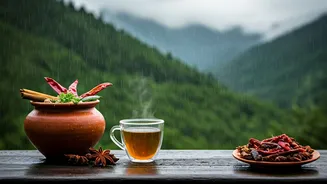
For generations, the Indian monsoon has been synonymous with a specific kind of comfort food. As the rain lashes down, the collective craving for something hot, crispy, and indulgent takes over. Plates of bhajiyas, samosas, and kachoris, paired with steaming
cups of adrak chai, become a national ritual. This food is nostalgic, satisfying, and deeply woven into our cultural fabric. While this tradition isn't going anywhere, a growing number of innovative chefs are looking at the monsoon not as a time for retreat, but as a season of unique culinary opportunity. They're asking a simple question: what if monsoon food could be more than just fried comfort? What if it could be a celebration of ingredients that only appear for these few precious, rainy months?
The Hyper-Seasonal Shift
This new approach is rooted in a philosophy that goes beyond just 'local'. It's 'hyper-seasonal'. The focus is on ingredients that are not just from a nearby farm, but are fleeting gifts of the monsoon ecosystem. Many of these are 'wild'—they aren't cultivated but foraged from forests, hillsides, and grasslands that come alive with the rains. This movement represents a deeper connection to the land and its cycles. It challenges chefs to be more creative and diners to be more adventurous, moving away from a standardised, year-round supply chain. The result is a menu that is dynamic, surprising, and tells a story about a specific time and place. It’s a direct response to the homogenisation of food, offering a taste that is authentic, ephemeral, and impossible to replicate in any other season.
A Forager's Bounty
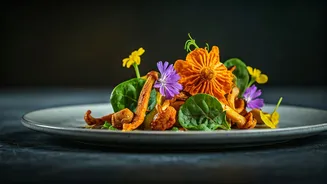
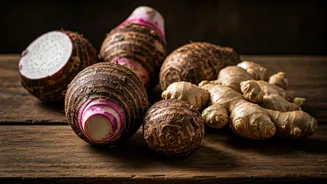
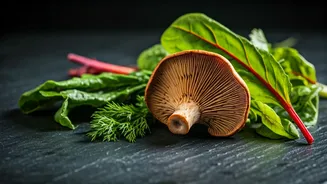
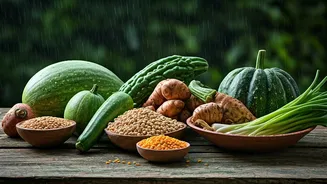
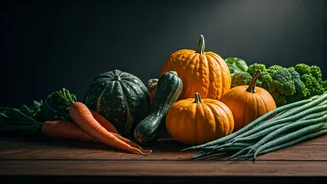
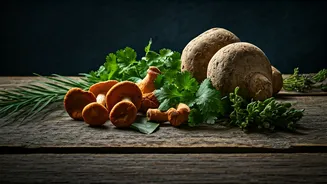
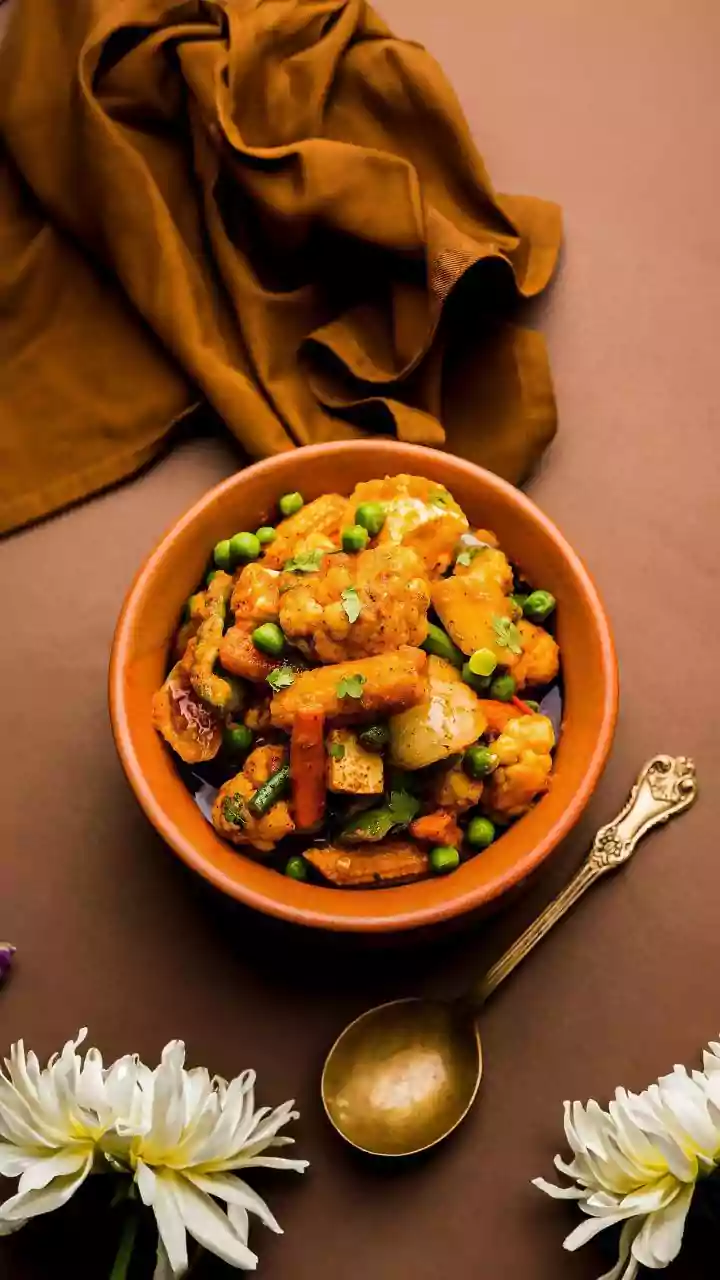
So what exactly are these 'wild' ingredients? The list is as diverse as India's landscape. In the Western Ghats, chefs are sourcing foraged greens like phodshi, a wild grassy vegetable with a delicate, earthy flavour. Spiny gourds, known as kantola or kakora, make a star appearance, prized for their unique texture and nutritional value. From the Himalayan foothills come exotic wild mushrooms, with flavour profiles far more complex than their cultivated cousins. In parts of central and eastern India, edible flowers like moringa and seasonal tubers add texture and novelty to dishes. These ingredients are not just replacements for regular vegetables; they bring entirely new tastes and textures to the table. Think kantola stir-fries instead of potato, phodshi in place of spinach, or a rich wild mushroom curry that captures the essence of a damp forest floor.
Chefs Leading the Charge
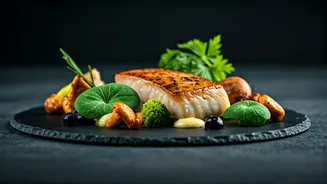
This trend is being championed by a vanguard of chefs in culinary hotspots like Mumbai, Delhi, Goa, and Bengaluru. These culinary artists are working directly with local communities and foragers to bring these ingredients into their fine-dining kitchens. For them, it’s about more than just novelty. It’s an act of preserving biodiversity and celebrating regional culinary heritage. By creating demand for these wild ingredients, they are providing a livelihood for tribal and rural communities who possess generations of knowledge about foraging. Restaurants are transforming these humble ingredients into sophisticated dishes: a delicate phodshi soup, a carpaccio of foraged mushrooms, or a dessert featuring a rare, monsoon-specific berry. They are proving that ingredients once considered 'village food' have a rightful place in modern Indian gastronomy.
A More Sustainable Plate
Ultimately, this shift from 'local' to 'wild' is part of a larger conversation about sustainability in the food industry. Foraging, when done responsibly, has a low environmental impact. It encourages the use of what nature provides, reducing reliance on resource-intensive agriculture. It also fosters a greater appreciation for the ecosystems that produce this bounty, reminding us that the forest and the field are not just scenery but our larders. This movement is teaching both chefs and diners to eat in harmony with the seasons, to embrace scarcity as a form of luxury, and to find excitement in the food that grows naturally around us. It's a delicious way of acknowledging that the most luxurious ingredients aren't always the most expensive or imported, but the ones that are fresh, seasonal, and have a genuine story to tell.