

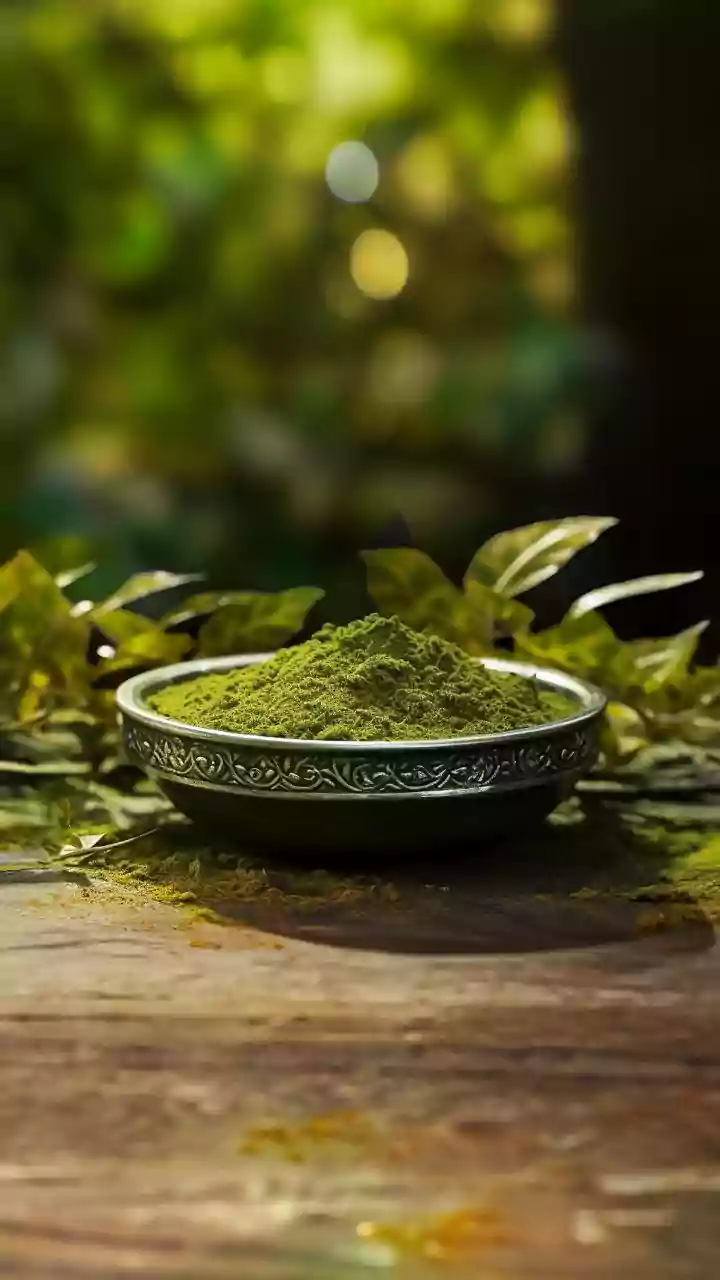



Beyond Green Tea: What Is Matcha?
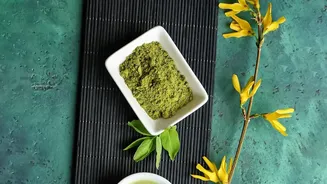
While it comes from the same plant as regular green tea, matcha is fundamentally different. Farmers grow the tea plants in the shade for several weeks before harvest, a process that boosts levels of chlorophyll and beneficial amino acids. Instead of steeping
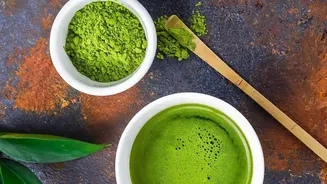
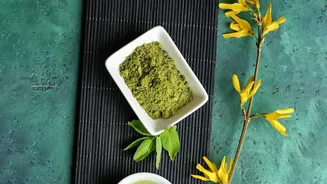
and discarding the leaves, with matcha, you consume the entire leaf, which has been stone-ground into a fine powder. This means you ingest all of the leaf's nutrients, including both soluble and insoluble fibres, vitamins, and minerals. This whole-leaf consumption is key to its potent nutritional profile, delivering a concentrated dose of everything the plant has to offer.
The 'Calm Alertness' Effect of L-Theanine
The primary driver of matcha's adoption in high-pressure work environments is an amino acid called L-theanine. Unlike the sharp jolt and potential crash from coffee, the caffeine in matcha works in synergy with L-theanine to create a state of 'calm alertness'. L-theanine promotes the generation of alpha brain waves, which are associated with a state of wakeful relaxation—similar to the focus achieved during meditation. This unique combination helps moderate the body's caffeine uptake, providing sustained energy and improved concentration for hours without the common side effects of jitters or anxiety. For professionals juggling deadlines and complex tasks, this translates to sharper focus and clearer thinking under pressure.
An Antioxidant Powerhouse for Wellness
Modern work life often comes with significant stress, which can contribute to oxidative stress in the body. Matcha is exceptionally rich in antioxidants, particularly a class of polyphenols known as catechins. These compounds help neutralise harmful free radicals, which are molecules linked to cell damage, accelerated ageing, and chronic inflammation. Studies have shown that the antioxidant concentration in matcha is significantly higher than in many other superfoods and even standard green tea. Regular consumption is associated with benefits like supporting heart health by helping to lower LDL ('bad') cholesterol and blood pressure. This positions matcha as more than just a source of energy; it's a tool for proactive wellness and long-term health maintenance.
The New Fuel for India's Corporate Culture
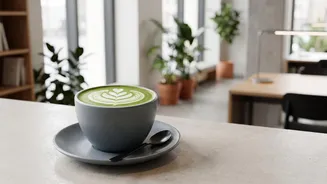
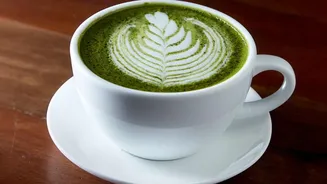
The rise of matcha in India's metropolitan workspaces isn't happening in a vacuum. It aligns perfectly with a broader shift towards corporate wellness, where employers and employees alike are seeking healthier, more sustainable ways to manage stress and boost productivity. Once a niche item, matcha has rapidly entered the mainstream, with market growth in India projected to significantly outpace traditional tea. Its popularity is highest among young, health-conscious professionals in cities like Delhi, Mumbai, and Bengaluru, who work in demanding sectors like tech and finance. Cafes near corporate hubs now prominently feature matcha lattes, and it’s seen as a functional beverage that delivers tangible benefits for mental performance.
A Modern Ritual and Status Symbol
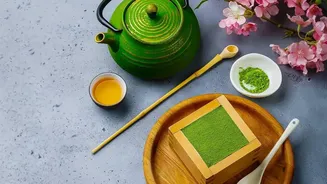
Beyond its health benefits, matcha carries a certain cultural cachet. Its vibrant green colour is visually appealing, making it a popular feature on social media. For many, choosing matcha is a statement—it signals a commitment to wellness, an appreciation for global trends, and a departure from conventional choices. The ritual of preparing matcha at home is also gaining traction, with Google searches in India for terms like "how to make matcha" and "matcha whisk" surging over the past year. This indicates a shift from merely a cafe trend to a personal wellness ritual. As professionals seek ways to balance productivity with self-care, this modern, mindful beverage fits perfectly into the narrative of a balanced and ambitious lifestyle.