



The Golden Rule: Master the Layering System
Surviving extreme cold isn’t about wearing one giant, bulky jacket; it’s about a strategic, multi-layer approach that traps heat and manages moisture. A wet base layer from sweat will make you cold, no matter how good your jacket is. The system consists
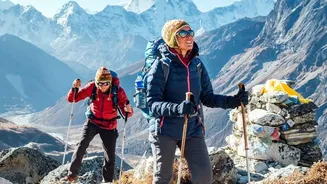
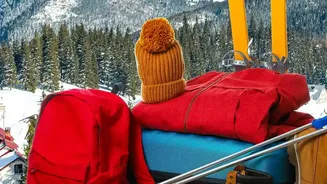
of three to four crucial parts. First is a base layer, typically thermal underwear made from merino wool or a synthetic fabric that wicks sweat away from your skin. Avoid cotton at all costs, as it holds moisture and chills you. The second is a mid-layer for insulation, like a thick fleece jacket or a lightweight down sweater. The third is a heavy-duty insulated jacket, preferably a down or synthetic puffer rated for severe cold (think -20°C or lower). Finally, an outer shell jacket that is windproof and waterproof will protect you from the elements, which is crucial when the wind picks up.
Protecting Your Extremities Is Non-Negotiable
Your core might be warm, but your hands, feet, and head are often the first to suffer from the biting cold, leading to frostbite. For your feet, regular sneakers are a recipe for disaster. You need waterproof, insulated snow boots with a good grip. Pair them with two layers of socks: a thinner synthetic or merino liner and a thick wool sock on top. For your hands, a dual-glove system works best: a thin pair of liner gloves that allow you to operate a camera, and a thick, insulated, waterproof mitten or glove to wear over them. A warm woollen beanie or cap that covers your ears is essential, as is a balaclava or neck gaiter to protect your face and neck from harsh winds. The cold air in Spiti is extremely dry and can irritate your airways, so covering your face helps.
Beyond Clothing: Essential Stargazing Gear
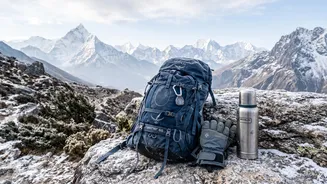
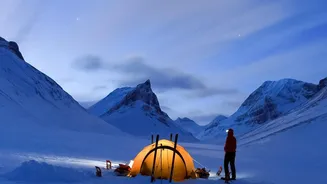
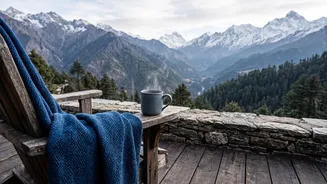
Once your body is protected, a few other items are critical for a successful night of stargazing. First, bring extra batteries for all your electronics—cameras, headlamps, and phones. Cold weather drains battery life with surprising speed. A high-capacity power bank is a lifesaver. To preserve your night vision, use a headlamp or torch with a red-light mode. White light from a regular torch or phone screen will ruin your eyes' dark adaptation, which takes about 30 minutes to achieve and is essential for seeing faint stars and the Milky Way. Finally, a thermos flask filled with a hot, non-alcoholic beverage like herbal tea or hot water is both a morale booster and a practical way to stay warm from the inside out.
The Counterintuitive Rules of High-Altitude Hydration
At high altitudes and in cold weather, your body loses moisture rapidly through respiration, but your natural thirst response is often suppressed. This creates a dangerous combination where dehydration can set in without you even feeling thirsty. Dehydration not only impairs your physical and mental functions but also makes you more susceptible to altitude sickness and hypothermia. The goal is to drink an extra 1 to 1.5 litres of water per day, aiming for a total of 3-4 litres. A good way to check your hydration level is to monitor your urine; if it's dark yellow, you need to drink more. Sipping water consistently throughout the day is more effective than chugging large amounts at once. Adding electrolytes to your water can help your body retain fluids more effectively, which is crucial as cold weather can increase urine output.
Acclimatisation and Safety
Proper gear is only half the battle. The high altitude of Spiti (often above 3,500 metres) means lower oxygen levels, putting stress on your body. It is highly recommended to enter Spiti via the Shimla route, as it allows for a more gradual ascent and better acclimatisation compared to the abrupt altitude gain from the Manali side. Listen to your body. Symptoms like a persistent headache, nausea, dizziness, or unusual fatigue are signs of Acute Mountain Sickness (AMS) and should never be ignored. The combination of high altitude and extreme cold increases physical strain, making proper acclimatisation even more critical. Carry a basic medical kit with any personal prescriptions, along with high-SPF sunscreen and lip balm, as UV rays are much stronger at altitude and reflect off the snow.