

The Search for Something Real
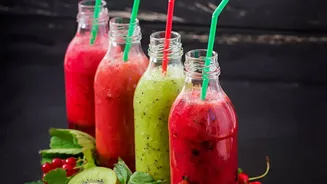
For years, the default option for a refreshing cold drink, especially in cafes, has been a beverage built on a foundation of synthetic syrups. These concoctions, while often colourful and intensely sweet, leave a cloying aftertaste and are packed with
artificial flavours and sugar. Today’s discerning consumer in India is looking for more. There is a palpable shift towards wellness and authenticity, a desire for drinks that not only quench thirst but also offer genuine flavour and functional benefits without the guilt. This movement has paved the way for a quiet revolution in the world of cold beverages, moving from the artificial to the artisanal. Young, health-conscious Indians are increasingly driving this demand, seeking out drinks that align with a wellness-focused lifestyle and look great on social media.
Slow Steeping: A Gentler Approach
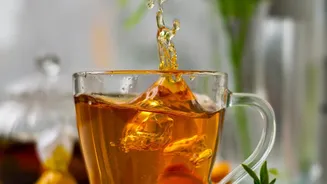
Enter the concept of 'slow steeping', more commonly known as cold brewing. Unlike traditional iced tea, which is brewed hot and then cooled (a process that can release bitter-tasting tannins), cold brewing is a patient art. Tea leaves are steeped in cold or room-temperature water for an extended period, typically between 6 to 12 hours. This gentle method extracts the nuanced, delicate notes from the tea, resulting in a brew that is naturally smoother, less astringent, and often subtly sweet. The process preserves more of the tea's natural antioxidants, which can be degraded by hot water. It’s a technique that celebrates the intrinsic character of the tea leaf, allowing its true flavour profile to shine without being masked by bitterness or sugar.
Hibiscus: The Ruby-Red Refresher
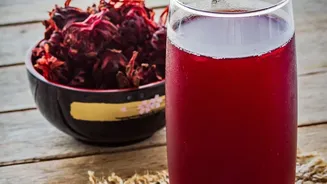
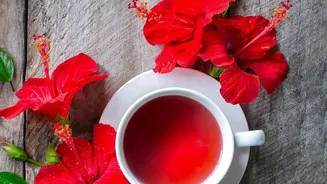
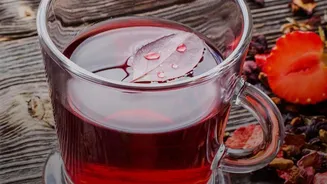
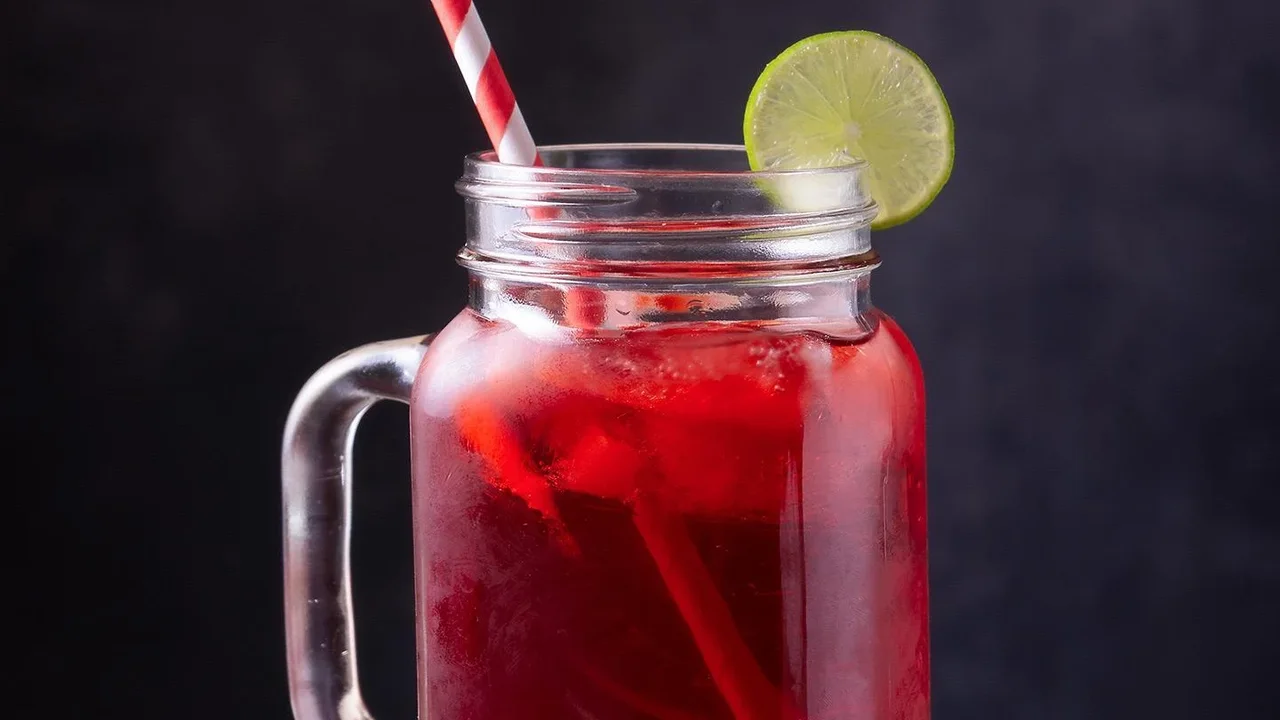
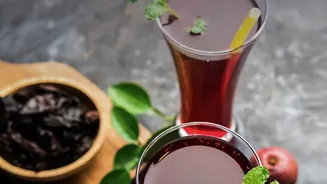
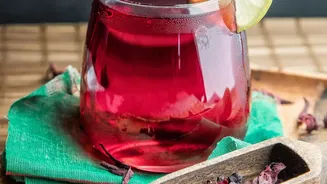
One of the star ingredients in this new wave of cold teas is hibiscus. Known for its stunning, deep red colour and a tart flavour reminiscent of cranberries, hibiscus tea is a feast for the senses. But its appeal goes far beyond aesthetics. Hibiscus is a powerhouse of antioxidants, including vitamin C, which help protect the body against cell damage. It has been used in traditional medicine for centuries, with modern research suggesting it may help in lowering blood pressure and improving blood fat levels. As a base for a cold-steeped tea, its vibrant, fruity notes provide a perfect, naturally flavourful foundation that requires little to no added sweetener, making it an ideal alternative to sugary drinks.
Vetiver: An Earthy, Cooling Tradition
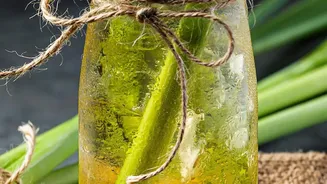
Paired with the bright tartness of hibiscus is the surprising, yet traditional, inclusion of vetiver. Known in India as 'khus', vetiver roots have been used for generations to create cooling summer drinks and even woven into mats that release a pleasant aroma when sprinkled with water. Vetiver imparts a uniquely earthy, woody, and slightly sweet fragrance and flavour. In Ayurveda, it is prized for its cooling properties, believed to reduce body heat and quench thirst effectively. Its grounding aroma is also thought to have a calming effect on the mind. The re-emergence of khus in modern beverages represents a return to roots, reimagining a traditional Indian coolant for a contemporary palate.
A Perfect Pairing
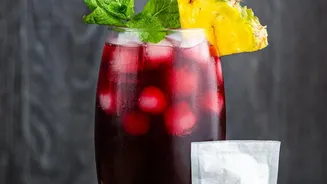
The combination of hibiscus and vetiver in a slow-steeped tea is a masterstroke of flavour balance. The floral tartness of the hibiscus cuts through beautifully, while the earthy, cooling notes of the vetiver provide a complex and grounding base. Together, they create a multi-layered drink that is sophisticated, incredibly refreshing, and entirely natural. This blend doesn't just replace synthetic syrups; it makes them seem utterly obsolete. It’s a beverage that engages the palate with its complexity, offering a dynamic taste experience that evolves with each sip, from bright and zesty to deep and calming. This trend is part of a larger movement in the Indian beverage market, which is seeing significant growth in herbal and fruit infusions.