








The Rise of the Eco-Hub
The great remote work experiment has permanently rewired our relationship with the office. For a growing number of professionals, freedom from a physical desk has sparked a new question: if you can work from anywhere, where would you choose to be? For many,
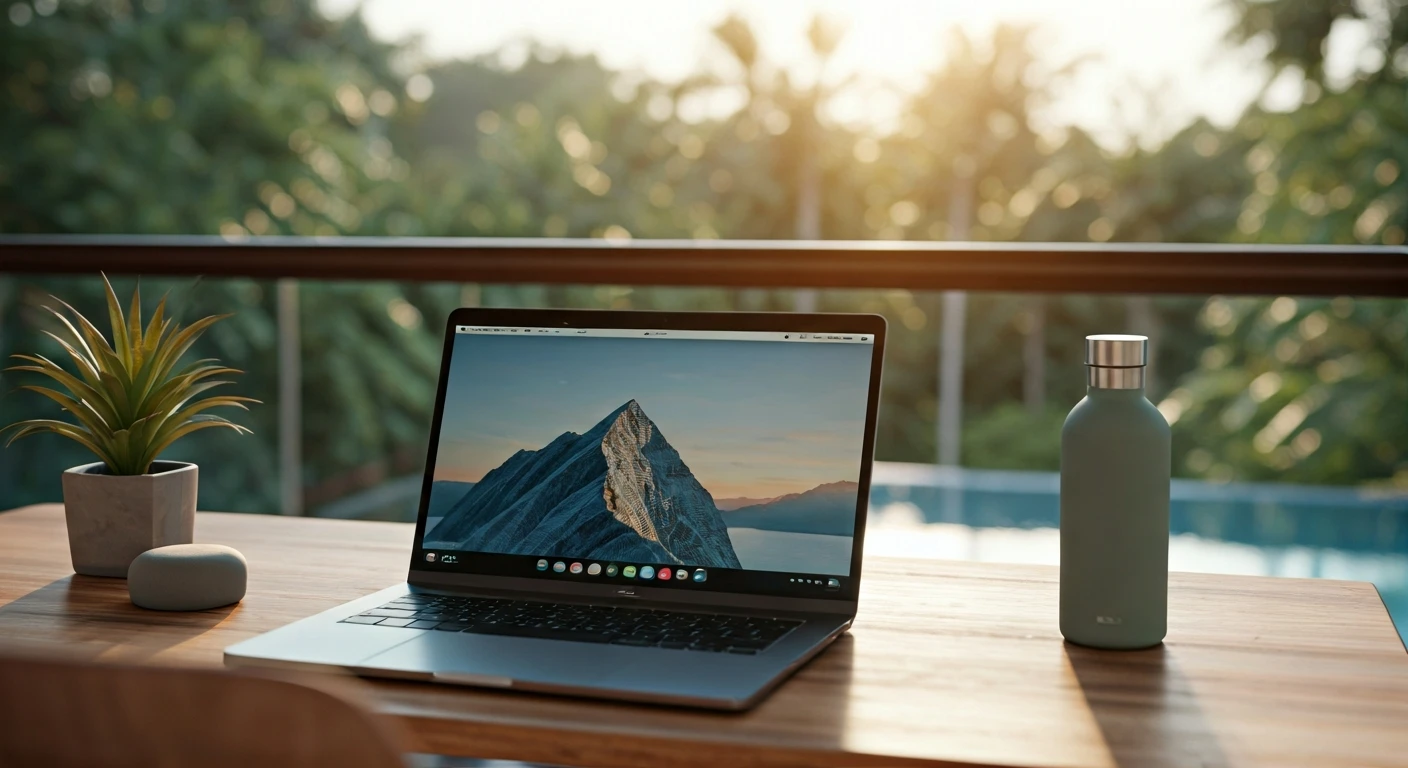
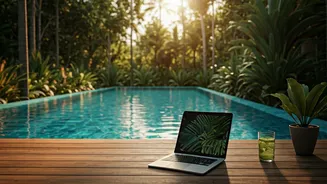
the answer isn't just a different city, but a different kind of workplace altogether. Enter the island work hub, a concept rapidly gaining popularity in destinations like Indonesia. These are not just cafes with good Wi-Fi. They are thoughtfully designed co-working and co-living spaces that integrate professional needs with a lifestyle that prioritises well-being and community. The concept is simple but revolutionary: combine the productivity of a modern office with the restorative calm of a natural setting.
What 'Green' Really Means
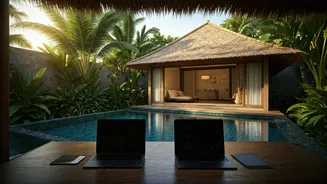
The 'green' in these island hubs is more than just marketing jargon. While formal 'green certification' can vary, the ethos is consistent. It's about a fundamental commitment to sustainability that permeates every aspect of their operation. This can manifest in several ways. Architecturally, many hubs are built using local, renewable materials like bamboo and reclaimed wood, designed for natural ventilation to reduce reliance on air conditioning. Operationally, they often run on solar power, implement rigorous waste management and recycling programmes, and practice water conservation. More importantly, the commitment extends to the community. Many of these spaces actively support local economies by hiring local staff, sourcing food from nearby farms, and partnering with local artisans and environmental initiatives. It’s a holistic approach where your work setup contributes positively to the surrounding environment and community.
Why Indonesia Is the Epicentre
Indonesia, particularly Bali, has long been a magnet for travellers and spiritual seekers. Now, it's the undisputed capital of the digital nomad world, and for good reason. The country offers a unique combination of stunning natural beauty, a relatively low cost of living, and a vibrant, welcoming culture. The infrastructure for remote work is already mature, with a proliferation of high-speed internet and spaces designed specifically for location-independent professionals. Places like Ubud and Canggu in Bali are dotted with hubs that cater to this demographic, from the bustling and collaborative to the quiet and contemplative. The Indonesian government has also recognised the economic potential, working on a long-stay 'digital nomad visa' that would make it even easier for remote workers to base themselves in the archipelago for extended periods. This official support signals a long-term welcome for professionals looking to trade their commute for a scooter ride through rice paddies.
Making the Leap: Dream vs. Reality
The idea is intoxicating, but making the move requires practical planning. Swapping a corporate desk for an island hub isn't a permanent vacation; it's a lifestyle redesign. The first step is securing remote work that allows for time zone differences and asynchronous communication. Financially, while the cost of living can be lower, it’s essential to budget for flights, accommodation, visa runs, and health insurance. Logistically, navigating visa requirements is paramount. While Indonesia is becoming more accommodating, understanding the legalities of working remotely from the country is crucial. Finally, there's the cultural adjustment. Success in this environment means being adaptable, resilient, and open to a different pace of life. It’s about finding a balance where productivity and paradise can coexist without one compromising the other.