





What Exactly Is the Skin Barrier?
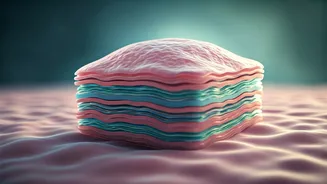
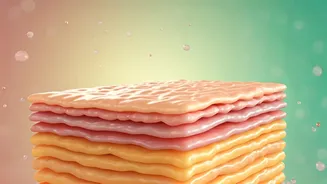
Imagine a brick wall. The skin barrier, or stratum corneum, is the outermost layer of your skin and works in much the same way. The 'bricks' are your skin cells (corneocytes), and the 'mortar' holding them together is a mix of lipids like ceramides, cholesterol,
and fatty acids. This tightly packed structure serves as your body's personal security guard. It’s the first line of defence against everything the outside world throws at you, from pollution to bacteria. Without a strong and intact barrier, your skin becomes vulnerable and unable to function at its best. It's not just a layer; it's a dynamic, protective shield that is fundamental to your overall skin health.
Its Two Most Important Jobs
According to dermatologists, the skin barrier has two critical, non-negotiable functions. First, it keeps the good stuff in. Its primary job is to prevent transepidermal water loss (TEWL), which is a scientific way of saying it locks in moisture and essential nutrients to keep your skin hydrated, plump, and supple. Second, it keeps the bad stuff out. This includes environmental aggressors common in Indian cities like pollution and dust, UV radiation from the sun, and potential irritants or allergens from skincare products or the environment. When the barrier is healthy, it effectively blocks these harmful elements from penetrating deeper into the skin and causing inflammation or damage.
Signs Your Barrier Is Damaged
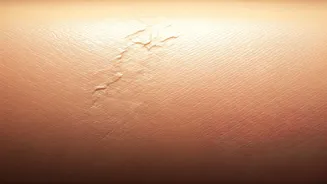
How do you know if your 'brick wall' has a few cracks? A compromised skin barrier sends out clear distress signals. You might experience increased dryness, flakiness, or a persistent feeling of tightness, even after moisturizing. Redness, inflammation, and heightened sensitivity are also classic signs; products that never bothered you before might suddenly start to sting or burn. Many people also notice an increase in breakouts, as a weakened barrier can allow acne-causing bacteria to thrive. It can even lead to more serious conditions like eczema or rosacea flare-ups. If your skin constantly feels irritated, reactive, and uncomfortable, a damaged barrier is a very likely culprit.
Common Causes of Barrier Damage
Our modern lifestyles are full of potential barrier-breakers. One of the most common is over-exfoliation—using harsh physical scrubs or too many strong chemical exfoliants (like AHAs and BHAs) too frequently. This strips away the protective lipids. Other causes include using harsh cleansers that leave your skin feeling 'squeaky clean' (which actually means it's been stripped of its natural oils), prolonged sun exposure without adequate SPF, and environmental factors like low humidity, harsh winds, and pollution. Even psychological stress and lack of sleep can impact your barrier's health by increasing cortisol levels, which can disrupt its repair functions.
How to Repair and Protect It
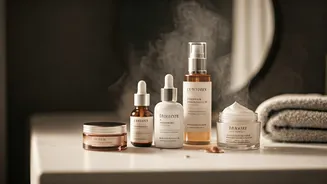
The good news is that the skin barrier can be repaired with a little care and patience. Experts recommend adopting a 'back to basics' approach. First, simplify your routine. Stop using all harsh exfoliants and active ingredients for a few weeks. Switch to a gentle, pH-balanced, non-foaming cleanser. Second, focus on moisturizing. Look for products containing ingredients that mimic your skin's natural mortar: ceramides, fatty acids, and cholesterol. Other hero ingredients for barrier repair include hyaluronic acid for hydration, niacinamide for its anti-inflammatory properties, and glycerin to draw moisture into the skin. Finally, make broad-spectrum sunscreen a non-negotiable part of your morning routine, every single day, to protect your skin from UV damage while it heals.