






The Allure of the Rains
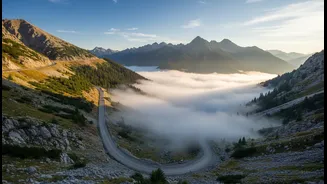
There's a reason travellers are drawn to the mountains during the monsoon. The searing summer heat gives way to cooler temperatures, popular towns are less crowded, and accommodation is often cheaper. Landscapes transform, with forests looking fresher,
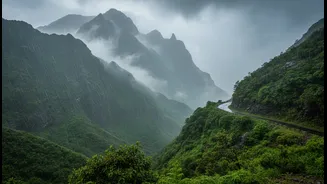
waterfalls bursting into life, and clouds drifting through valleys, creating a magical, cosy atmosphere perfect for slow travel. The season offers a chance to experience the hills at their most raw and beautiful, trading frantic sightseeing for quiet moments, hot food, and the peaceful rhythm of the rain.
The Unpredictable Reality
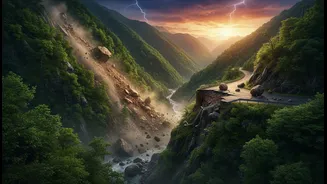
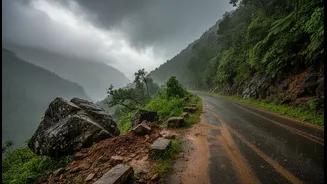
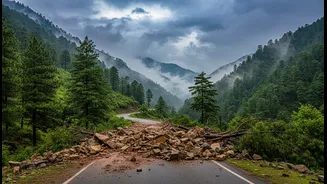
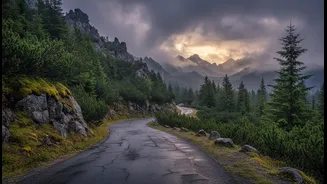
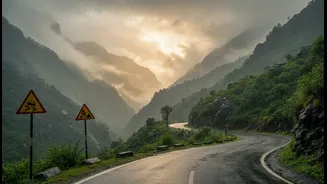
The beauty of the monsoon comes with significant risks. Heavy and continuous rainfall makes hill stations in states like Himachal Pradesh, Uttarakhand, and Kerala vulnerable to serious hazards. Landslides, flash floods, and collapsing roads are common occurrences that can shut down highways for hours or even days, leaving tourists stranded. Places like Manali, Shimla, Nainital, and Munnar frequently experience these disruptions. The very routes that take you to these scenic spots can become treacherous, and what appears to be a safe destination can be cut off by a landslide miles away.
Safety First: Planning Your Trip
A safe monsoon trip begins before you even leave home. The most crucial step is to monitor weather forecasts from reliable sources like the India Meteorological Department (IMD). If heavy rain or landslide warnings are issued for your destination or the routes leading there, the wisest decision is to postpone. When booking travel and accommodation, opt for flexible tickets that allow for last-minute changes. Plan your itinerary with buffer days; delays are common, and a tight schedule can lead to risky decisions. It's also essential to avoid night travel on hill roads, as visibility is poor and the risk of landslides increases.
Pack for Preparedness
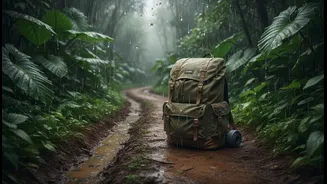
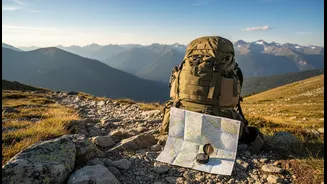
Your packing list for a monsoon hill trip is different from any other. Prioritise function over fashion. A high-quality waterproof jacket is non-negotiable. Pack lightweight, synthetic clothes that dry quickly, and always carry extra pairs. Sturdy, waterproof footwear with a good grip is essential for navigating slippery, muddy paths. Keep your electronics safe with waterproof bags or ziplock covers. A basic first-aid kit, insect repellent, a powerful torch, and a power bank are also must-haves, as power cuts can be frequent.
On-the-Ground Smarts
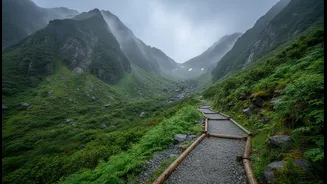
Once you arrive, stay informed and cautious. Listen to the advice of local authorities and your hotel staff—they have the best understanding of the current conditions. Avoid being overly adventurous. Steer clear of trekking on isolated trails, and don't go near rivers or streams, as water levels can rise suddenly and without warning. If you are driving, go slow, maintain a safe distance from other vehicles, and never attempt to cross a road that is flooded or covered in debris. If you get caught in a potential landslide situation, evacuate to higher ground immediately.
Embrace the Reshaped Vacation
Sometimes, despite the best planning, the weather will force a change of plans. A landslide might block the road to a famous viewpoint, or continuous rain might cancel your trek. This is where a change in mindset is key. Instead of feeling disappointed, embrace the situation. A rained-out day is an opportunity to explore the local market, try regional cuisine at a small cafe, read a book by the window, or simply enjoy the view from your hotel. A monsoon holiday is less about ticking off a checklist and more about immersing yourself in the destination's tranquil, rain-soaked atmosphere.