





The Brain's Primary Border Wall
The first and most formidable line of defense is the blood-brain barrier (BBB). Unlike blood vessels elsewhere in the body that have small gaps, the vessels in the brain are lined with endothelial cells fused together by 'tight junctions'. This structure
creates a highly selective, semipermeable membrane that separates the circulating blood from the brain's extracellular fluid. Its primary job is to shield the brain from toxins, pathogens, and other harmful substances that might be in your bloodstream. At the same time, it actively transports essential nutrients like oxygen and glucose to keep your neurons firing correctly. This barrier is so crucial that without it, the brain's finely tuned environment would be disrupted, making normal function impossible.
The Architects of the Barrier
The endothelial cells don't build this fortress alone. They are supported by other cells, most notably pericytes. These cells are embedded within the capillary walls, essentially wrapped around the endothelial layer. Pericytes are critical for maintaining the integrity of the BBB; they help regulate the tightness of the junctions between endothelial cells and control blood flow through the brain's smallest vessels. They communicate with the endothelial cells through direct physical connections and chemical signals. Studies have shown that a reduction in the number of pericytes leads to a more permeable, or leaky, BBB, highlighting their essential role in safeguarding the brain.
The Neighborhood Watch and Cleanup Crew
Even the best border can have breaches. That's where the brain's glial cells—astrocytes and microglia—come in. Astrocytes, which are star-shaped cells, extend 'end-feet' that almost completely ensheath the blood vessels of the BBB. They are crucial for inducing and maintaining the barrier, providing structural support and releasing beneficial factors. Microglia, on the other hand, are the brain's resident immune cells. They are constantly surveying the environment for signs of trouble. If a pathogen or injury occurs, microglia are the first responders, capable of clearing away debris and damaged cells. This coordinated team ensures that even if a threat gets past the main gate, it is quickly neutralized.
An Even Deeper Level of Protection
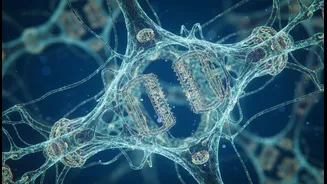
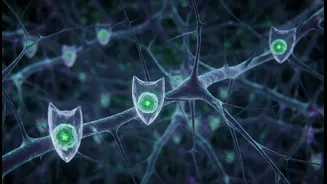
Recent research has uncovered another layer of defense operating inside the neurons themselves. A structure known as the membrane-associated periodic skeleton (MPS), a microscopic lattice just beneath the cell's surface, acts as an internal gatekeeper. Originally thought to just provide structural shape, scientists have now found that the MPS actively regulates what the neuron absorbs from its surroundings—a process called endocytosis. It acts as a physical barrier, slowing down the uptake of substances from the outside. When the neuron needs to take in nutrients, this gatekeeper opens to allow it. This function is vital, as a breakdown in the MPS has been linked to the rapid absorption of toxic proteins associated with Alzheimer's disease.
When the Guards Are Overwhelmed
In a healthy brain, this multi-layered security system works seamlessly. However, in many neurological diseases, this system breaks down. Conditions like stroke, multiple sclerosis, and Alzheimer's disease are often associated with a compromised blood-brain barrier. This breakdown allows harmful substances and inflammatory cells from the blood to enter the brain, contributing to neuronal damage. For instance, infections can disrupt pericyte function, leading to BBB failure. The deterioration of the internal MPS during aging may also create a vicious cycle, accelerating the buildup of toxic molecules inside neurons and leading to cell death. This highlights the immense importance of these cellular guardians in maintaining long-term brain health.