



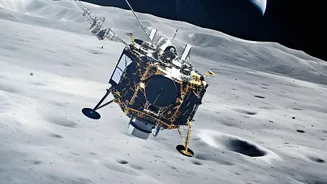
The Moon’s Unseen Dangers
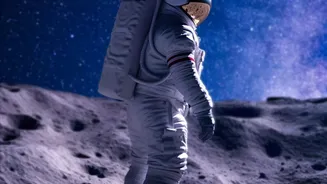
The Moon has no atmosphere or global magnetic field to protect it, leaving its surface exposed to a harsh environment. Anyone on the surface faces a triple threat: extreme temperature swings, a constant rain of micrometeorites, and a deadly barrage of radiation.
Temperatures can soar to 121°C in sunlight and plummet to -146°C in darkness. Micrometeorites, some travelling faster than 3 km/s, pepper the landscape. But the most insidious threat is radiation from two sources: a constant stream of galactic cosmic rays (GCR) from deep space and intense, unpredictable bursts of solar flares from our own Sun. Without significant shielding, this radiation can cause acute sickness, increase cancer risk, and damage DNA, making long-term surface habitation a dangerous proposition.
A Subterranean Solution
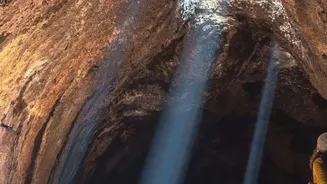
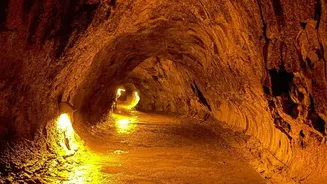
The solution may lie beneath the Moon's battered surface. Billions of years ago, the Moon was volcanically active. As rivers of lava flowed, the outer surface cooled and hardened while molten rock continued to flow underneath, eventually draining away to leave behind vast, hollow tunnels known as lava tubes. Some of these tubes are enormous, potentially over a kilometer wide—large enough to house entire cities. The thick rock ceilings of these caves, potentially 100 meters thick or more, offer a natural and highly effective shield. Studies show that being underground can reduce the annual radiation dose from up to 400 millisieverts on the surface to as low as 1-20 millisieverts inside a tube, which is comparable to the levels experienced on Earth. These caverns also provide a stable temperature of around -20°C, protecting against the wild swings on the surface.
Robots to the Rescue
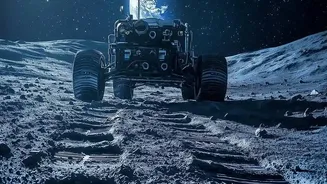
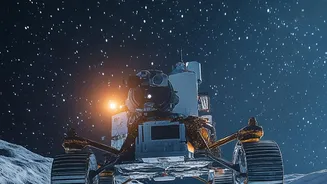
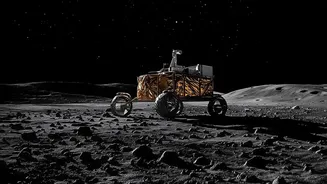
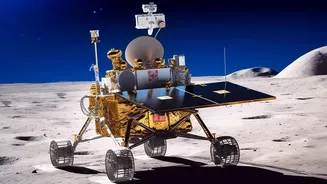
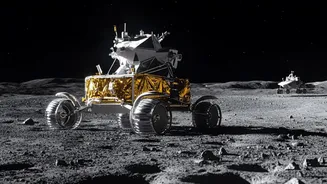
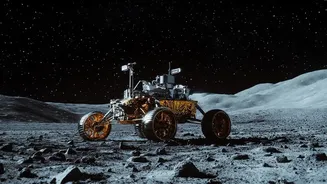
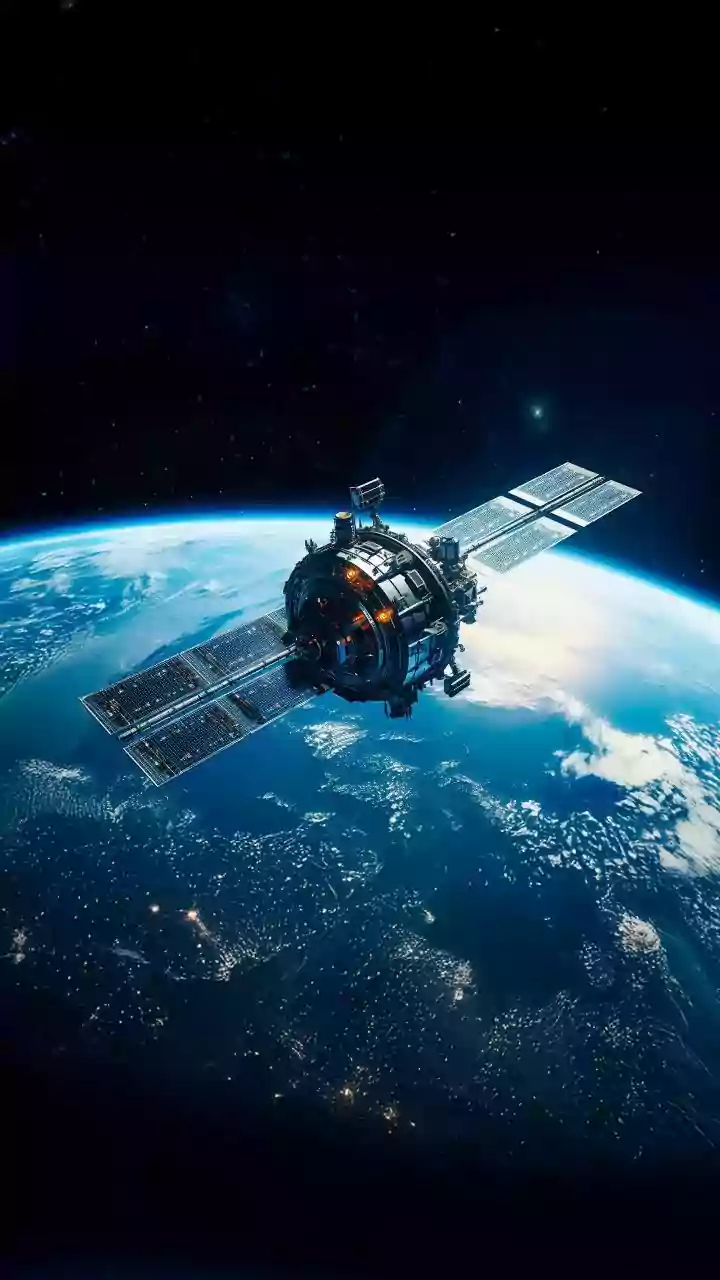
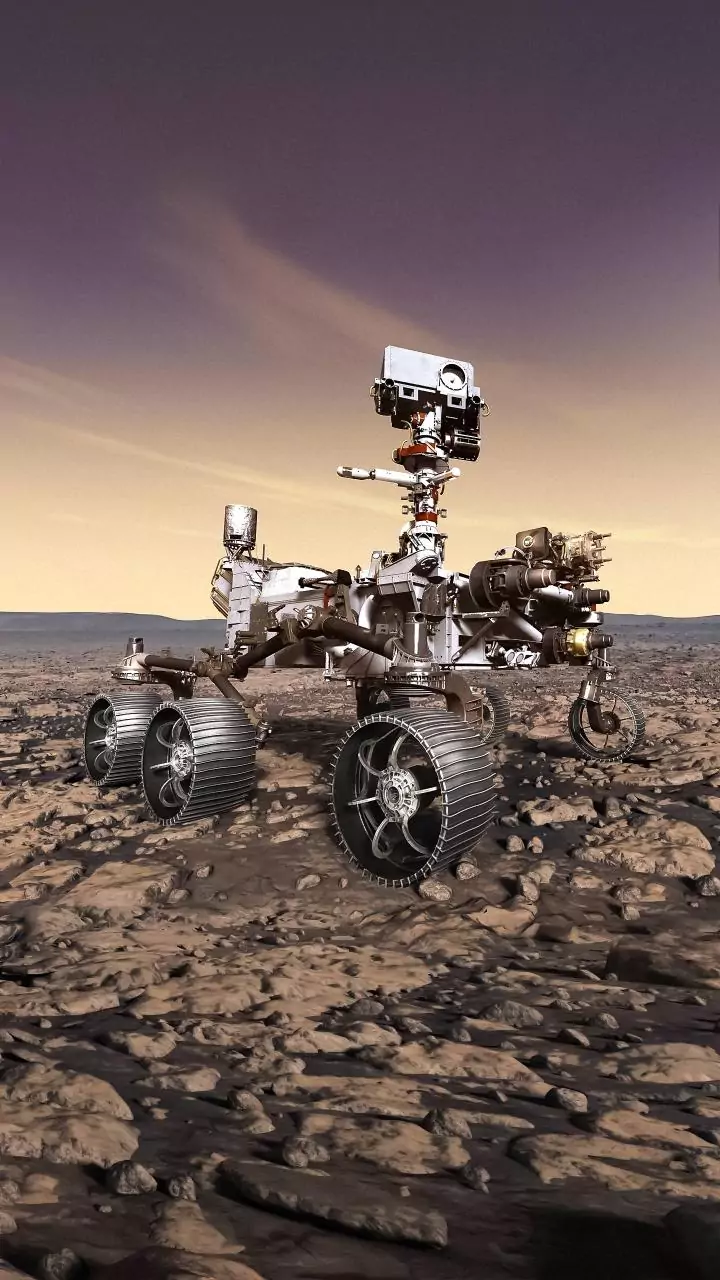
Before astronauts can move in, these lava tubes must be found, mapped, and confirmed to be structurally sound. This is a job for robots. Identifying potential tubes often starts from orbit, spotting collapsed sections of the roof called 'skylights'. Getting inside, however, is a major technical challenge. Several missions are being conceptualized to tackle this. A European consortium has developed a multi-robot system tested in the lava fields of Lanzarote, Spain. The concept involves a team of three robots: one remains on the surface as an anchor, another rappels into the cave, and a third helps map the area. Another proposal, the 'Moon Diver', would send a two-wheeled rover into a pit. NASA has also awarded grants for concepts like the laser-powered Lunar Underground eXplorer (LUX) drone, which would fly into a cave while tethered to a surface rover.
Pioneering a Lunar Future
Successfully scouting and accessing these lava tubes would be a game-changer for lunar colonisation. They solve the single biggest problem of long-term settlement: safety from the environment. Rather than shipping massive amounts of shielding material from Earth at immense cost, astronauts could use these natural shelters. Initial habitats could be inflatable modules placed inside the caves, instantly protected from radiation, micrometeorites, and temperature extremes. This approach, known as In-Situ Resource Utilization (ISRU), is central to making a lunar base sustainable. These subterranean bases would not only be habitats but also scientific outposts, allowing for geological study of pristine lunar bedrock and perhaps even the search for resources like water ice in a protected setting.