





What is Candlelit Yin Yoga?
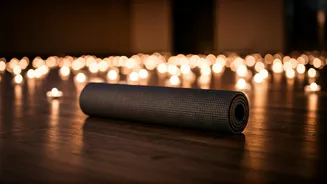
Imagine a quiet, warm room, illuminated only by the soft, flickering glow of candles. Instead of the fast-paced, muscle-building flows of Vinyasa or Ashtanga yoga, the practice is slow, deliberate, and deeply meditative. This is the essence of candlelit
Yin Yoga. It combines two powerful elements: Yin Yoga, a style that involves holding gentle poses for several minutes, and the calming ambience of candlelight. Unlike 'yang' styles that focus on muscle (yang tissues), Yin Yoga targets the body's deeper connective tissues—ligaments, joints, and fascia. The goal isn't to build a sweat, but to release tension you might not even know you're holding.
The Science of Slowing Down
Mental burnout is often the result of a chronically activated sympathetic nervous system—our 'fight-or-flight' response. We’re constantly bombarded with stimuli, deadlines, and notifications, leaving our bodies in a state of high alert. Yin Yoga acts as a direct countermeasure. The practice of holding poses for long periods (typically 3-5 minutes) encourages the body to switch over to the parasympathetic nervous system, also known as the 'rest-and-digest' state. This shift is crucial. It lowers your heart rate, deepens your breath, and tells your brain that you are safe. By intentionally creating these conditions of stillness, you are actively training your nervous system to down-regulate, providing a profound sense of calm that can help chip away at the foundations of chronic stress.
Why Light Changes Everything
The 'candlelit' part of the name isn't just a gimmick; it’s a key therapeutic component. Our brains are hardwired to respond to light. Bright, blue-toned light (like from our screens) signals our brain to be awake and alert. In contrast, the dim, warm glow of candlelight has the opposite effect. It reduces visual stimulation, allowing the mind to turn inward. This low-light environment minimises distractions, fostering a feeling of safety, intimacy, and introspection. It creates a sanctuary-like space where you feel sheltered from the outside world, making it easier to let go of mental chatter and truly be present in the moment. It transforms the yoga studio from a place of exercise into a haven for rest.
An Antidote to 'Doing'
Burnout stems from relentless 'doing'. We are always producing, solving, responding, and achieving. A candlelit Yin session is the antidote: it is a practice of 'being'. There is nothing to achieve and no perfect pose to attain. Instead, you are invited to use props like bolsters, blankets, and blocks to support your body completely, allowing you to surrender to gravity. In each long hold, you’re not fighting your body; you’re listening to it. This passive approach is profoundly healing for a burnt-out mind. It teaches you to sit with discomfort, observe your thoughts without judgment, and embrace stillness as a productive and necessary act of self-care.
What to Expect in Your First Session
If you’re new to Yin Yoga, there’s no need to be intimidated. The practice is accessible to all levels, body types, and flexibility ranges. Arrive in comfortable, warm clothing you can relax in. The teacher will guide you into a pose and provide options for using props to make it comfortable for your unique body. The room will be quiet, with minimal talking from the instructor once you are settled into a pose. Your only job is to breathe and allow your body to soften. It may feel challenging to stay still at first, but that is part of the practice. The focus is on finding your 'edge'—a point of sensation, not pain—and simply resting there.