



Harness the Power of Light
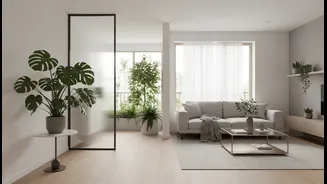
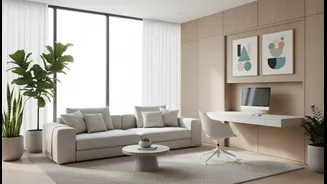
Light is the single most effective tool for making a room feel larger. Our brains are hardwired to associate bright spaces with openness. Maximise the natural light you have by ditching heavy, dark curtains for sheer or light-coloured drapes that allow
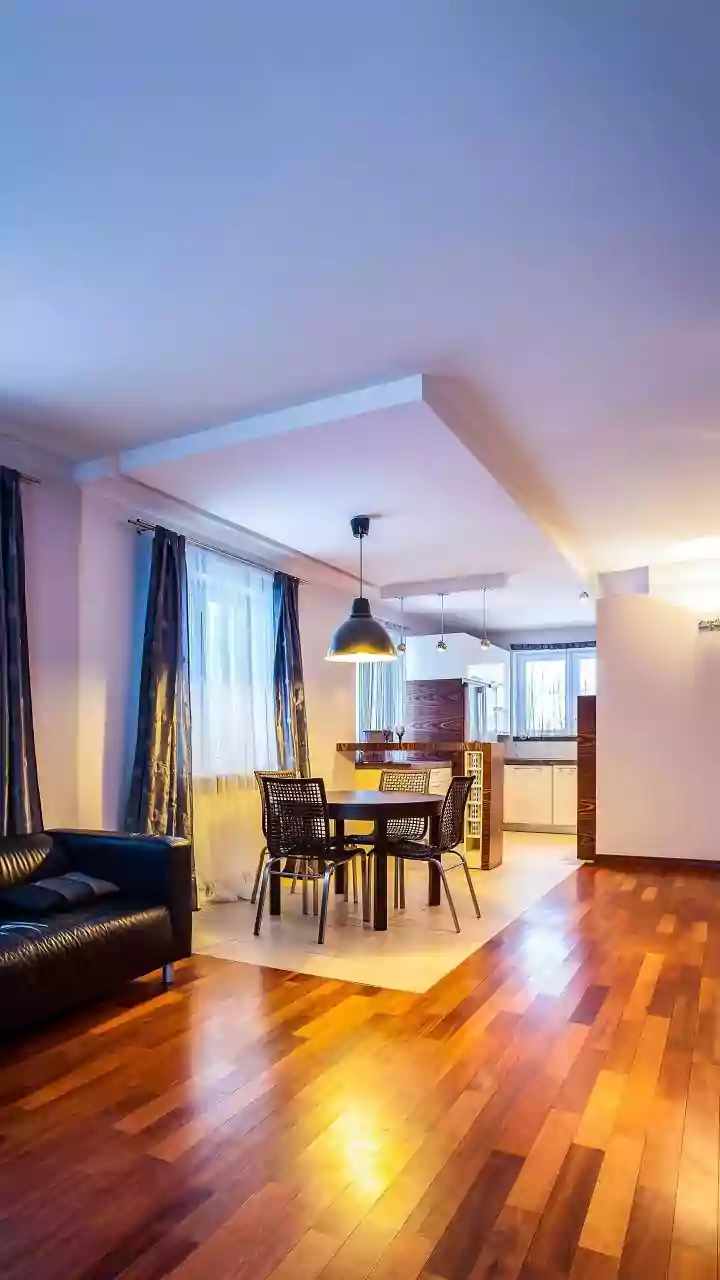
sunlight to pour in. If privacy is a concern, bamboo blinds offer a great alternative, filtering light softly. Placing a large mirror on a wall opposite a window is a classic trick for a reason: it bounces light around the room and creates an illusion of depth, effectively doubling the light's impact. For homes in dense urban areas with limited natural light, a layered artificial lighting scheme is crucial. Instead of relying on a single, harsh overhead light, combine ambient, task, and accent lighting. Wall sconces, floor lamps, and table lamps can eliminate dark corners and draw the eye around the room, making the entire space feel more expansive and welcoming.
Choose the Right Colour Palette
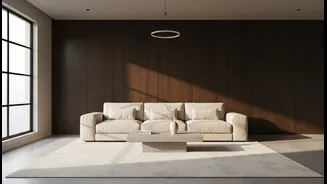
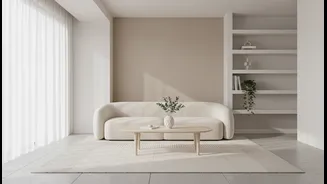
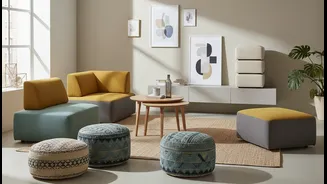
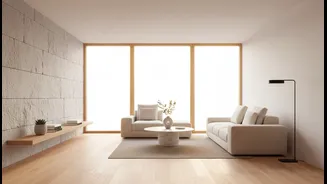
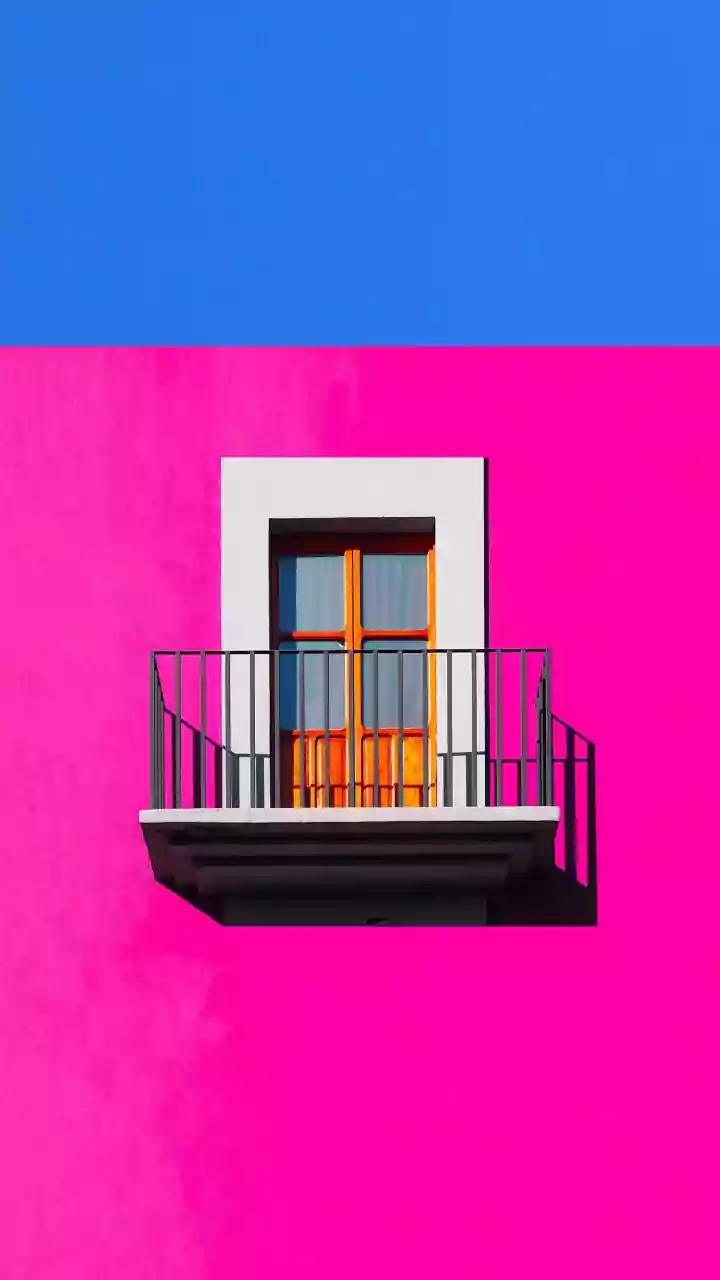
Colour has a profound psychological effect on how we perceive space. Light, cool colours tend to recede, making walls feel further away. For an airy feel, opt for soft, neutral tones like creamy off-whites, pale greys, barely-there blues, and muted sages. These shades reflect light gently, softening the edges and corners of a room rather than outlining them sharply. This doesn't mean your home has to be devoid of colour. Bold or dark shades can be used strategically as accents. In some cases, painting a whole room—including the trim and ceiling—a deep, moody colour can blur the boundaries and create a cozy, expansive feel by making the walls seem to disappear. However, for a guaranteed sense of openness, a palette inspired by nature—sand, clay, and soft greys—calms the nervous system and grounds the space.
Embrace Natural Materials and Textures
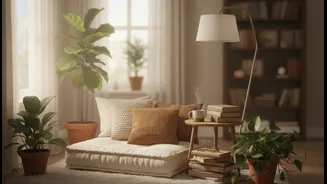
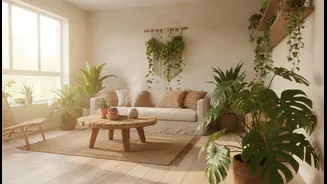
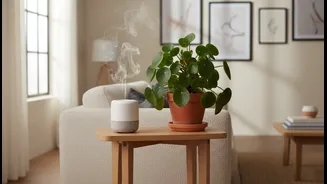
Connecting your indoor space to the outdoors is a key principle of biophilic design, which has been shown to reduce stress and improve well-being. Incorporating natural materials is a simple way to achieve this. These materials bring a rich tactile quality that adds depth and warmth, making a room feel more inviting and less sterile. Think of wood furniture, a jute or wool rug, linen cushions, or a rattan armchair. These textures engage the senses and break up the monotony of smooth, flat surfaces. Even small touches like terracotta pots, wooden bowls, or a chunky knit throw can add layers of texture that make a home feel curated and authentic. Using plants is another straightforward way to bring life and an organic feel indoors, purifying the air and adding a splash of calming green.
Integrate Smart, Space-Saving Elements
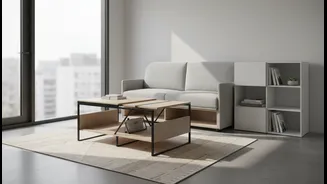
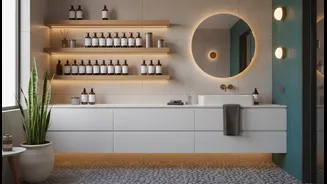
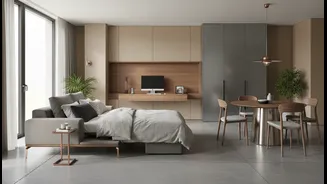
Beyond light and materials, furniture choices and placement are critical. In India, where urban homes are often compact, multi-functional furniture like a sofa-cum-bed or a foldable dining table is invaluable. When floor space is limited, drawing the eye upward can make a room feel taller. Use vertical storage like tall bookshelves or wall-mounted floating shelves to free up the floor and reduce clutter. Choosing furniture with visible legs—like a sofa or console table that is raised off the ground—allows you to see more floor space, which tricks the eye into perceiving a larger area. Similarly, glass or acrylic coffee tables keep the view unobstructed, contributing to an overall sense of lightness and openness.