


The Shift from Restriction to Moderation
For years, the narrative around festive eating was one of strict avoidance or subsequent guilt. Health-conscious individuals often felt they had to choose between enjoying traditional sweets and staying on track. However, this all-or-nothing mentality
is giving way to a more balanced and sustainable approach. Nutritionists and health experts now emphasize mindful indulgence over complete restriction. The new thinking is not about punishing yourself or skipping the foods you love, but about making conscious choices, managing portions, and savouring the experience. This allows for the enjoyment of cultural traditions without the cycle of guilt and deprivation that can harm one's long-term relationship with food.
Make Smart Mithai Choices
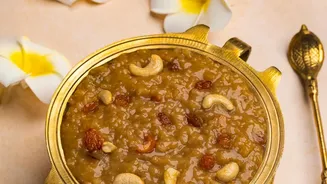
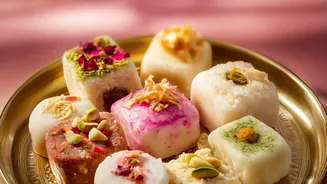
Not all Indian sweets are created equal in terms of nutritional impact. Choosing wisely can make a significant difference. Sweets made from nuts, seeds, dairy protein (chenna), or whole grains are relatively better options than those that are deep-fried and soaked in sugar syrup, like jalebi or gulab jamun. Opt for mithai like sandesh, date and nut laddus, or those made with besan or ragi flour. These often contain more protein and fibre, which can help in slowing down sugar absorption. Many now opt for sweets sweetened with natural alternatives like jaggery, dates, or honey instead of refined white sugar. Jaggery, for instance, contains trace minerals like iron.
The Power of Homemade Sweets
Preparing mithai at home puts you in complete control of the ingredients. This is one of the most effective ways to make festive treats healthier. You can directly replace refined sugar with jaggery, date paste, or even fruit pulp. Swapping refined flour (maida) for whole wheat, ragi, or almond flour can boost the fibre content. You can also limit the amount of ghee or choose healthier fats, and avoid the hydrogenated fats often found in commercially produced sweets. Home cooking also allows for smaller batches, reducing the temptation of having large boxes of sweets lying around for weeks.
Practice Portion Control and Mindful Eating
Perhaps the most powerful tool is portion control. Instead of eating until you are overly full, serve yourself smaller portions. Using a smaller plate can be a simple but effective trick. Another strategy is the “one-bite rule” at parties, allowing you to sample various sweets without over-consuming any single one. Mindful eating—paying full attention to the taste, texture, and aroma of your food—can enhance satisfaction and help you recognise your body’s fullness cues more effectively. Eating slowly gives your brain time to register that you are full, preventing overindulgence.
Balance is Key for Overall Nutrition
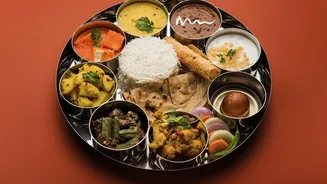
Enjoying sweets in moderation doesn't mean the rest of your diet should be ignored. It's crucial to maintain a balanced nutritional intake throughout the day. Don't skip meals to “save calories” for a festive dinner, as this often leads to overeating later. Instead, focus on having balanced meals rich in protein and fibre, which promote satiety and help manage cravings. Pairing a sweet treat with a meal, rather than eating it on an empty stomach, can help slow down the absorption of sugar into the bloodstream. Staying well-hydrated is also essential, as thirst is often mistaken for hunger.
Read the Labels on 'Healthy' Alternatives
As the demand for healthier options grows, the market is flooded with products labelled “sugar-free” or “diabetic-friendly.” While some are good choices, it’s important to be a discerning consumer. Many so-called sugar-free sweets replace sugar with artificial sweeteners or sugar alcohols like maltitol, which can cause digestive distress in large amounts. Furthermore, the base ingredients might still be refined flour and unhealthy fats. Always read the ingredient list to understand what you are consuming. Often, a homemade laddu with jaggery and nuts is a more wholesome choice than a commercially produced “sugar-free” product.