




What Exactly Are Stepwells?
Known as ‘baoris’ or ‘vavs’, stepwells are a uniquely Indian architectural marvel. For centuries, they were essential community lifelines in the arid regions of western India, particularly Rajasthan and Gujarat. These are not simple wells. They are elaborate,
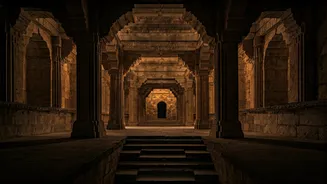
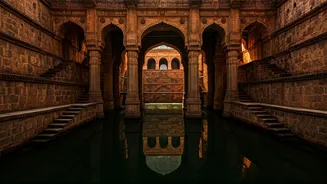
subterranean structures designed to provide access to groundwater year-round. Architects and engineers dug deep into the earth, building intricate flights of stairs—sometimes descending over ten stories—that allow people to follow the fluctuating water table. But they were more than just reservoirs. Shaded from the scorching sun, their cool, subterranean chambers served as social hubs where communities gathered, travellers rested, and religious ceremonies were held. Each stepwell is a testament to the ingenuity of ancient water harvesting, blending breathtaking form with vital function.
An Architect's Dream, A Photographer's Canvas
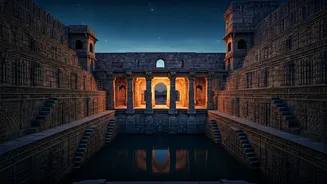
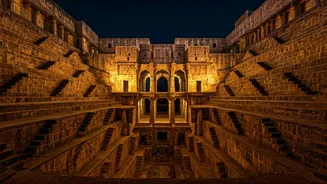
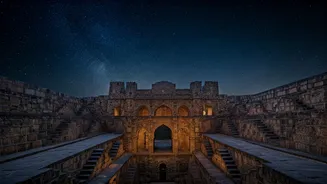
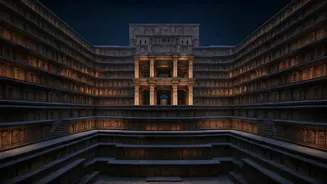
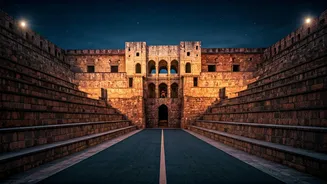
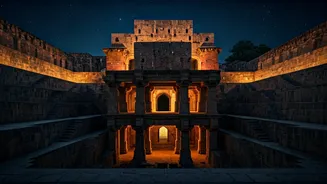
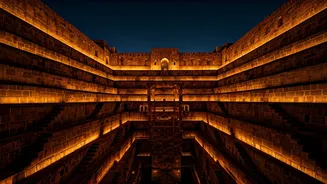
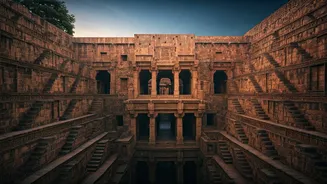
The visual appeal of a stepwell is immediate and hypnotic. They are masterpieces of symmetry and geometry. The repeating patterns of the steps create a dizzying optical illusion, a cascade of triangles and diamonds that draw the eye downwards. Looking up from the bottom, the sky is framed by a perfect square or octagon of stone, creating a powerful sense of enclosure and wonder. This inherent graphic quality makes them irresistible to anyone with a camera. In daylight, the sun carves sharp, moving shadows that transform the structure throughout the day. But a growing number of photographers are discovering that the real magic happens after dark.
The Allure of the After-Dark Shot
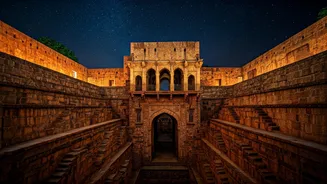
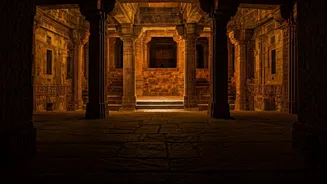
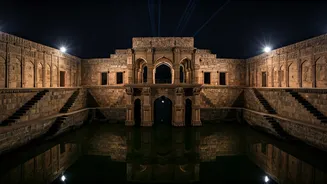
The headline-grabbing trend isn't just about photographing stepwells; it's about photographing them at midnight. Why? For one, it offers an escape from the daytime crowds and harsh sunlight, allowing for a more intimate and contemplative experience. At night, photographers have complete control over the lighting. Using long exposures, portable lights, and even the ambient glow of the moon, they can paint with light, selectively illuminating specific sections of the architecture. This technique exaggerates the depth, texture, and geometric complexity of the stone steps. The interplay of deep shadow and focused light creates a dramatic, almost surreal atmosphere, transforming these historical sites into otherworldly landscapes. The darkness adds a layer of mystery and grandeur, making the ancient stones feel even more monumental.
Iconic Backdrops: Rajasthan to Gujarat
While hundreds of stepwells dot the Indian landscape, a few have become stars of this photographic movement. The most famous is arguably Chand Baori in the village of Abhaneri, Rajasthan. With 3,500 narrow steps descending 13 stories, it is one of the deepest and most visually stunning stepwells in the world. Its perfect, mesmerising symmetry makes it a bucket-list shot for photographers. Another crown jewel is Rani ki Vav (the Queen's Stepwell) in Patan, Gujarat. A UNESCO World Heritage Site, it's designed like an inverted temple, adorned with over 500 major sculptures and a thousand minor ones, celebrating the sanctity of water. Capturing its ornate carvings under carefully placed artificial light is a challenge that yields spectacular results, revealing details often missed in the flat light of day.
Capturing the Past, Responsibly
This growing interest comes with a responsibility. These are not just photogenic backdrops; they are fragile archaeological sites, some over a thousand years old. Many of the most popular stepwells are protected monuments, and night access often requires special permission from the Archaeological Survey of India (ASI) or local authorities. Aspiring photographers are encouraged to be mindful of their impact, adhering to the principles of ‘leave no trace’. The trend has a positive side effect: it’s driving a renewed appreciation for these often-neglected wonders. As stunning images of baoris flood social media, they inspire a new generation to learn about India's rich architectural heritage and the critical importance of water conservation.