





The Case for Walking: Accessible and Effective
Walking is perhaps the most accessible form of exercise. It’s free, can be done almost anywhere, and requires no special equipment beyond a comfortable pair of shoes. Its low-impact nature makes it an excellent choice for individuals of all fitness levels,
including those with joint pain or who are recovering from injury. Regular brisk walking helps increase cardiovascular fitness, strengthens bones, and can improve the management of conditions like high blood pressure and diabetes. Beyond the physical, walking is also a powerful tool for mental wellness, helping to boost mood and improve immune function. A brisk 10-minute daily walk offers significant health benefits, making it a sustainable and easy habit to adopt.
The Power of Skipping: A High-Intensity Workout
Don't dismiss skipping as just a playground activity. It is a high-intensity, full-body workout that improves cardiovascular health, coordination, and muscle strength. Because it forces you to be mindful of timing and rhythm, skipping enhances concentration and body awareness. One of its biggest draws is its efficiency. Skipping can burn a significant number of calories in a short amount of time, making it an ideal workout for those with busy schedules. Studies have shown that just 10 minutes of skipping can offer similar cardiovascular benefits to 30 minutes of jogging. It's a versatile exercise that can be easily scaled to different fitness levels by changing speed or introducing different jump styles.
Walking vs. Skipping: The Calorie Burn
When it comes to burning calories, skipping has a clear advantage. Due to its higher intensity, jumping rope burns calories at a much faster rate than walking. Some estimates suggest that skipping can burn roughly three times more calories per minute than a brisk walk. To put it in perspective, a 15-minute skipping session could burn between 200 and 300 calories, while a 30-minute brisk walk might burn around 100 to 200, depending on your pace and body weight. For someone with limited time, a 10-minute jump rope session could be as effective in terms of calorie expenditure as a 30-minute walk. However, the best exercise is the one you can stick with, so consistency matters more than the per-minute burn.
Getting Started: Your First Steps with a Rope
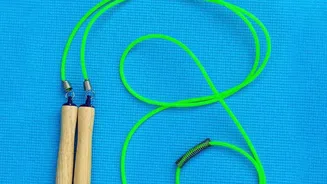
Before you start jumping, the first step is choosing the right rope. For beginners, a slightly heavier rope, often called a beaded or weighted rope, can be beneficial. The extra weight provides more feedback, making it easier to feel the rope's rotation and find your rhythm. To find the correct length, stand on the middle of the rope with both feet. The handles should reach your armpits or the bottom of your sternum. It's better to start with a rope that is slightly too long rather than too short, as you can always adjust it as your form improves. Choose a forgiving surface to jump on, like a wooden floor, a rubber mat, or even grass. Avoid concrete, as it provides no shock absorption.
Mastering the Basic Beginner Jump
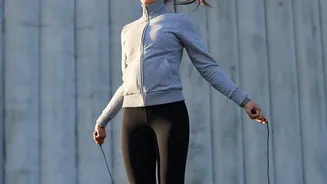
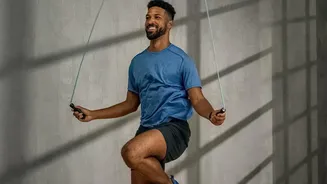
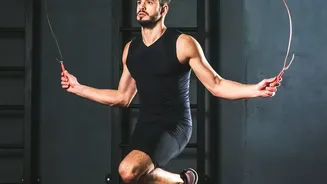
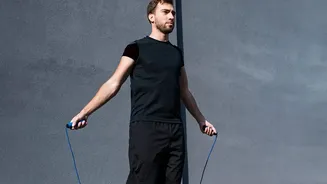
Proper form is crucial to prevent injury and make skipping more effective. Start with your feet together and keep your spine tall with your chest up and eyes looking forward. The movement should come from your wrists, not your arms or shoulders. Keep your elbows tucked in close to your body and make small, controlled circles with your wrists to turn the rope. You only need to jump one or two inches off the ground—just high enough to clear the rope. Land softly on the balls of your feet with a slight bend in your knees to absorb the impact. Start by practicing the motion without the rope, then try to string a few jumps together. Focus on a steady rhythm before trying to increase your speed.
Common Mistakes to Avoid
Many beginners make a few common mistakes that can lead to frustration or injury. The most frequent is jumping too high, which wastes energy and increases impact on your joints. Remember to keep your jumps low. Another common error is using your entire arms to swing the rope. This is inefficient and will tire you out quickly; the power should come from your wrists. Landing flat-footed is also a mistake, as it sends a jolt through your body. Always land on the balls of your feet. Finally, don't hunch over. Keep your posture upright with your shoulders back and chest open to allow for proper breathing and efficient movement. Starting slow and focusing on form will help you build a solid foundation.