



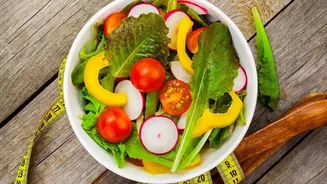
The New Festive Mindset
For generations, festive eating in India has been about abundance and indulgence. But as health consciousness grows, many are rethinking this all-or-nothing approach. The new trend isn't about restriction; it's about mindful participation. The goal is no longer
to avoid beloved dishes but to enjoy them with awareness, making conscious choices that honour both tradition and well-being. This means planning ahead, understanding that the festive period is a season, not a single day, and focusing on balance rather than guilt. People are learning that a few days of feasting won't derail long-term health if they maintain healthy habits the rest of the year. This mindset shift is empowering, allowing for guilt-free enjoyment by integrating small, sustainable changes.
Smart Swaps in the Kitchen
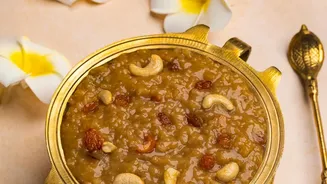
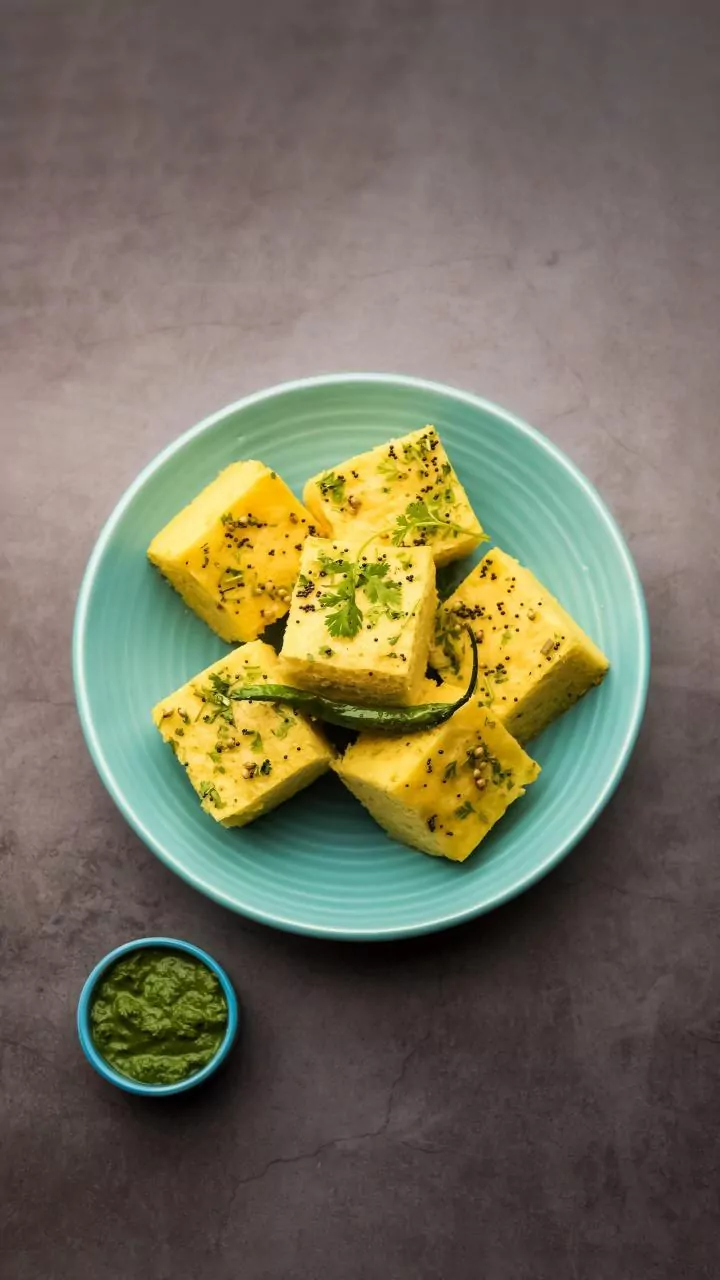
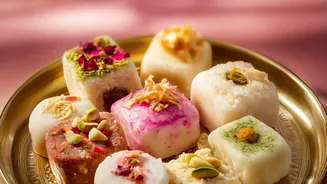
The heart of this new approach begins in the kitchen, where simple ingredient swaps can make a huge difference without sacrificing flavour. Many are now replacing refined sugar with natural sweeteners like jaggery, dates, or honey, which have a lower glycemic index. White flour (maida) is being substituted with nutrient-dense alternatives like millet, oat, or almond flour for making sweets and snacks. Deep-frying, a staple of festive cooking, is giving way to healthier methods like baking, air-frying, or roasting. Even traditional sweets are getting a modern, healthy makeover, with recipes like date-and-nut laddoos, millet kheer, and baked gujiyas becoming increasingly popular. These changes significantly reduce excess oils and sugars, making indulgence lighter and more nutritious.
The Art of Portion Control
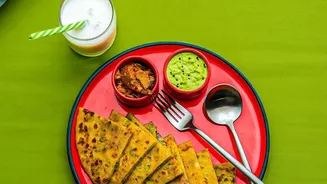
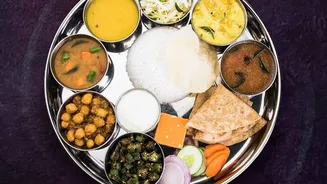
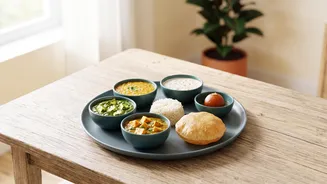
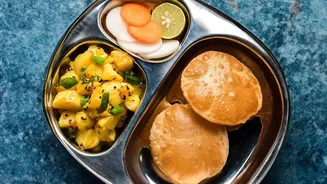
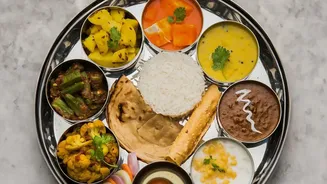
Perhaps the most powerful tool in balancing festive meals is portion control. Instead of forbidding certain foods, the focus is on savouring smaller quantities. A practical strategy is the 'plate method': fill half your plate with vegetables or salad, a quarter with protein like dal or paneer, and the remaining quarter with carbohydrates like rice or roti. Using smaller plates and bowls can also psychologically guide you toward smaller servings. When attending parties, a helpful tip is to have a light, healthy snack like fruit or yoghurt before leaving home. This prevents you from arriving ravenously hungry and overeating. The mantra is moderation, not deprivation, allowing you to taste a variety of dishes without overindulging.
Mindful Eating and Hydration
How you eat is just as important as what you eat. Mindful eating—paying full attention to your food without distractions—is a key practice. Eating slowly and chewing thoroughly gives your brain the time it needs to register fullness, which can take about 15-20 minutes. This simple act helps prevent overeating and improves digestion. Another crucial element is staying hydrated. Often, the body can mistake thirst for hunger. Sipping water throughout the day, and especially before a large meal, can create a sense of fullness and reduce the urge to eat unnecessarily. Opting for water, coconut water, or buttermilk over sugary sodas and mocktails is another easy way to cut down on empty calories during celebrations.
Balancing the Indulgence
Festive periods often span several days or even weeks. A balanced approach involves planning for indulgence. Identifying the main feast days allows you to eat lighter, simpler meals on the days before and after. If you have a particularly heavy dinner, you can balance it by having a light, vegetable-rich lunch the next day, such as a soup or salad. It’s also important not to skip meals to “save” calories for a big event, as this often backfires and leads to overeating and bloating. Maintaining a regular meal schedule helps keep hunger levels stable. And don't forget to stay active; even a short walk after a heavy meal can aid digestion and help manage blood sugar levels.