




The Problem with Prolonged Sitting
Our bodies are designed for movement, but modern work often demands the opposite. When you sit for hours, your body adapts in ways that can cause discomfort. Your hip flexors, the muscles at the front of your hips, are held in a shortened position. Over
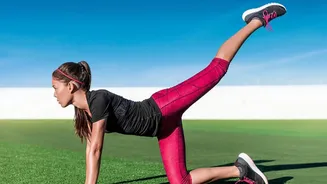
time, this can lead to them becoming chronically tight. Meanwhile, your glute muscles—which are meant to be powerful supporters of your posture—can effectively 'go to sleep' from inactivity. This combination forces your lower back to compensate and bear extra strain, leading to that all-too-familiar ache and stiffness. It's less about a single bad posture and more about the simple lack of movement.
What Are Micro Movements?
Micro movements are small, gentle, and intentional physical actions you can do throughout the day, often right at your desk. Think of them as 'movement snacks' rather than a full workout. They are not about breaking a sweat or needing gym clothes; they are 10-to-60-second resets designed to interrupt long periods of stillness. These small actions, from ankle circles to shifting your weight, prevent your muscles and joints from getting 'stuck' in one position. The key is frequency. Taking these tiny breaks consistently is more impactful for combating sedentary stiffness than a single, intense workout after a day of sitting still.
The Science of Small Relief
The magic of micro movements lies in their ability to generate significant physiological benefits from minimal effort. When you move, even slightly, you stimulate blood circulation, which delivers fresh oxygen and nutrients to your muscle tissues and helps reduce tension. Movement also helps lubricate your joints by circulating synovial fluid, preventing that stiff, creaky feeling. Furthermore, these small actions serve as a 'pattern interrupt' for your body. They gently remind your 'sleeping' glute muscles to wake up and re-engage, taking pressure off your lower back. By regularly changing your position, you redistribute pressure across your hips and spine, ensuring no single area is overloaded for too long.
Easy Micro Movements for Hips
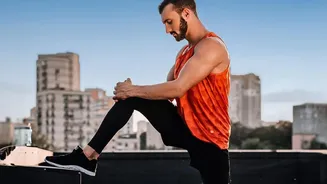
You don't need special equipment or a lot of space to start relieving hip tightness. One of the easiest moves is a seated figure-four stretch: while sitting, cross one ankle over the opposite knee and gently lean forward until you feel a stretch in your hip and glute. Hold for 20-30 seconds on each side. Another simple move is seated hip circles. Sit tall and lift one knee slightly, then gently rotate your thigh bone in small circles, first one way, then the other. This helps lubricate the hip joint. Finally, simply standing up, squeezing your glutes, and gently pushing your hips forward for a few seconds provides a much-needed stretch for tight hip flexors.
Quick Fixes for the Lower Back
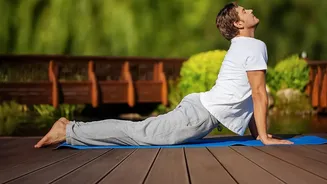
To target lower back stiffness, try a seated cat-cow. Sit at the edge of your chair with your hands on your knees. As you inhale, arch your back and look up, opening your chest (cow). As you exhale, round your spine and tuck your chin to your chest (cat). Repeating this 5-10 times mobilises the spine. Seated spinal twists are also excellent. Sit tall, and gently twist your upper body to one side, using the chair for light leverage. Hold for a few breaths, then repeat on the other side. Even a simple pelvic tilt can offer relief. While seated, gently rock your pelvis forward and backward, feeling the subtle movement in your lower spine.
Building a Movement Habit
Knowing the moves is one thing; remembering to do them is another. The most effective way to build a habit is to link it to an existing one. For example, do a few hip circles every time you finish a call or send an email. Setting a simple hourly timer on your phone or watch is also a powerful reminder to stand up, stretch, or do a quick desk exercise. Don't aim for perfection. The goal isn't a rigid routine but simply to move more often. Start with just one or two movements that feel good and aim to do them a few times a day. Over time, these small actions accumulate, contributing to long-term joint health and comfort.